The power's out — what to do, and what actually keeps you running
The lights just died. Before you do anything else, protect the two things that matter most — your food and your phone — then decide whether to wait it out or power up. Here's the order that keeps a short outage from becoming a bad night.
By Lee · Researched & cited · Updated Oct 2026
Before you buy anything
- 1
Keep the fridge and freezer shut
A closed refrigerator holds food safe for about 4 hours; a full freezer holds ~48 hours (half-full, ~24). Every opening lets the cold out. Decide what you need, grab it fast, and keep the doors closed until power is back.
- 2
Save your phone — it's your lifeline
Drop it to battery-saver / low-power mode, close background apps, and dim the screen. Unplug anything you don't need. Your phone is how you'll check the outage map, get restoration estimates, and call for help, so treat its battery as the scarce resource it is.
- 3
Find out how long it'll last
Check your utility's outage map or text line (most have one). A quick flicker from a passing storm is very different from a downed-line outage with a multi-hour estimate. Knowing which one you're in tells you whether to simply wait it out or start powering essentials.
- 4
For anything past a couple hours, power the essentials
Once it's clear the outage is real, a LiFePO4 power station quietly runs the fridge, a CPAP, phones, a router, and lights — indoors, with no fumes, unlike a gas generator. Size it by watt-hours (how long) and continuous watts (what it can run at once), not the headline number on the box.
The one thing that solves it today
The fix for a real outage: a portable power station. Big enough to cycle a full-size fridge for 12+ hours and keep phones, a router, a CPAP, and lights going — silent, fumeless, and safe to run inside (a gas generator is not). Keep it charged and it's ready the moment the grid isn't.
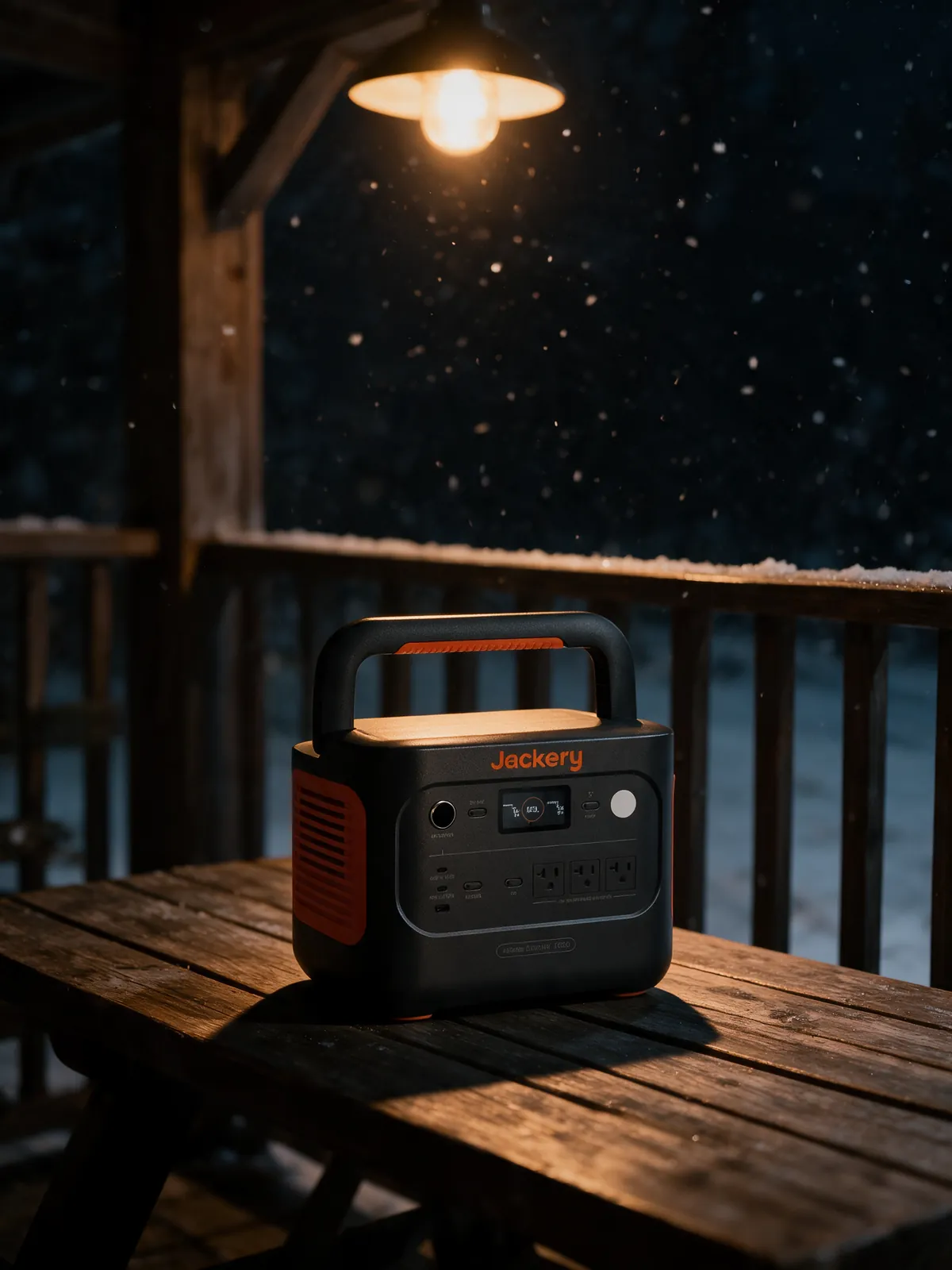
Jackery Explorer 1000 v2 Portable Power Station
The definitive road-trip/outage hero: 1kWh+, a real 1500W AC inverter that runs most car-camp gear, ~1-hour recharge, and Jackery is the brand people actually search. LiFePO4 rated for 4,000 cycles.

BLUETTI AC180 Portable Power Station
More capacity and a stouter 1800W (2700W peak) inverter than most 1kWh rivals, plus a wireless charging pad and 20ms UPS switchover. 0-80% in 45 minutes is class-leading.
Never get caught here twice
Outages don't warn you, so the whole game is being charged and sized right before one hits. Keep a power station topped up (most hold a charge for months), size it to your real must-run loads — fridge, medical devices, phones — and you turn every future blackout into a non-event.
BLUETTI AC180 Portable Power Station
More capacity and a stouter 1800W (2700W peak) inverter than most 1kWh rivals, plus a wireless charging pad and 20ms UPS switchover. 0-80% in 45 minutes is class-leading.
What else to have when the power goes out
A power station covers the fridge and the big loads. These cover the rest: heat that needs no outlet, a charged phone, light for both hands, and warmth that needs no power at all. If a station is more than you need, the two smaller ones at the end run the small things.
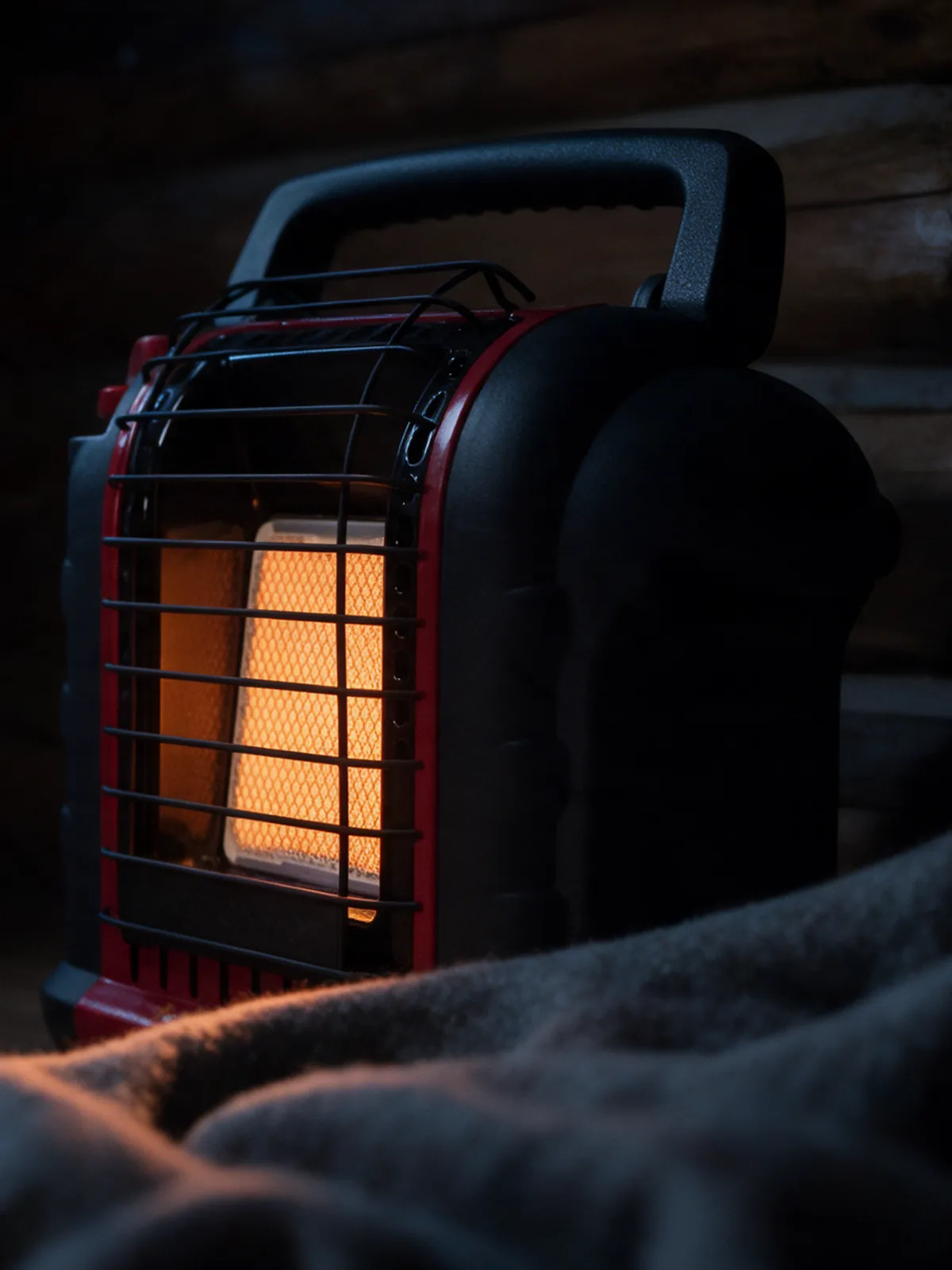
Mr. Heater Portable Buddy
Propane heat with no outlet. Mr. Heater's page lists 4,000 or 9,000 BTU an hour, an oxygen depletion sensor and a tip-over shut-off. It burns fuel, so read the manual on ventilation and run a carbon monoxide alarm.

Anker Prime Power Bank (27,650mAh, 250W)
Your phone is how you check the outage map. This 27,650mAh pack has two USB-C ports and one USB-A, 250W in all, so a phone and a laptop charge at the same time.

NEBO OMNI 2K Rechargeable Work Light
Light that leaves both hands free: two rotating panels, up to 2,000 lumens, magnetic handles and USB-C charging.

Swiss Safe Emergency Mylar Thermal Blanket (4-Pack)
Four foil Mylar blankets that reflect your body heat back at you. They fold flat and cost little, a backup for your real blankets if the house goes cold overnight.

Anker SOLIX C300 Portable Power Station
For phones, a router and lights, not the fridge: 288Wh and 300W of AC in a grab-and-go size.

EcoFlow RIVER 2 Pro Portable Power Station
A middle size: 768Wh and 800W of AC, and it recharges from empty to full in about 70 minutes, so it is ready again between outages.
Questions people ask
How long will food last in the fridge during an outage?
About 4 hours in a refrigerator if you keep the door closed, and roughly 48 hours in a full freezer (24 hours if half-full). Keep the doors closed; every opening lets cold out. Above 40°F for more than 2 hours, perishable food should be tossed.
What size power station do I need to run a refrigerator?
A full-size fridge draws ~100–200W while running but spikes higher at startup, so you want a station with at least ~1000Wh of capacity and a pure sine-wave inverter rated ~1000W+ continuous. That runs a fridge (which cycles on and off) for roughly 12–18 hours while also charging phones and lights.
Can I run a power station indoors?
Yes — that's the main advantage over a gas generator. Battery power stations produce no exhaust and are safe to run inside, which is exactly what you want during an outage. Never run a fuel generator indoors or in a garage.
How is a power station different from a generator?
A power station is a big battery with AC outlets — silent, fumeless, indoor-safe, and instant, but limited by its stored watt-hours. A generator makes power continuously from fuel but is loud, produces deadly exhaust, and must run outside. For most home outages, a LiFePO4 power station sized to your essentials is the simpler, safer answer.