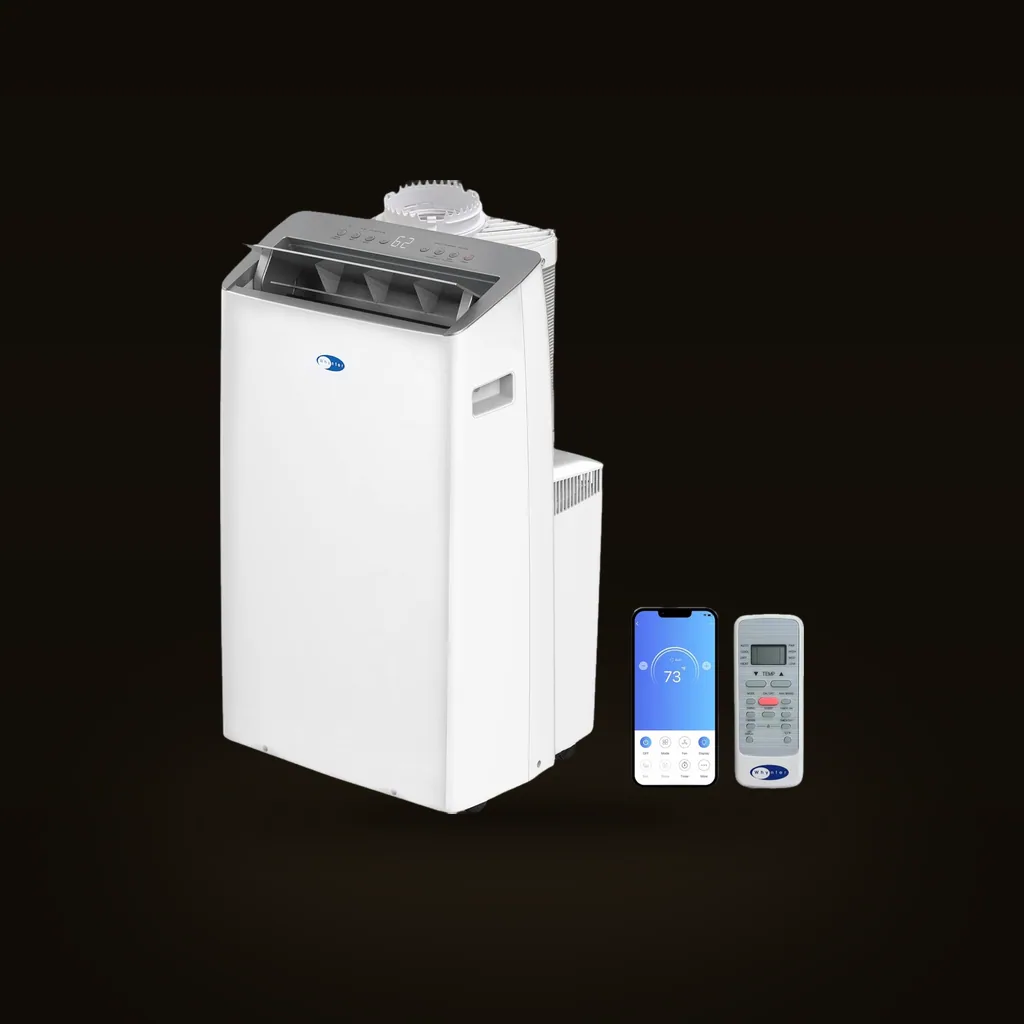
Best for large rooms
Whynter NEX ARC-1230WN 14,000 BTU Inverter Dual-Hose Portable AC
12,000BTUReal cooling (SACC)
600sq ftReal coverage
Real cooling (SACC)12,000 BTULeads
$600–$700Check price on Amazon
The BTU on the box is a lie. What actually cools your room is the SACC number — often half the headline. Here's every unit compared by the honest spec, side by side.

Ignore the giant “14,000 BTU” on the box and compare units by SACC — the DOE's honest, tested cooling number. For a real medium-to-large room, a dual-hose inverter like the Midea Duo (12,000 SACC) cools fastest for the watts. Want the quietest bedroom unit? The LG dual-inverter. Tight budget or a small room? A single-hose unit is fine — just size down your expectations, not just your wallet.
Sort by top pick, most cooling, or quietest — the winner rises to the top. Every number is real, and each pick links straight to its exact Amazon page.
The buttons below are Amazon affiliate links. As an Amazon Associate, BlackBox Supplies earns from qualifying purchases — at no extra cost to you, and it never changes which product wins. Full disclosure.
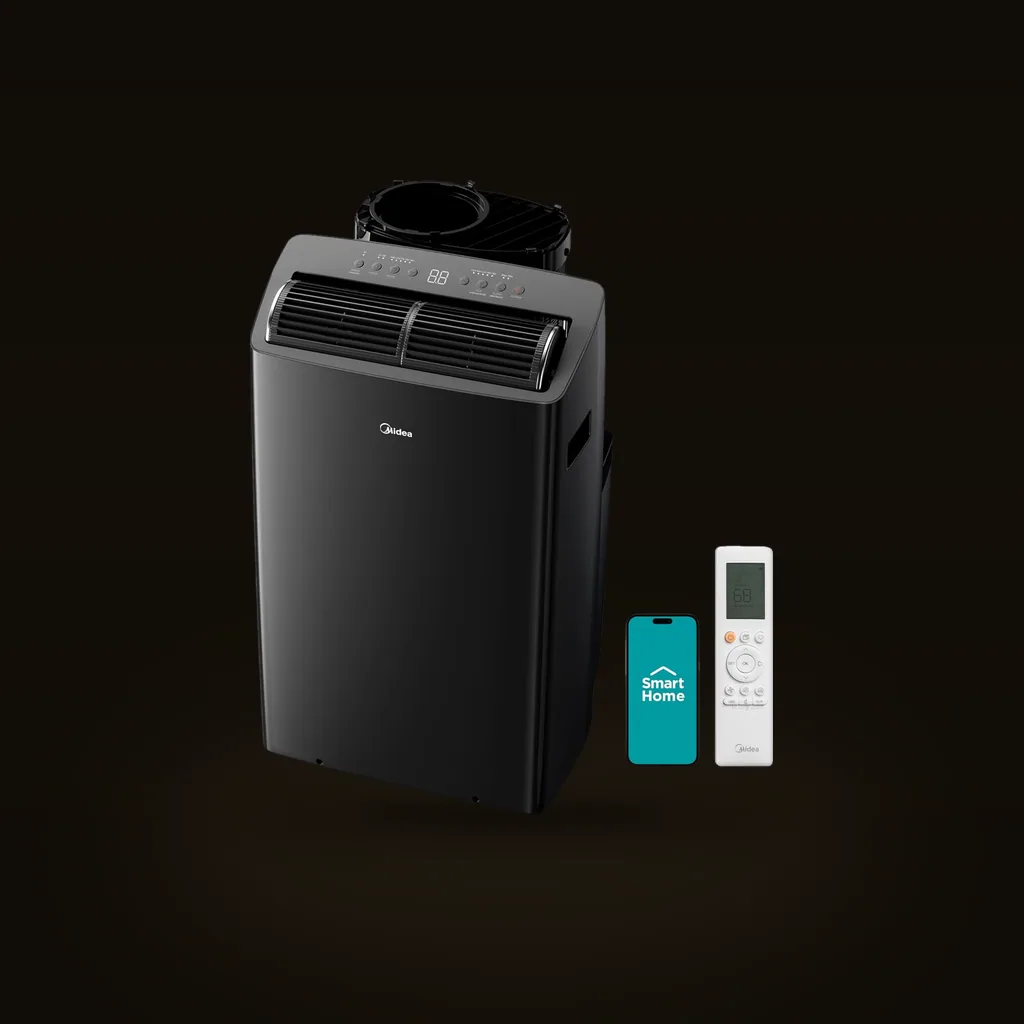
A hot medium/large room where real cooling speed and efficiency matter most.
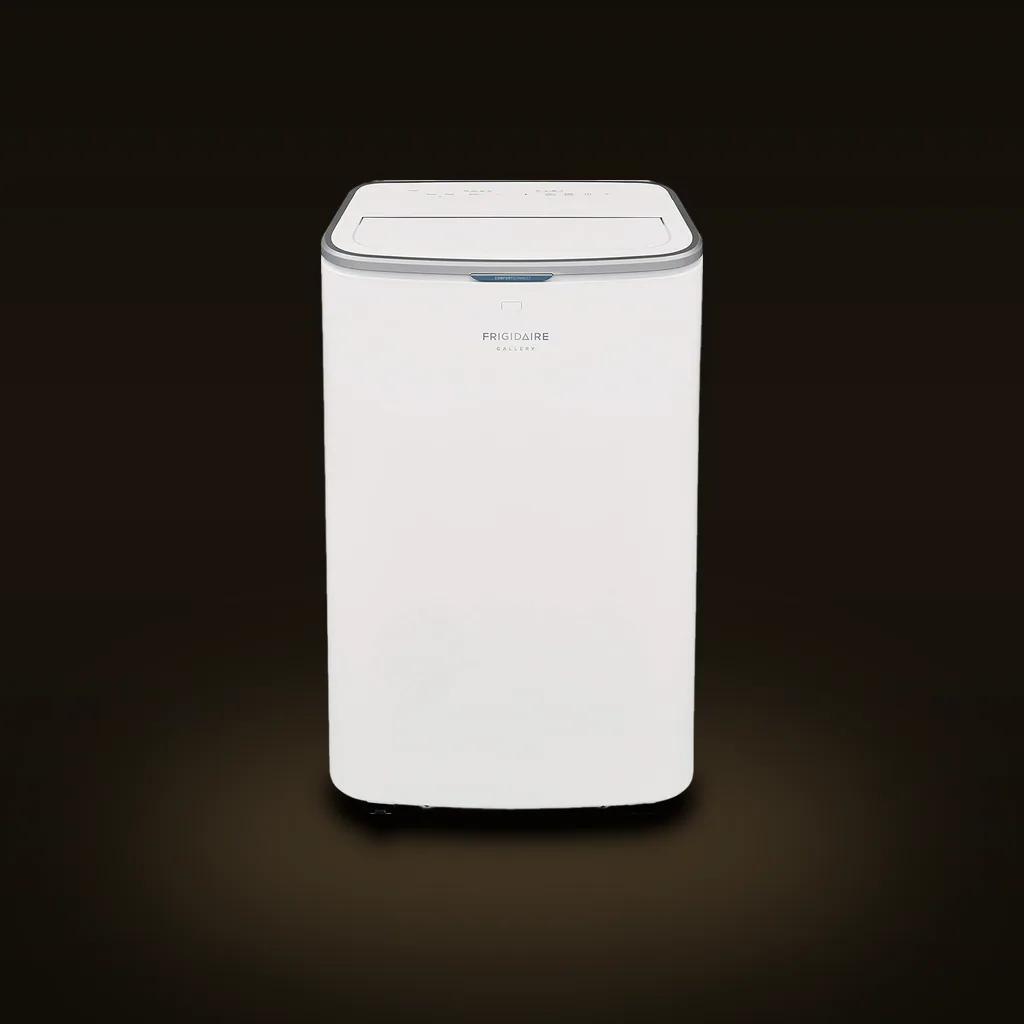
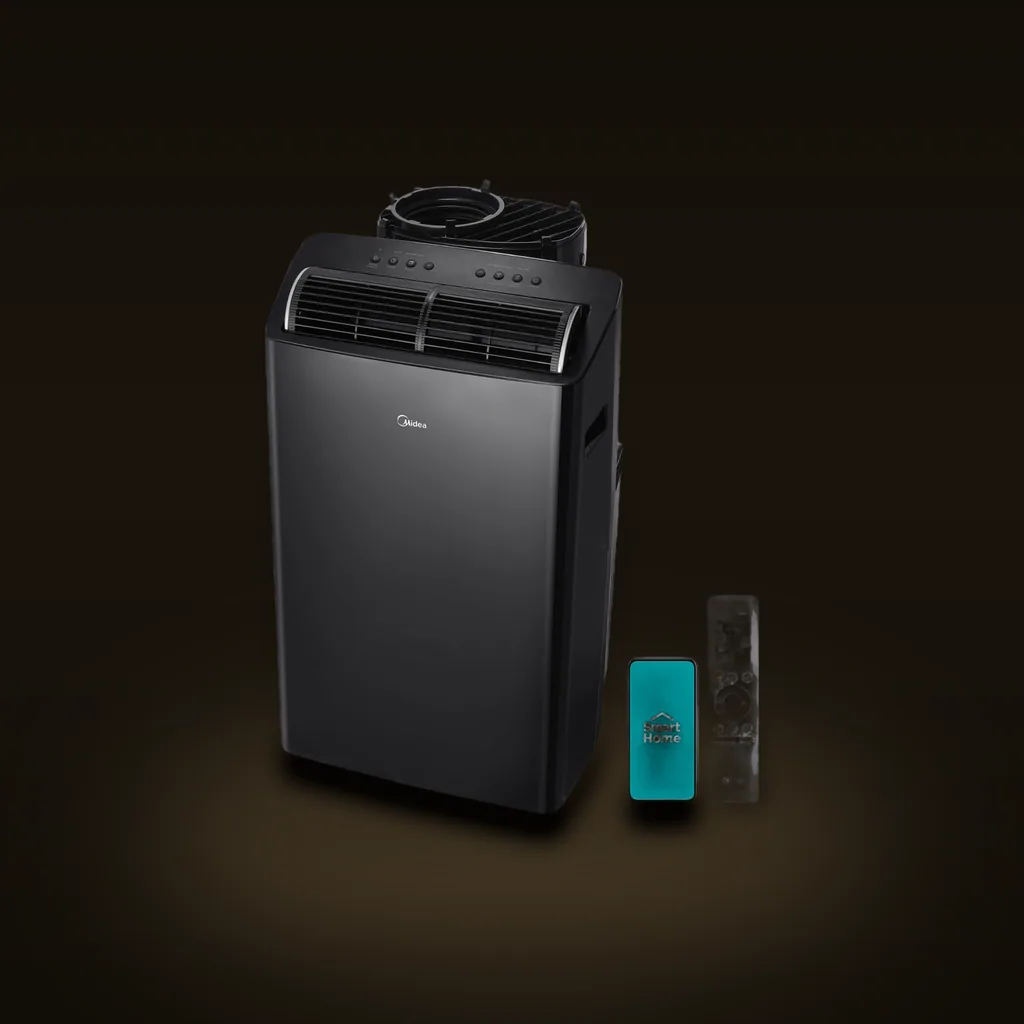
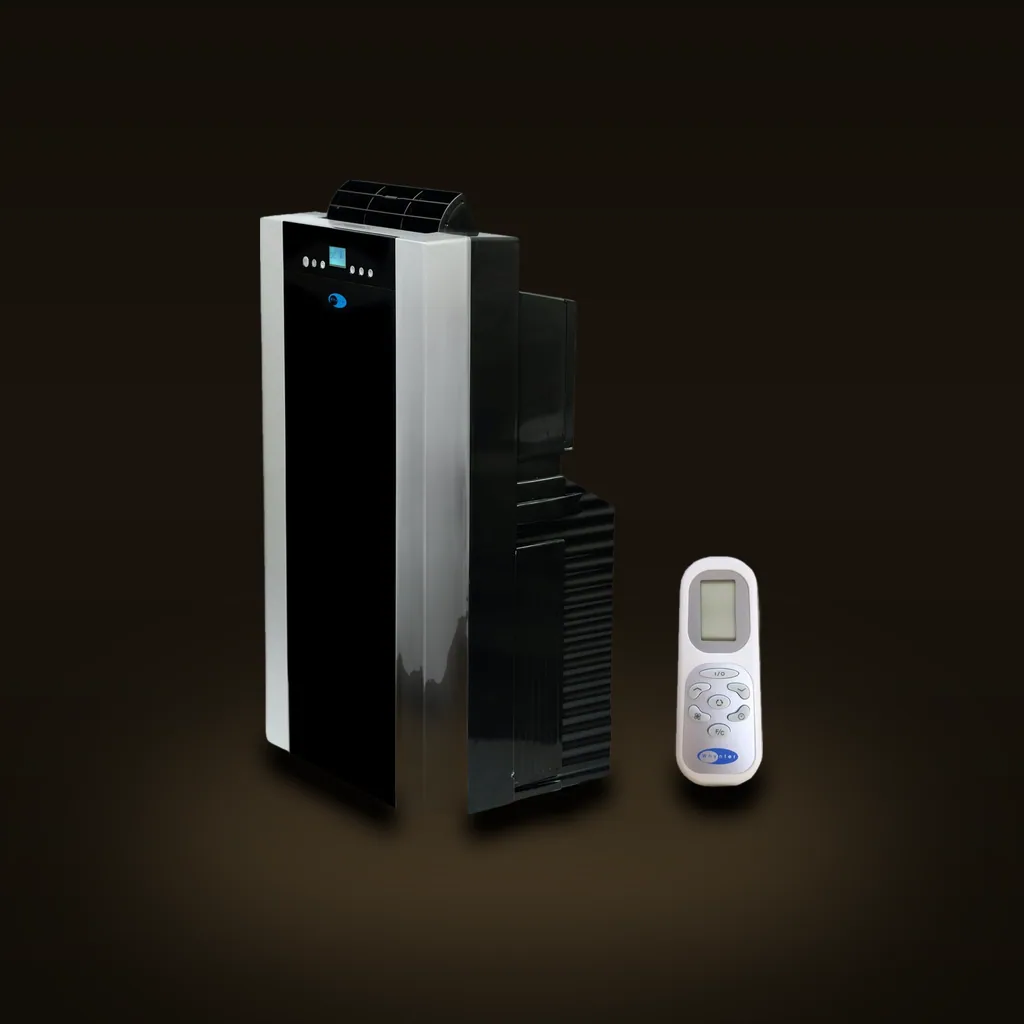
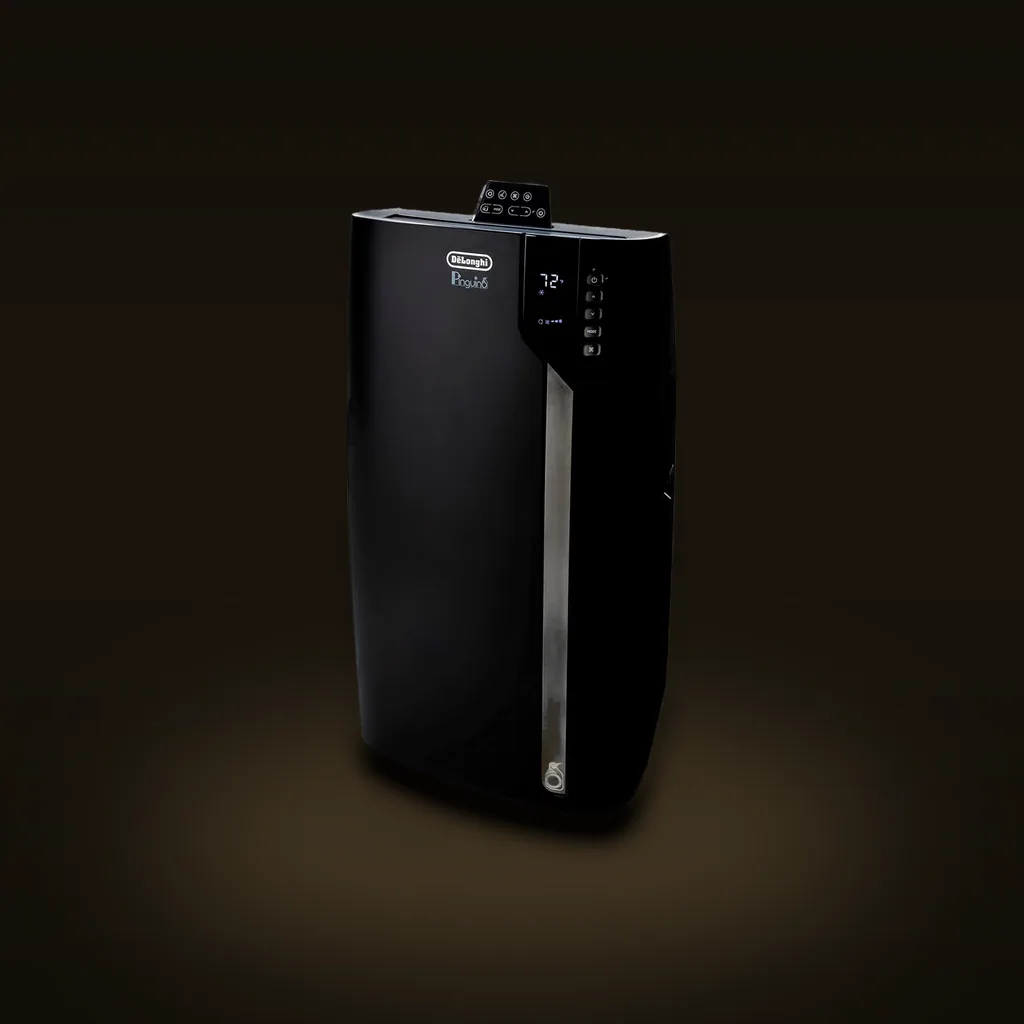
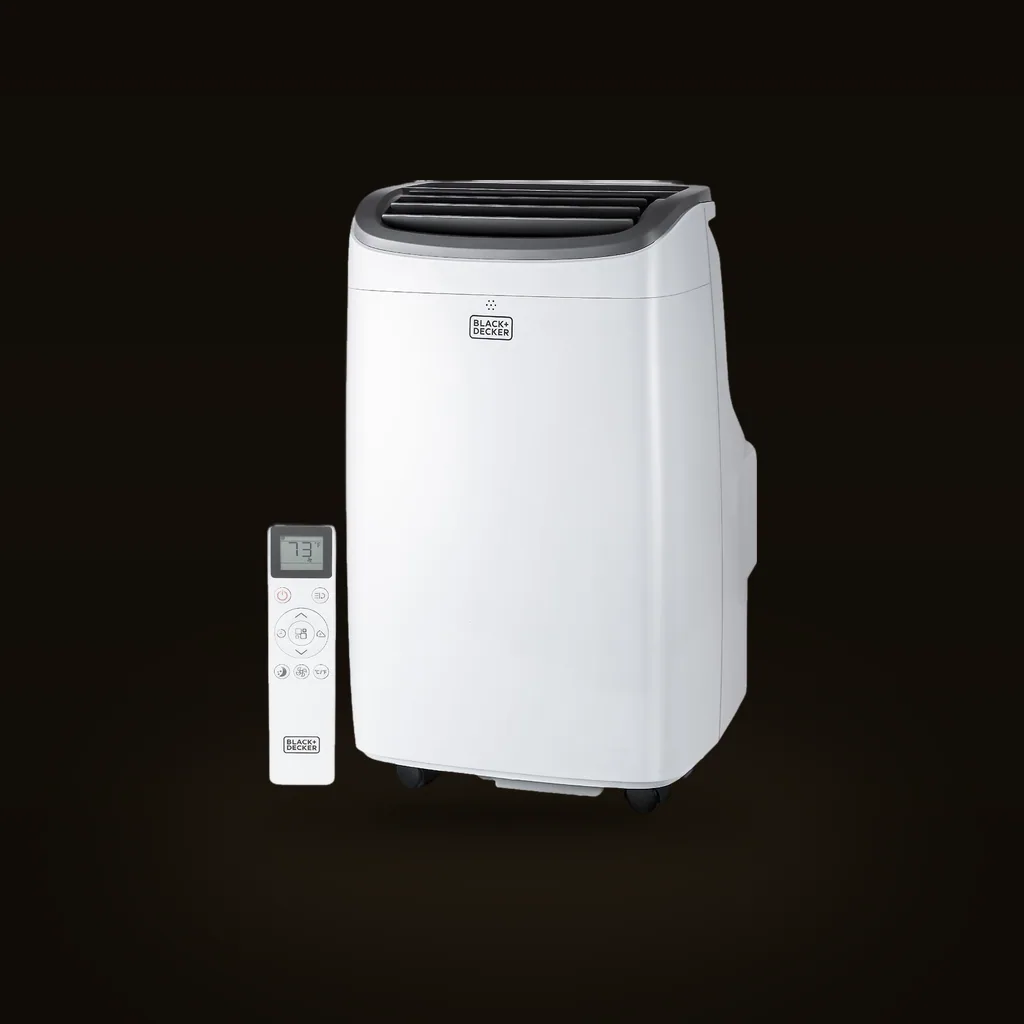
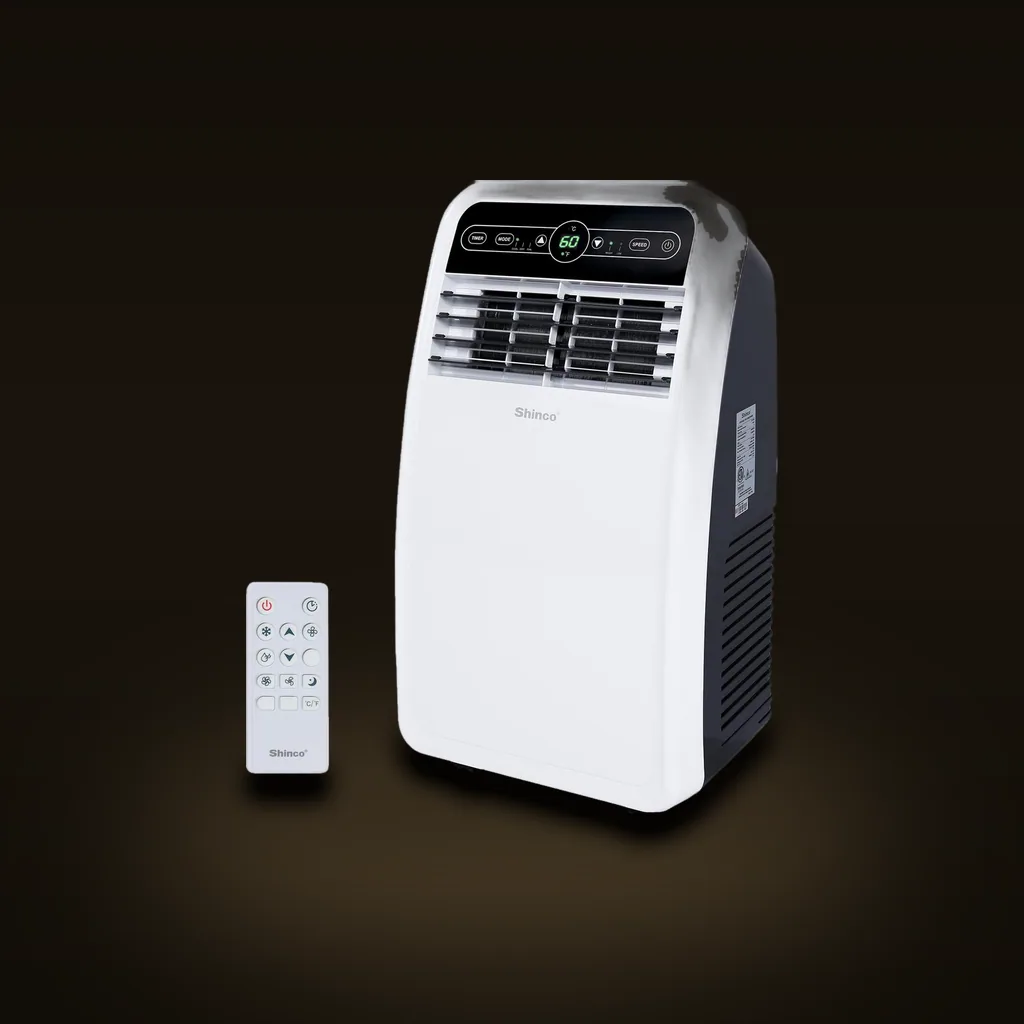
Ranked from manufacturer specs, standardized test ratings where they exist, and independent reviews. A “~” marks an estimated or unpublished figure — we never invent one. As an Amazon Associate, BlackBox earns from qualifying purchases, at no extra cost to you.
Even the Midea Duo MAP14S1TBL 14,000 BTU Inverter Dual-Hose Portable ACisn’t perfect. Here’s what we know before you buy — and we still ranked it #1 anyway.
When we’re the wrong tool for the job, we’d rather you knew now.
Every category has one or two specs that decide whether you’re happy in a year — and a louder number the box leads with that barely predicts anything. Here’s how to read past the headline.
Real models we looked at and left off — and the single honest reason each one lost. No strawmen: if it’s here, it’s a unit people actually cross-shop.
The “14,000 BTU” box hides an ~8,500 SACC single-hose, non-inverter unit with no Wi-Fi — it delivers less real cooling than our single-hose picks and lags every dual-hose inverter here on efficiency and noise.
A smart Wi-Fi unit, but it's single-hose with a weak ~6.8 EER, so it draws noticeably more power per BTU than the inverter picks — the app doesn't offset the efficiency gap.
Cheap and genuinely easy to install, but independent testing clocked it the loudest unit in its class (57–61 dB on high) with among the lowest efficiency (~7.8 CEER) — a false economy once a real heatwave hits.
A well-liked, quiet dual-hose unit — but only ~7,000 SACC (good for ~400 sq ft). Its own inverter sibling, the NEX ARC-1230WN we picked, out-cools and out-efficiencies it for the money.
Only a ~7,500 BTU-class unit, and owners widely report frequent draining and condenser/airflow warnings in humid heat — too small and too fussy to trust as a main-room pick.
A qualitative synthesis of patterns that recur across verified-buyer reviews — not our own lab testing, and no invented numbers. Just what owners consistently praise, and the long-term gripes worth knowing before you buy.
Owners of the Midea Duo, Whynter NEX and ARC-14S consistently report these cool a full room fast where single-hose units stall, and the inverter models draw noticeably less power doing it.
Inverter owners (Midea, LG, Frigidaire) repeatedly single out how the modulating compressor fades into the background on sleep mode instead of the jarring hard on/off cycling of older non-inverter units.
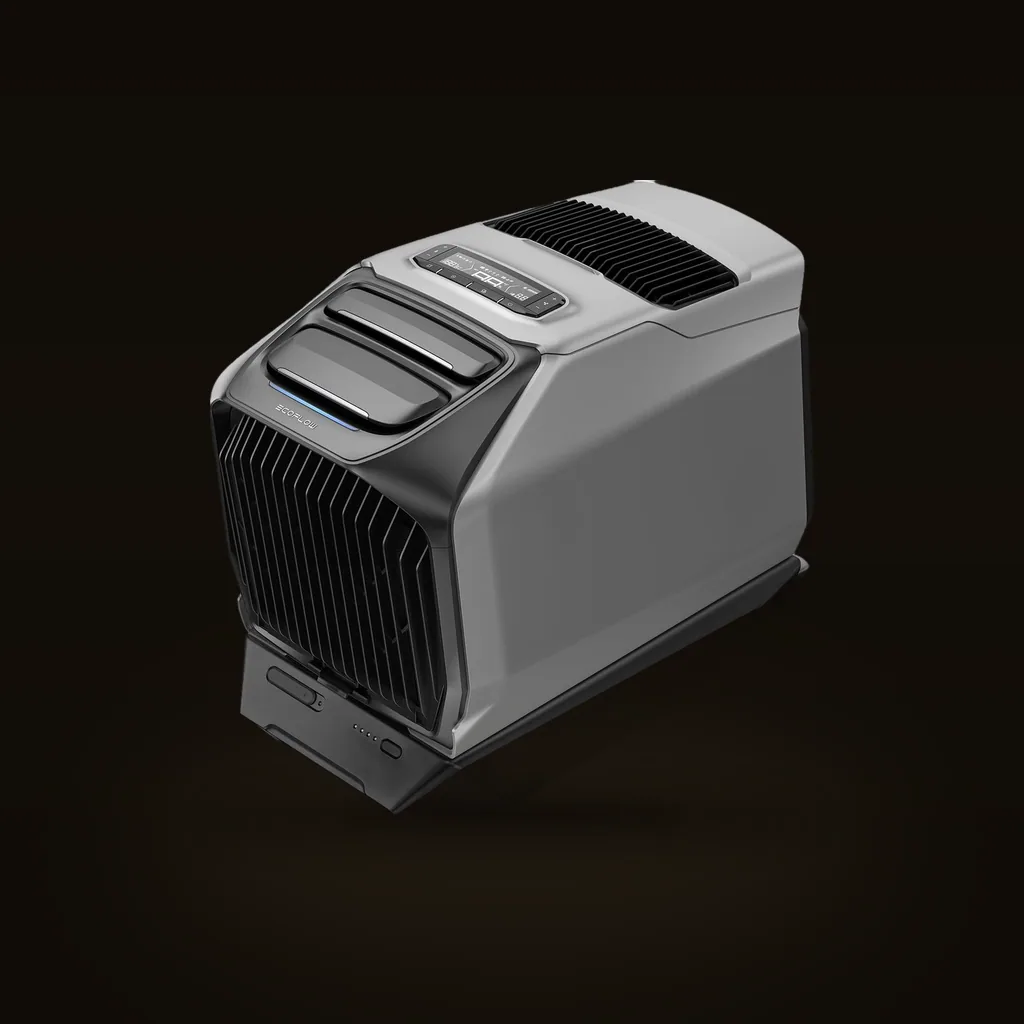
EcoFlow WAVE 3 owners camping, vanlifing and in RVs consistently value being able to cool a small enclosed space with no window and no wall outlet — a use case nothing else here covers, even as they note the cost.
Across brands the most common repeat complaint is water: self-evaporating systems that overwhelm in humidity and awkward drain placement, with some owners reporting leaks or floor/drywall damage when a full tank isn't emptied in time.
A persistent theme is units feeling undersized for the square footage on the label; owners in hot, humid climates describe cooling as merely tolerable, and EcoFlow owners note real battery runtime lands well under the advertised hours.
Owners routinely call out fragile plastic window-kit tabs and clips that rattle or seal poorly, and note that the 70–85 lb room units are a genuine chore to carry between floors.
Buy on SACC, not the ASHRAE headline. Roughly, you want about 20 SACC BTU per square foot — so a genuinely 400 sq ft room needs ~8,000 SACC, not the “12,000 BTU” a box promises. Then decide single- vs dual-hose: dual-hose cools a full room faster and more efficiently, single-hose is cheaper and simpler for small spaces. Everything else — smart app, heat mode, looks — is a tiebreaker.
The huge number on the box is the old ASHRAE rating. SACC (Seasonally Adjusted Cooling Capacity) is the DOE's tested, real-world figure and it's often 30–50% lower. A “14,000 BTU” unit can be 8,000 SACC. Compare units by SACC or you're comparing marketing to marketing.
Single-hose units create negative pressure — they push conditioned air out and pull warm, unconditioned air back into the room, which caps how cold they get. Dual-hose units draw outside air for cooling the compressor, so they cool faster and more efficiently. For a big or hot room, pay for dual-hose.
About 20 SACC BTU per sq ft is the rule of thumb; add margin for sun, top floors, and kitchens. Undersizing is the #1 regret — a unit that runs flat-out and never catches up in a heatwave. It's better to be slightly over than under.
Every portable AC gets loud on high — the compressor and fan are in the room with you. The dB figures here are the quietest published (low/sleep) setting. If it's for a bedroom, weight the inverter units: they modulate instead of slamming on and off all night.
Cooling power, quiet, efficiency, and price all pull against each other. Dual-hose inverters (Midea Duo, Whynter NEX) cool hard and sip power but cost the most and weigh the most. Single-hose units (LG, Frigidaire, budget picks) are cheaper, lighter on features, and fine for smaller rooms — you're trading peak cooling for price. The battery-capable EcoFlow is a different animal entirely: a spot-cooler for tents and vans, not a room unit. Match the machine to the room, not to the biggest number.
The big “BTU” on the box is the older ASHRAE rating, measured under generous lab conditions. SACC (Seasonally Adjusted Cooling Capacity) is the DOE's newer, real-world test, and it's usually 30–50% lower. A “14,000 BTU” unit is often around 8,000 SACC. Always compare units by SACC — it's the number that predicts whether the room actually gets cold.
Aggregated from real verified-buyer reviews and long-term owner reports — not our own hands-on test. Basis: several hundred Best Buy verified reviews plus a ~77-review Reddit owner analysis at ~81% positive — a genuinely mixed record.
Many owners get 2–3 years of trouble-free cooling, but it's inconsistent: a meaningful minority hit build-quality failures early (broken tabs, first-week duds) or lose cooling around ~1.5 years, and warranty support is a common frustration.
How every recommendation is built. We research, compare, and cite — we don’t take payment for placement, and we don’t claim to personally lab-test.
Lee· Founder & Editor
BlackBox Supplies is founded, researched, and written by Lee, its founder. The focus is deliberately narrow — the gear that matters the moment something goes wrong: a dead battery at 6am, a blackout, a heatwave with no AC, a breakdown on a dark shoulder. Every pick is cross-checked against manufacturer specs, published independent test data, and original analysis of hundreds of long-term verified-buyer reviews — an honest, research-based standard, not a paid lab, and never a hands-on test the site didn't do.
Every number above traces back to a real, reachable page — check any of them yourself.
Picks change and we get things wrong. When we do, we date the change here — nothing gets quietly rewritten, and a date never moves without a reason.
Outbound links are Amazon affiliate links: as an Amazon Associate, BlackBox Supplies earns from qualifying purchases, at no extra cost to you. Full disclosure.
The car, power, cooling, and work-utility gear worth owning — with the honest catch on each. One genuinely useful email a week. No spam, no fake reviews, unsubscribe anytime.