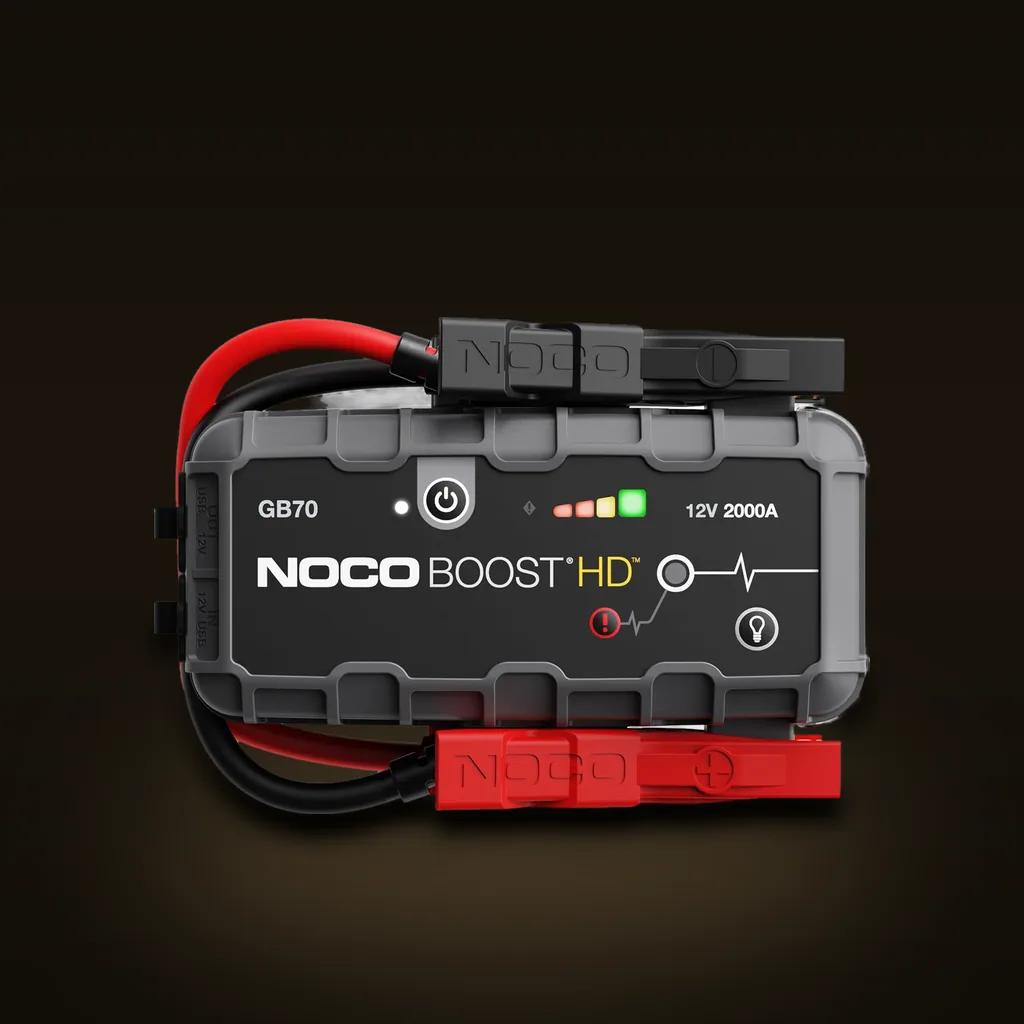
Best heavy-duty
NOCO Boost HD GB70 2000A UltraSafe Lithium Jump Starter
2,000APeak amps
8LMax gas engine
Max gas engine8 L
$150–$180Check price on Amazon
Peak-amp numbers are marketing — what actually starts your car is whether the unit is rated for your engine. Here's every pick compared by the specs that decide it: engine size, cranking power, and what else it does.

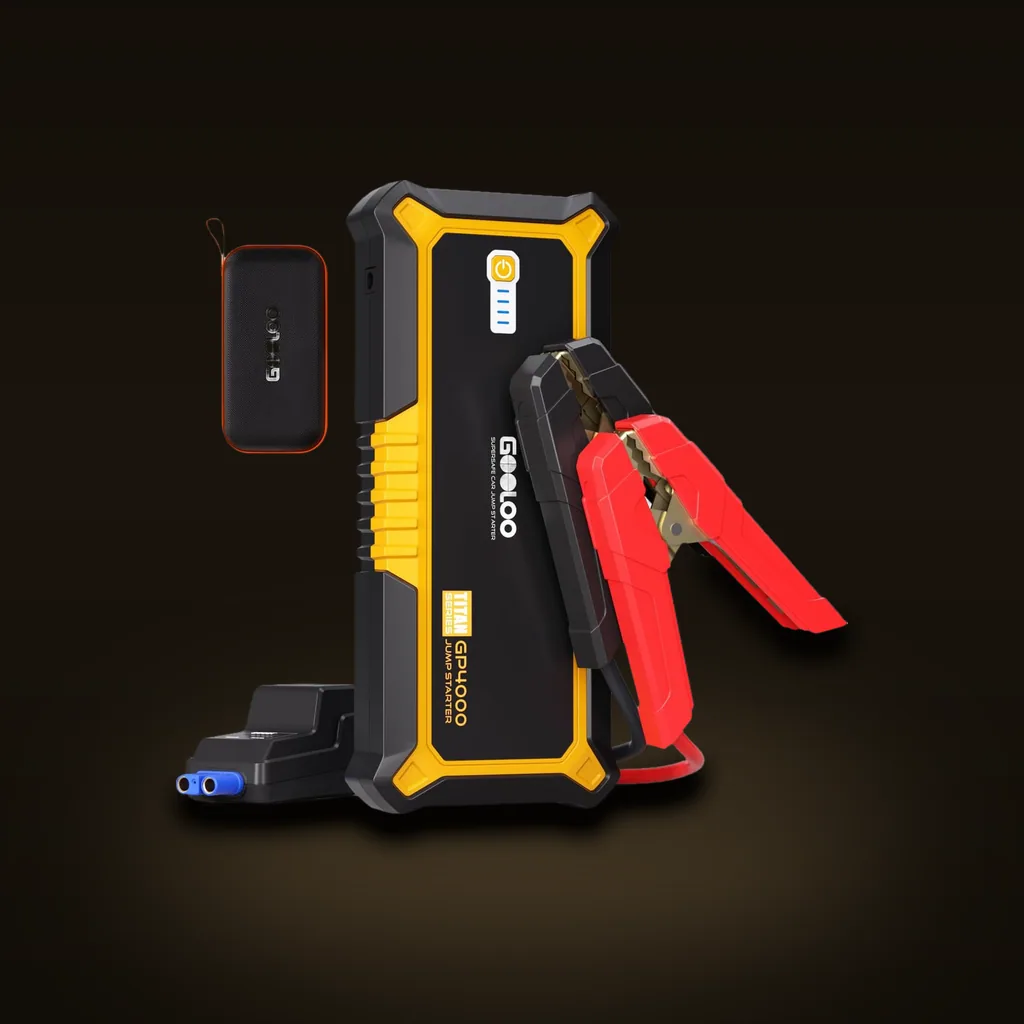
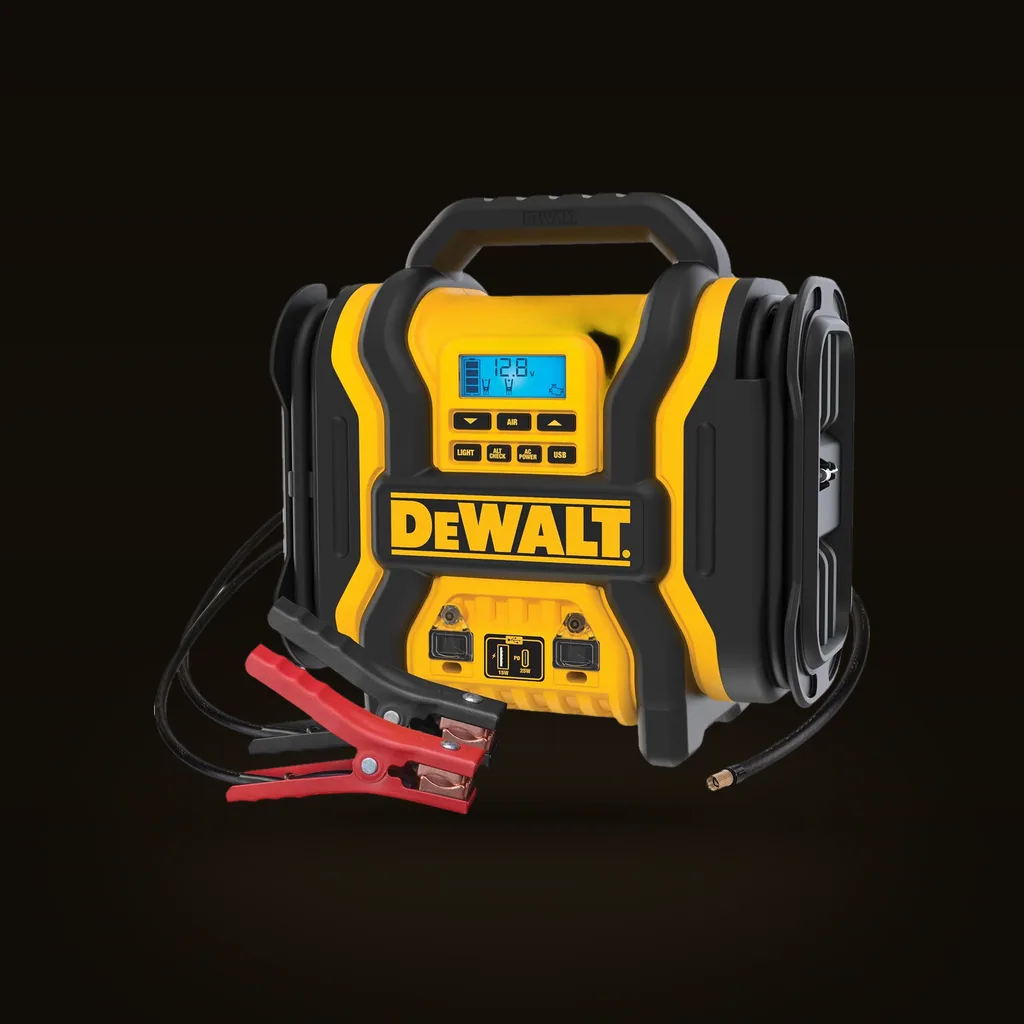
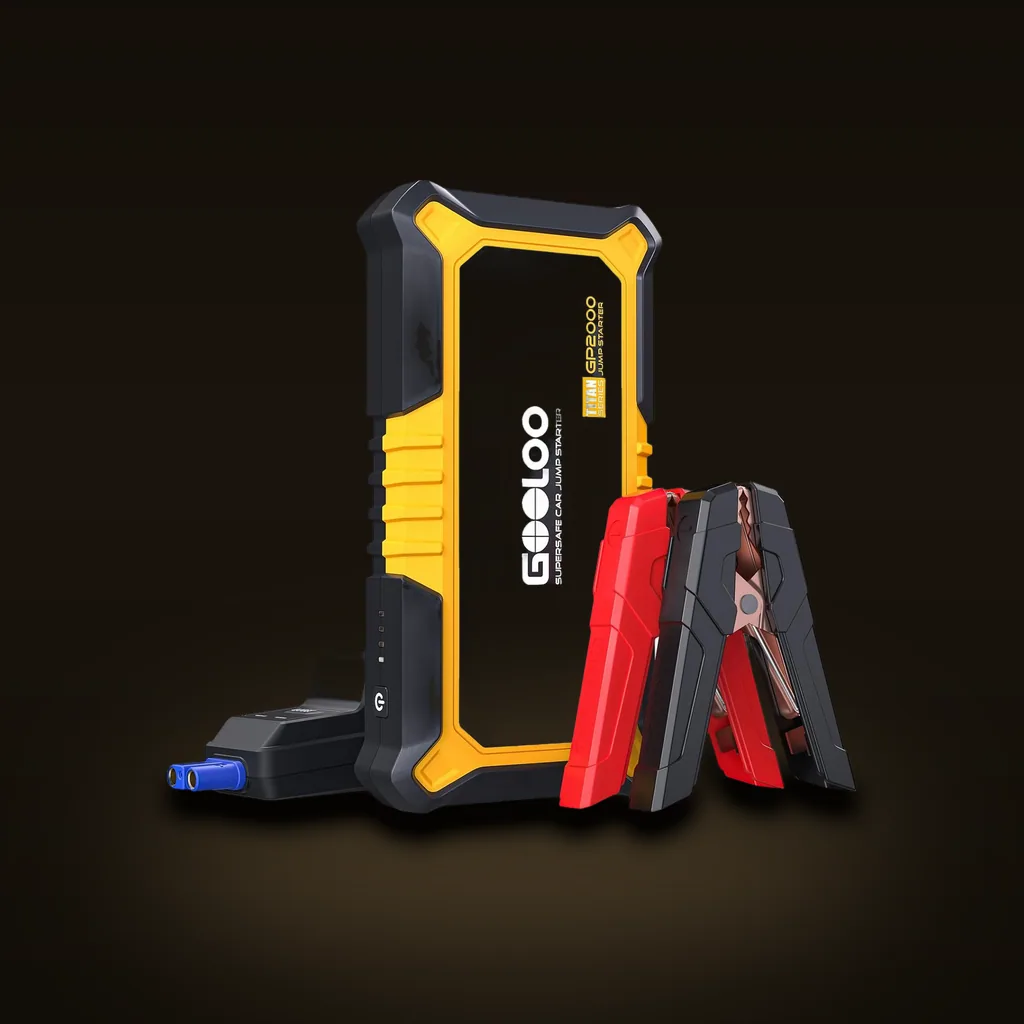
Ignore the giant peak-amp number on the box and match the unit to your engine. For a typical car or small SUV, the NOCO Boost GB40 (rated to 6.0L gas / 3.0L diesel) is the safe, proven default. Bigger truck or diesel? Step up to the NOCO GB70 or a 4000A GOOLOO. Want the cheapest capable booster? The GOOLOO GP2000 does 2000A for under $80. Want a unit that also inflates tires and runs AC power? The DeWalt DXAEPS14.
Sort by top pick, most cranking power, or biggest engine — the winner rises to the top. Every number is real, and each pick links straight to its exact Amazon page.
The buttons below are Amazon affiliate links. As an Amazon Associate, BlackBox Supplies earns from qualifying purchases — at no extra cost to you, and it never changes which product wins. Full disclosure.
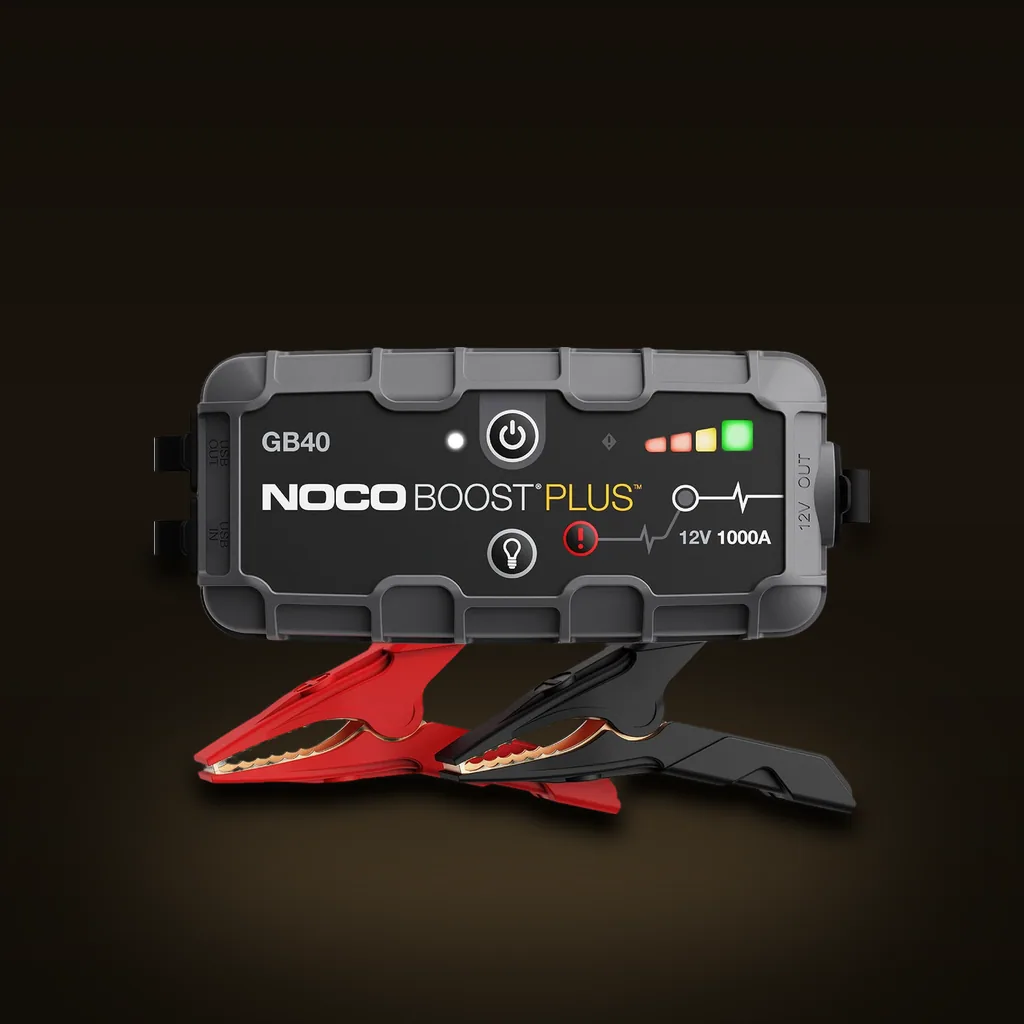
Any commuter, new driver, or owner of a typical sedan or small SUV who wants the safe, proven default.
Ranked from manufacturer specs, standardized test ratings where they exist, and independent reviews. A “~” marks an estimated or unpublished figure — we never invent one. As an Amazon Associate, BlackBox earns from qualifying purchases, at no extra cost to you.
Even the NOCO Boost GB40 1000A UltraSafe Lithium Jump Starterisn’t perfect. Here’s what we know before you buy — and we still ranked it #1 anyway.
When we’re the wrong tool for the job, we’d rather you knew now.
Every category has one or two specs that decide whether you’re happy in a year — and a louder number the box leads with that barely predicts anything. Here’s how to read past the headline.
Real models we looked at and left off — and the single honest reason each one lost. No strawmen: if it’s here, it’s a unit people actually cross-shop.
The GB40's little brother is rated only to 4.0L gas and isn't recommended for diesel at all — it steps below the coverage most cars actually need, so the GB40 is the smaller unit worth buying.
Genuinely capable — 10.0L gas / 8.0L diesel — but it lists around $370, more than double the GB70, so you pay a steep premium for cranking headroom the vast majority of drivers will never use.
The poster child for inflated peak-amp marketing: the 6000A headline dwarfs everything here, but reviewers flag clamp and build quality below NOCO's and real-world failures on badly degraded, very-low-CCA batteries — the big number doesn't guarantee the start.
A proven pro-shop lead-acid booster, but it weighs ~18 lb, has no USB or power-bank function, and must be kept on its charger — a bench tool for a garage, not a glovebox unit for a driver.
Marketed as an all-in-one with an AC outlet, but it's only a ~500A booster and the pack heats up if you crank more than about three times — closer to an emergency power bank than a serious jump starter.
Well-built and honest about its numbers (2100A peak / 440 cranking), but it's rated to just 7.0L gas / 3.5L diesel while typically costing more than the GOOLOO GP2000 — you pay extra for less engine headroom.
A qualitative synthesis of patterns that recur across verified-buyer reviews — not our own lab testing, and no invented numbers. Just what owners consistently praise, and the long-term gripes worth knowing before you buy.
Across the NOCO and GOOLOO units, owners consistently report starting weak, sulfated, or long-sitting batteries on the first try, and getting many jumps from a single charge. Long-term reviewers who've owned a GB40 or GP4000 for years say it still fires up and holds most of its capacity — this reliability is why these are the trusted defaults.
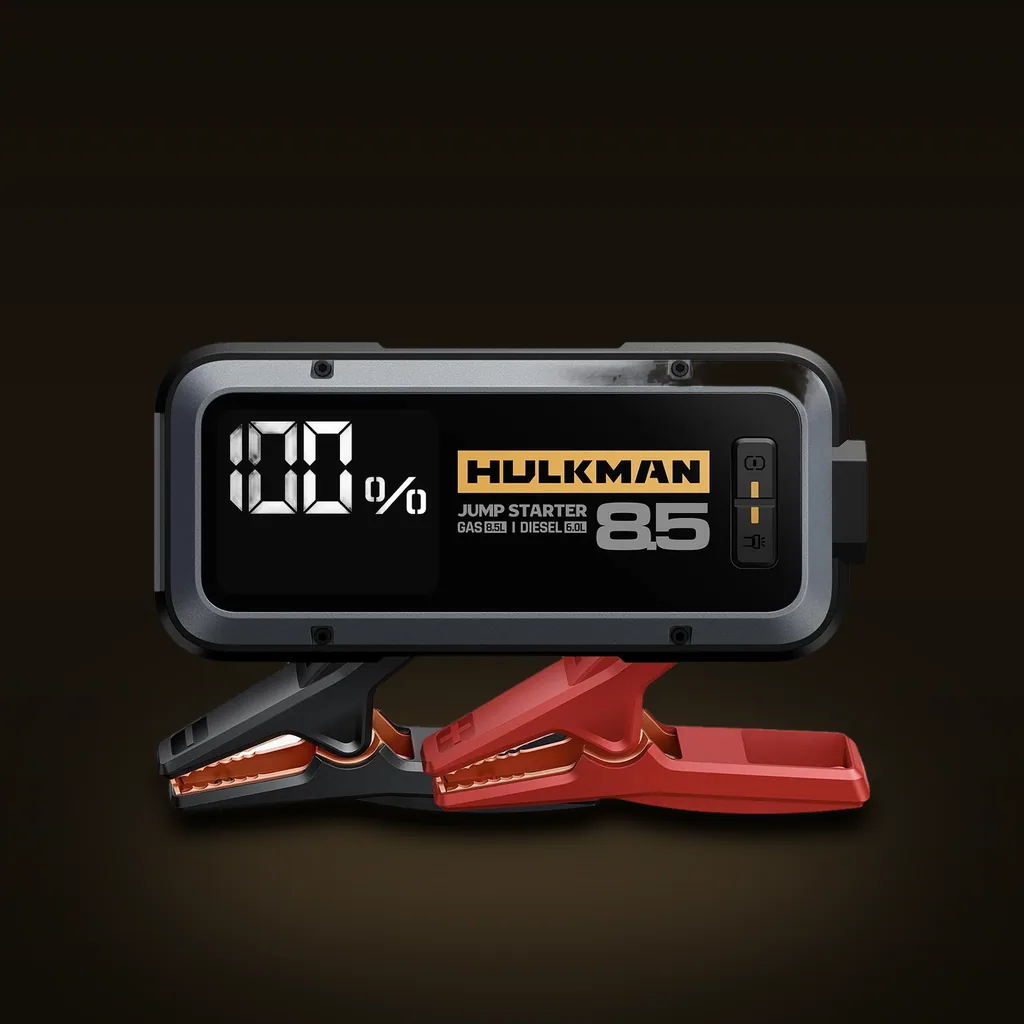
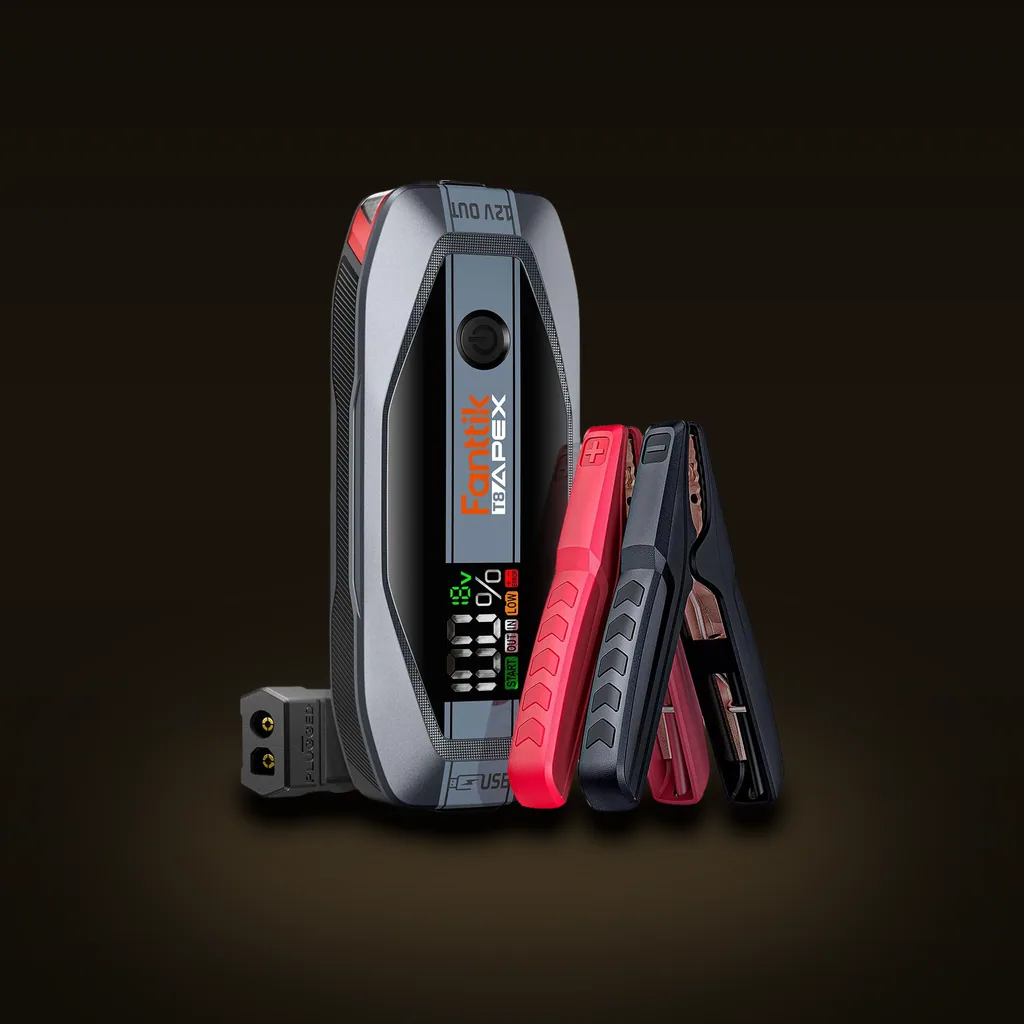
On the Hulkman Alpha85 and Fanttik T8 Apex, buyers repeatedly praise seeing an exact charge percentage and battery voltage instead of guessing at LED dots, and they consistently call out the genuinely fast 65W USB-C that charges the unit (and their phones) both ways.
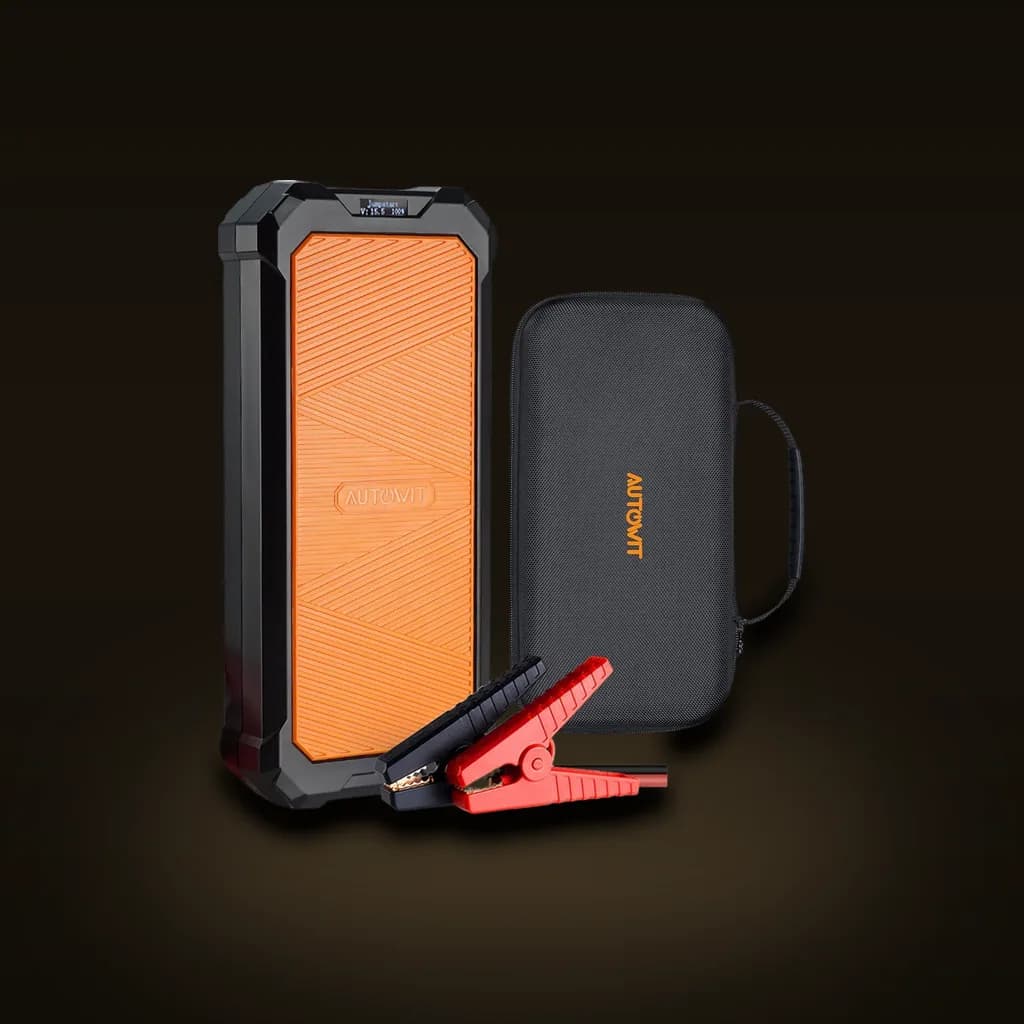
Autowit SuperCap 2 owners love that it charges its caps in minutes rather than hours and cranks in deep cold that would leave a lithium pack flat. The always-ready, nothing-to-age-out pitch holds up in real long-term use.
A recurring gripe across brands is that the attached jumper leads are on the short side and the clamps can be fiddly — owners with trucks or deep, awkwardly-placed batteries sometimes struggle to reach the terminals. Check your battery's location before assuming the built-in cables will comfortably reach.
The single most common long-term complaint is a lithium jump starter found dead in the trunk the one morning it was needed — they self-discharge on the shelf. Owners of the batteryless Autowit note the opposite trap: its caps fully drain within a couple of months, so pre-charging it is pointless; it's meant to be charged on the spot.
On the cheaper GOOLOO boosters, a scattered but recurring theme is out-of-box defects like thin or cracked jumper-cable insulation. DeWalt DXAEPS14 owners separately report a finicky air compressor that can overheat or read pressure incorrectly, plus reliance on a proprietary charging cord that's costly to replace if lost.
Buy on the engine rating, not the peak amps. A jump starter that says it handles 6.0L gas will start virtually any car; a big truck or diesel needs 8.0L+ gas or a diesel-specific rating. Diesels always demand more amps than a gas engine of the same size, so if you have one, only trust a unit that names a diesel figure. Everything else — LCD display, USB-C speed, air compressor, power-bank size — is a tiebreaker once the engine rating clears.
Peak-amp ratings are a momentary surge figure that budget brands inflate freely — a '4000A' unit isn't necessarily stronger than an honest '2000A' one. The number that matters is the engine size the maker rates it for. Find your engine's displacement (e.g. 3.5L V6) and buy a unit rated comfortably above it.
Diesel engines have much higher compression and need far more cranking current than a gas engine of the same size. Never assume a gas rating covers your diesel — look for an explicit diesel figure (e.g. '6.0L diesel') and give yourself margin in cold weather, when everything cranks harder.
Most modern units are lithium: compact, double as a power bank, but slowly self-discharge and hate extreme heat. Supercapacitor units (Autowit) never age out and shrug off -40° cold, but store no charge — they borrow it and can't act as a power bank. Lead-acid power stations (DeWalt) are heavy and self-discharge but add a real air compressor and AC outlets.
A lithium jump starter loses charge on the shelf and is useless at 0% when you finally need it. Top it up every few months (many have a display that shows the level). If you can't commit to that, a batteryless supercapacitor unit that charges on the spot is the more honest choice.
Cranking power, size, extra features, and price all pull against each other. Pocketable lithium units (NOCO GB40) are the easiest to carry but cap out at mid-size engines and small power banks. Big-capacity smart units (Hulkman Alpha85, Fanttik T8 Apex) add displays and fast USB-C but cost more and won't fit a pocket. The GOOLOO picks chase max amps and value at the expense of premium polish. The DeWalt is a whole roadside kit — compressor, AC inverter, work light — but it's a heavy stay-in-the-trunk box. And the Autowit trades the power-bank and flashlight entirely for a unit that's always ready and never needs replacing. Match the machine to your engine and your habits, not to the biggest number.
Amps are the wrong number to shop on — “peak amps” is a momentary surge figure that brands measure differently and inflate freely. Buy on the engine rating instead: a unit rated for 6.0L gas starts virtually any car or small SUV, while a big truck or diesel needs 8.0L+ or a dedicated diesel rating. Find your engine's displacement and buy comfortably above it.
Aggregated from real verified-buyer reviews and long-term owner reports — not our own hands-on test. Basis: a very large body of Amazon owner reviews (Amazon's #1 automotive best-seller), plus recurring cold-weather threads on Reddit and owner forums.
With monthly top-ups and indoor storage, many owners get 3–5 years. The usual long-term failure is the lithium cell degrading — swelling or no longer holding charge — accelerated by cold storage and letting it fully drain.
How every recommendation is built. We research, compare, and cite — we don’t take payment for placement, and we don’t claim to personally lab-test.
Lee· Founder & Editor
BlackBox Supplies is founded, researched, and written by Lee, its founder. The focus is deliberately narrow — the gear that matters the moment something goes wrong: a dead battery at 6am, a blackout, a heatwave with no AC, a breakdown on a dark shoulder. Every pick is cross-checked against manufacturer specs, published independent test data, and original analysis of hundreds of long-term verified-buyer reviews — an honest, research-based standard, not a paid lab, and never a hands-on test the site didn't do.
Every number above traces back to a real, reachable page — check any of them yourself.
Picks change and we get things wrong. When we do, we date the change here — nothing gets quietly rewritten, and a date never moves without a reason.
Outbound links are Amazon affiliate links: as an Amazon Associate, BlackBox Supplies earns from qualifying purchases, at no extra cost to you. Full disclosure.
The car, power, cooling, and work-utility gear worth owning — with the honest catch on each. One genuinely useful email a week. No spam, no fake reviews, unsubscribe anytime.