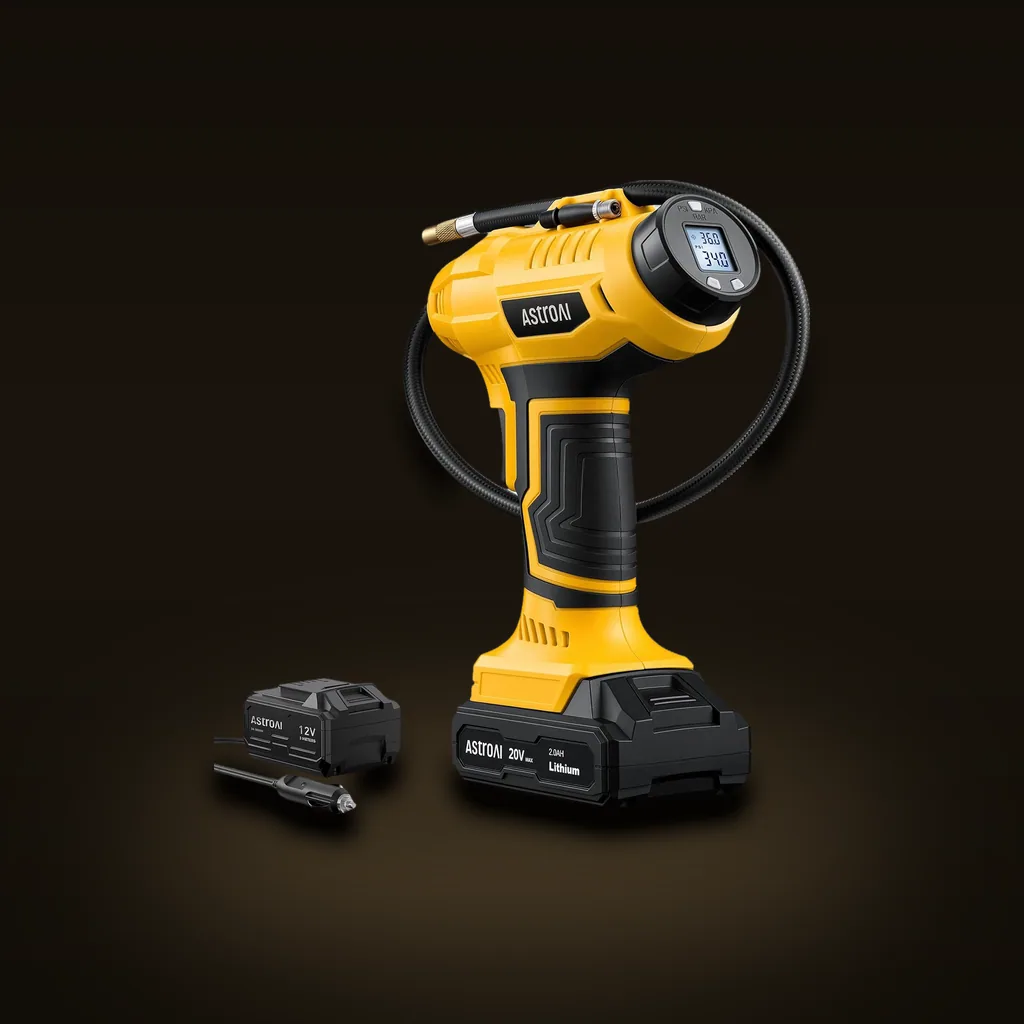
Best value
AstroAI Cordless Tire Inflator 160 PSI (20V Battery + 12V Adapter)
160PSIMax pressure
Dual / multiPower
Max pressure160 PSILeads
$50–$65Check price on Amazon
A dead tire in a dark parking lot is not the moment to discover your pump is junk. We compared the real cordless inflators worth keeping in the trunk — by max pressure, power source, and the features that actually matter.

For most drivers, a self-contained cordless inflator with preset auto-shutoff is the buy: set your target PSI, press start, and it stops itself. The Fanttik X8 APEX is the best all-rounder — fastest fills, longest runtime, and it doubles as a power bank. Want the same idea for less? The AstroAI L7 fits a glovebox for around $40. Already own DeWalt or Milwaukee batteries? Buy the bare tool in your ecosystem.
Sort by top pick, most psi, or fastest fill — the winner rises to the top. Every number is real, and each pick links straight to its exact Amazon page.
The buttons below are Amazon affiliate links. As an Amazon Associate, BlackBox Supplies earns from qualifying purchases — at no extra cost to you, and it never changes which product wins. Full disclosure.
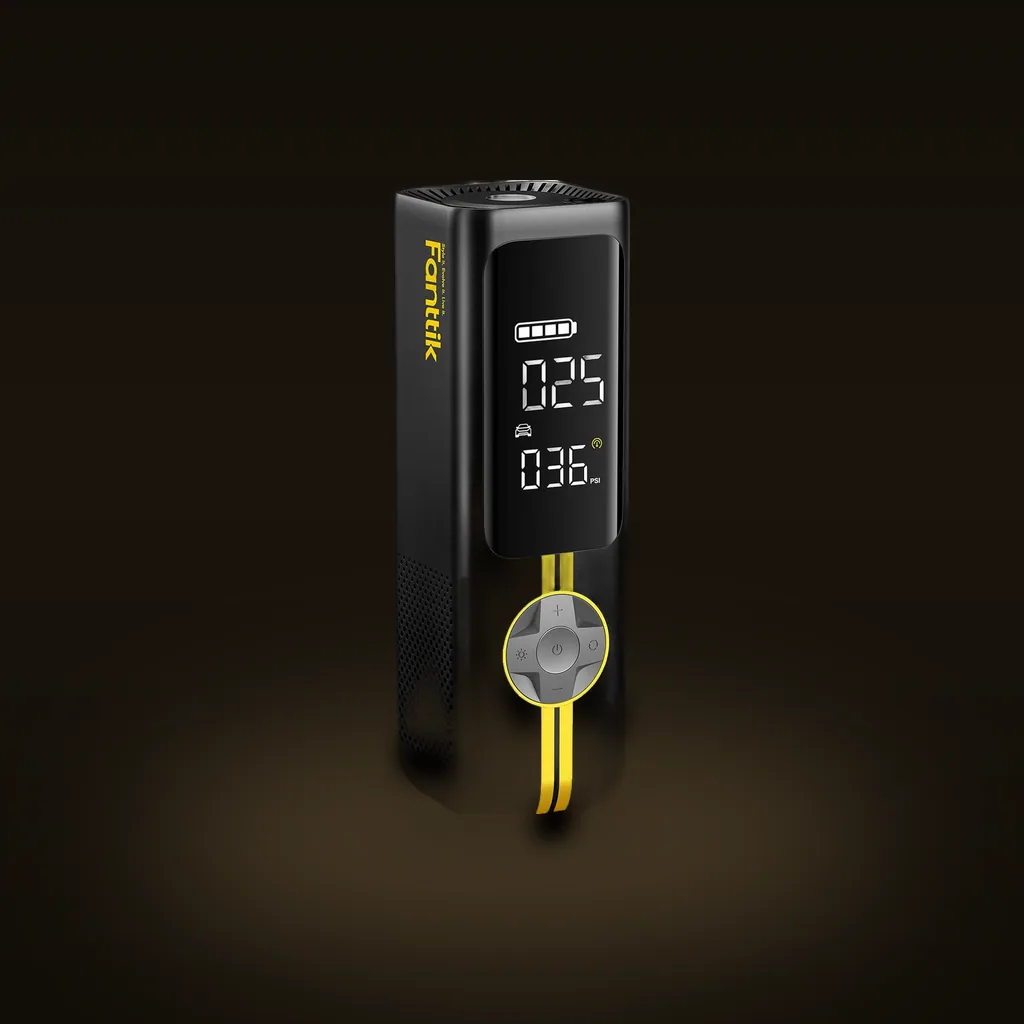
One premium, no-compromise cordless inflator for car, SUV, bike, motorcycle and sports balls.
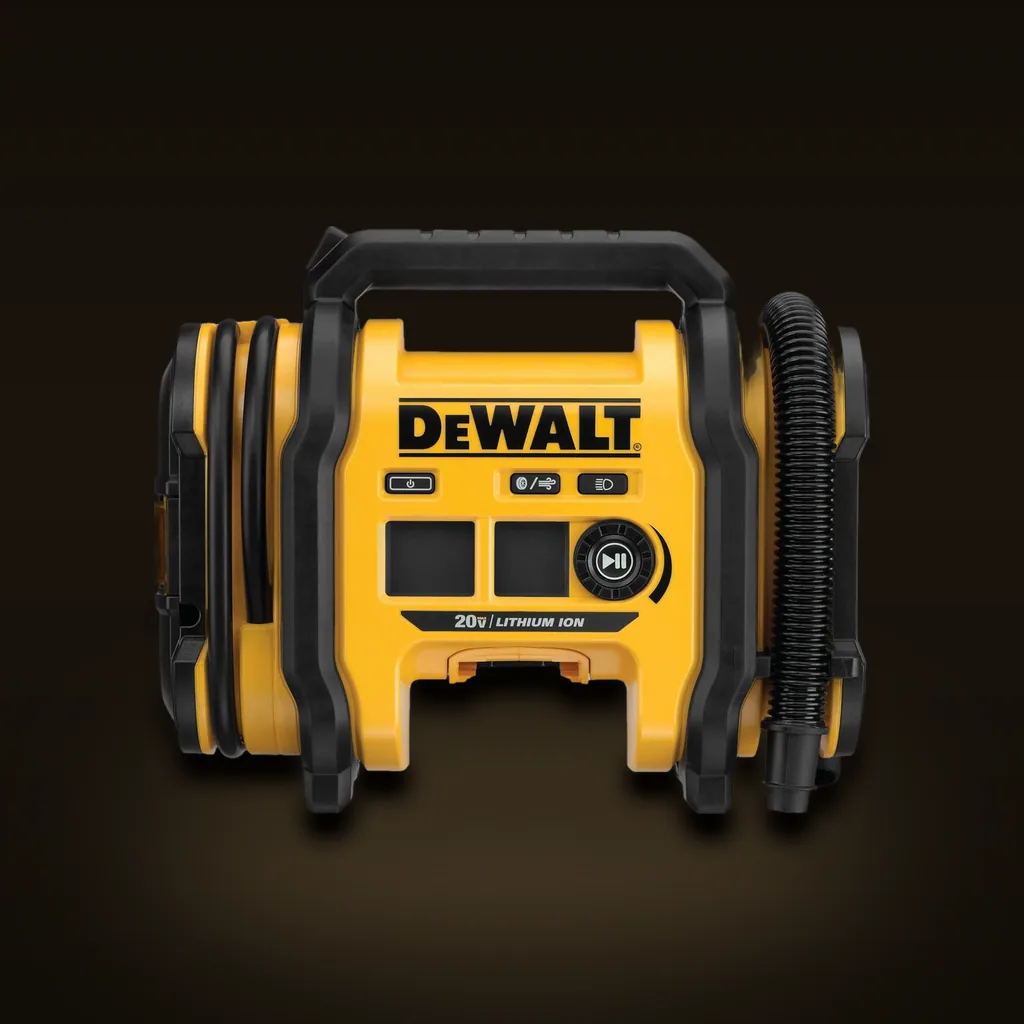
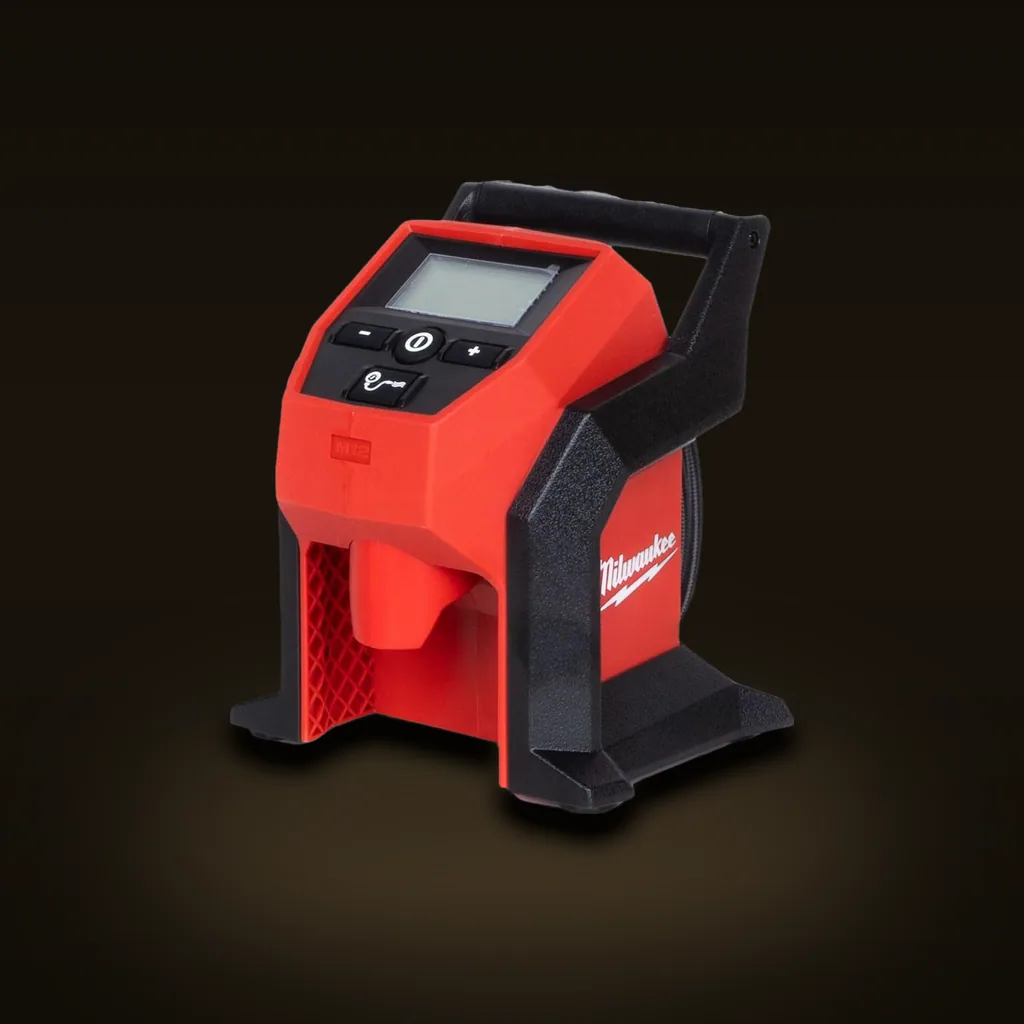
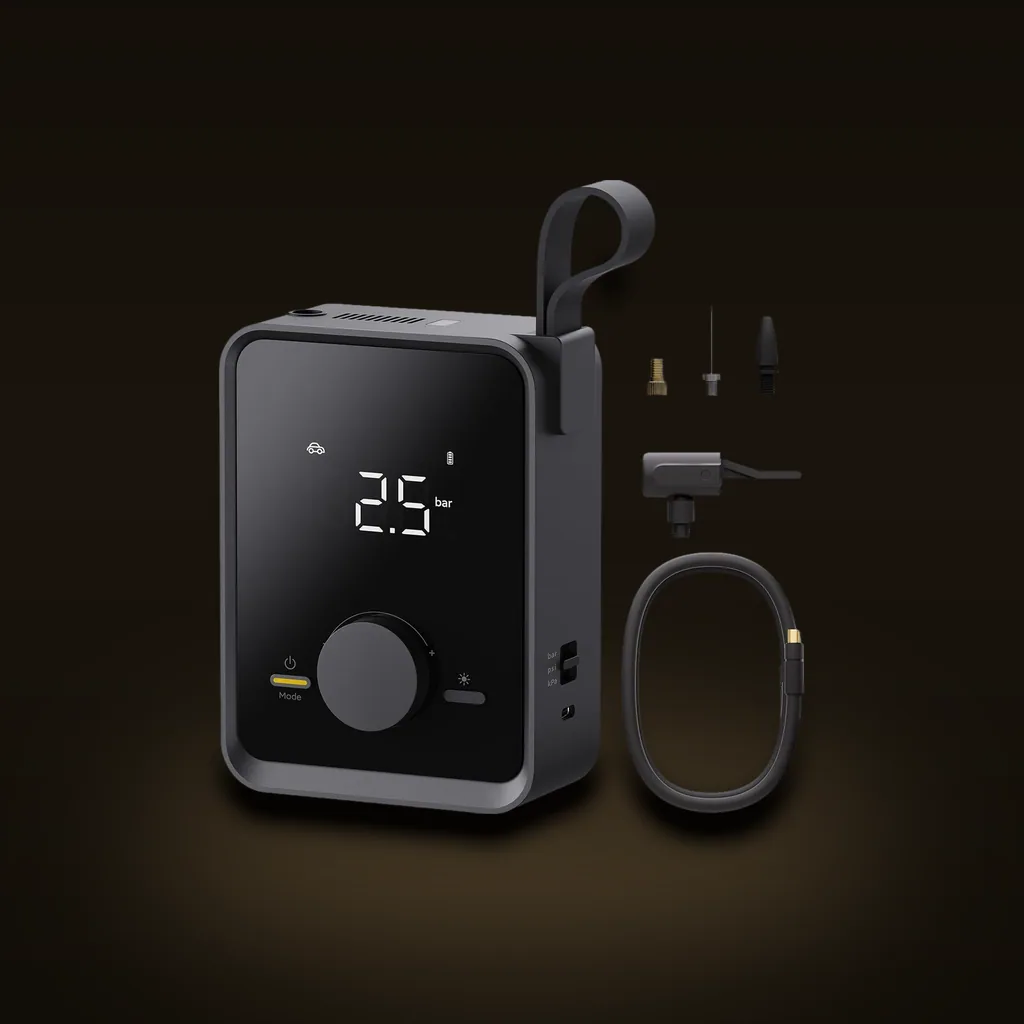
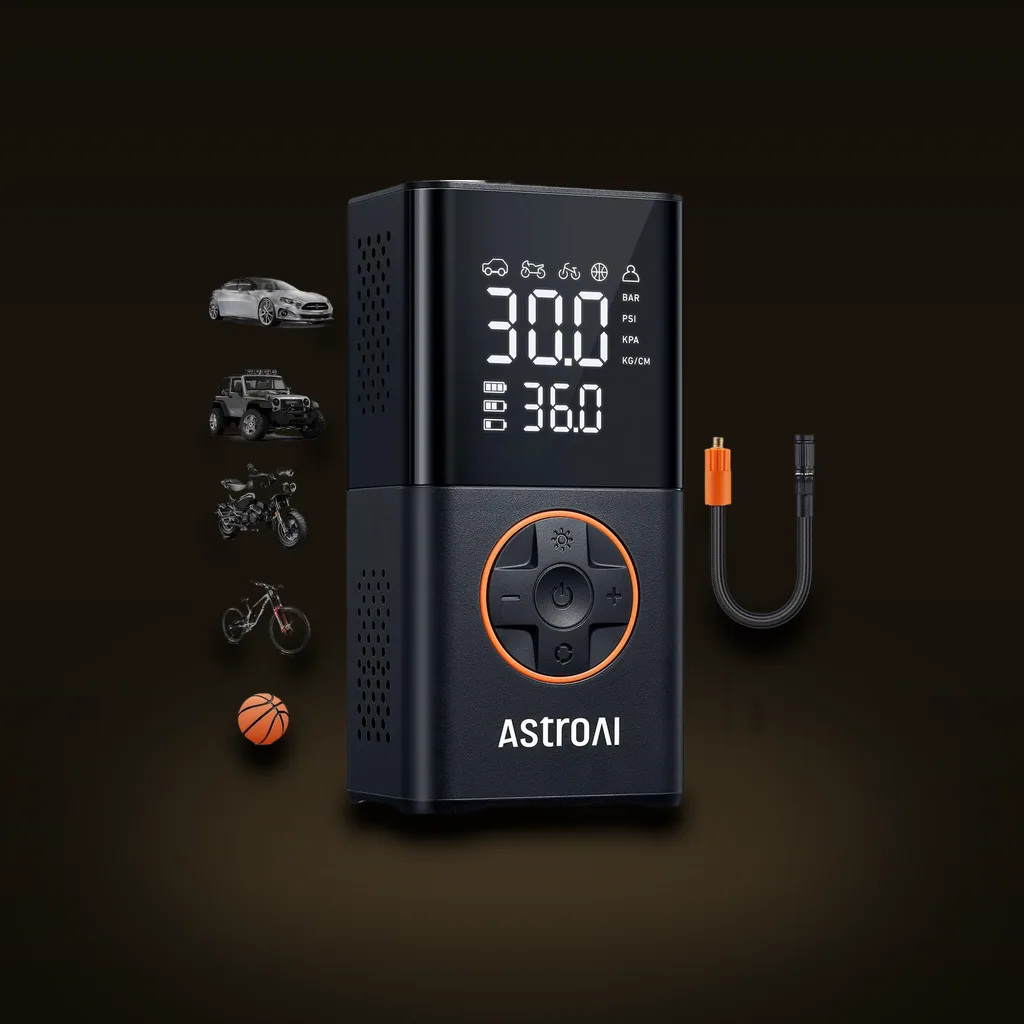
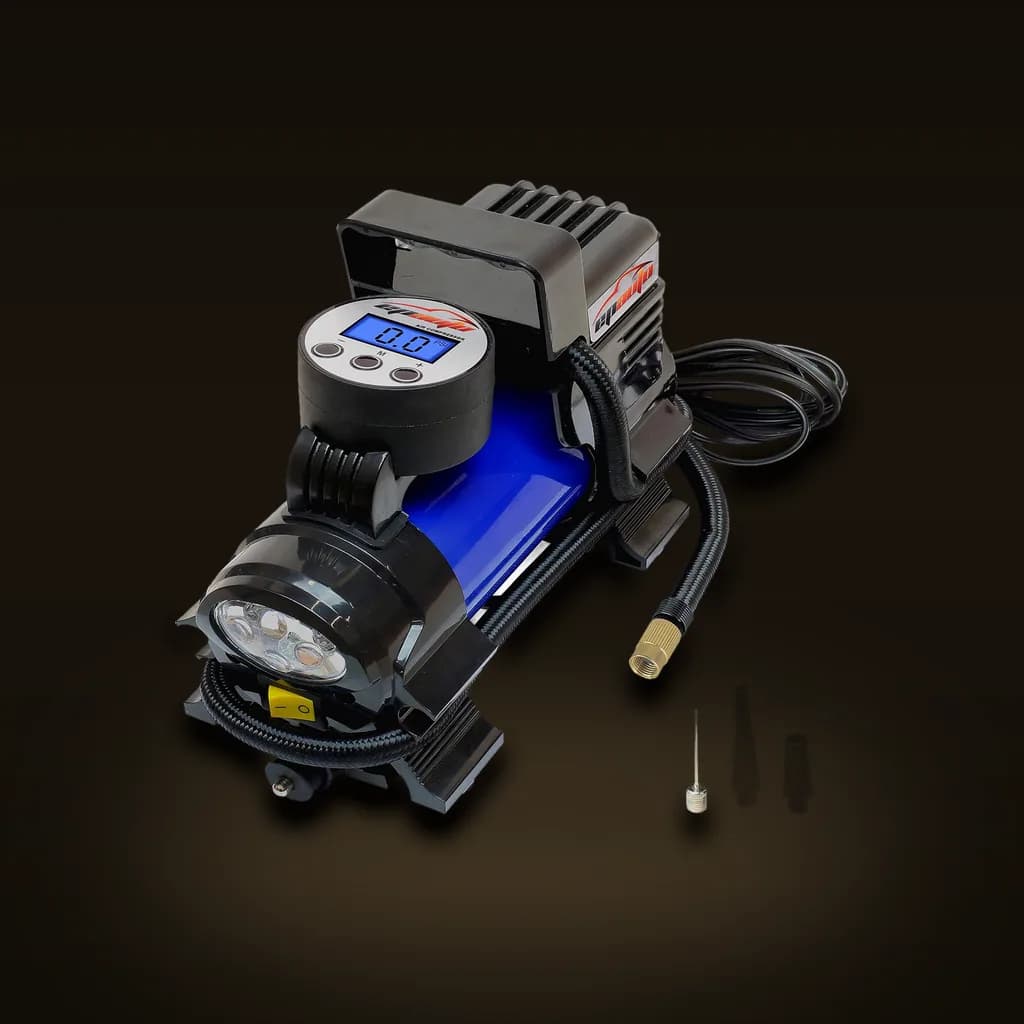
Ranked from manufacturer specs, standardized test ratings where they exist, and independent reviews. A “~” marks an estimated or unpublished figure — we never invent one. As an Amazon Associate, BlackBox earns from qualifying purchases, at no extra cost to you.
Even the Fanttik X8 APEX Portable Tire Inflator (150 PSI Cordless)isn’t perfect. Here’s what we know before you buy — and we still ranked it #1 anyway.
When we’re the wrong tool for the job, we’d rather you knew now.
Every category has one or two specs that decide whether you’re happy in a year — and a louder number the box leads with that barely predicts anything. Here’s how to read past the headline.
Real models we looked at and left off — and the single honest reason each one lost. No strawmen: if it’s here, it’s a unit people actually cross-shop.
Precise (±1 PSI) and popular, but among the slowest in its class — independent testing clocked ~13 minutes to fill a fully-deflated 215/60R16 tire, roughly double a mainstream inflator. Fine for top-offs, painful for anything larger.
Fast and a great value inside the Ryobi system, but it's a bare tool that only pays off if you already own ONE+ batteries, and the digital readout reads a couple PSI high — reviewers found the tire ~2 PSI under target once the nozzle came off, so you have to top off again.
Solid Makita build with a real auto-stop, but it has no trigger lock — you still stand there holding the trigger for the whole fill, which defeats the 'set it and walk away' point — on top of a 120 PSI ceiling and bare-tool pricing.
Cheap and competent on the gauge, but it was the loudest unit in independent testing (~89.5 dB) and draws recurring durability and early-failure complaints — not the reliability you want from an emergency pump.
Genuinely fast (~30 L/min to 150 PSI) and well-made, but it's a bare tool locked to Bosch's 18V battery platform, which few US garages own — buying into that ecosystem just for an inflator is poor value here.
Inexpensive and well-reviewed on average, but owner reports show a recurring reliability pattern — units failing within weeks, erratic gauge readings, and self-cycling on/off — the one failure mode you can't tolerate in a roadside backup.
A qualitative synthesis of patterns that recur across verified-buyer reviews — not our own lab testing, and no invented numbers. Just what owners consistently praise, and the long-term gripes worth knowing before you buy.
Across every pick, the review owners come back to isn't power or speed — it's the preset auto-shutoff. People consistently describe dialing in a target pressure, pressing start, and not having to stand there watching a gauge and toggling the pump on and off.
The pocket units (Fanttik X8, AstroAI L7, HOTO) draw steady praise for being compact and light enough to leave in a glovebox or trunk permanently, so the pump is actually there the morning a tire warns low — the whole reason people bought one.
Owners of the units that double as a battery bank (Fanttik X8, AstroAI L7) repeatedly mention topping off a dead phone on the roadside as an unexpected bonus — a small feature that keeps coming up as a reason they're glad they chose that model.
The most common recurring gripe on the cordless pocket units (Fanttik, HOTO, AstroAI) is overheating: owners report the pump getting hot and needing to rest after inflating one or two tires, and manufacturers themselves suggest a break between big fills. Fine for top-offs, frustrating on multiple flats.
A repeated long-term complaint is a rechargeable pump left in a hot trunk that won't turn on after long storage, or a battery that drains after a single full inflation. Owners who treat these as “buy once, forget it” emergency tools are the ones most often disappointed; the 12V EPAuto sidesteps this by running off the car.
Across the tool-brand and budget units alike (DeWalt, Milwaukee, EPAuto, AstroAI), a recurring theme is a pump that works well for a while, then stops — owners describe worn piston seals or failed check valves, often just past the warranty, with parts hard or impossible to source. Reliability is generally good, but this failure mode is the one owners warn about.
Decide on power source first. A rechargeable cordless unit is the grab-and-go pick and lives in any bag; a 12V corded unit never needs charging and is the cheapest reliable backup; a tool-battery model (DeWalt/Milwaukee) is the smart buy only if you already own the batteries. Then insist on preset auto-shutoff and a digital gauge — those two features are what separate a 'set it and walk away' pump from one you have to babysit. Max PSI barely matters for cars (you need ~35); it only matters for trucks, e-bikes and headroom.
Cordless (rechargeable) is the most convenient and lives anywhere, but you have to keep it charged. A 12V corded unit like the EPAuto runs off the car battery and is always ready — the best true 'never fails' backup. Bare-tool models (DeWalt, Milwaukee) are cheapest to add only if you already own that brand's batteries; otherwise a battery + charger doubles the price.
The whole point of a modern inflator is that you set a target PSI, start it, and walk away while it stops itself at exactly the right pressure. Every pick here has it. A cheap unit without it forces you to watch the gauge and toggle it manually — skip those.
Passenger tires run around 30–35 PSI, so a 120 PSI ceiling is already massive overkill. Higher numbers (150–160) only matter for light-truck/SUV tires, high-pressure road bikes, and general margin. Don't overpay for pressure you'll never use.
Small pocket inflators are perfect for top-offs but slow on a fully flat SUV tire, and many need a cool-down after ~15–20 minutes of continuous running. If you regularly fill large or fully-flat tires, favor a higher-airflow unit or a 12V compressor over the smallest pocket models.
Convenience, speed, price and 'always-ready' all pull against each other. Premium cordless units (Fanttik, HOTO) are the nicest to use and the most portable, but cost the most and must be kept charged. Tool-battery models (DeWalt, Milwaukee) are fast and rugged but only make sense inside their ecosystem. The 12V corded EPAuto is the cheapest and never needs charging, but it's slower and tethered to the socket. The compact AstroAI L7 is the value sweet spot for pure top-offs. Match the pump to how you'll actually use it — a glovebox emergency top-off is a different job than filling four dead tires in a driveway.
Far less than the box implies. Passenger tires run around 30–35 PSI, so a 120 PSI ceiling is already massive overkill. Higher numbers (150–160) only matter for light-truck and SUV tires, high-pressure road bikes, and general margin. Don't overpay for pressure you'll never use — spend on auto-shutoff and a good gauge instead.
Aggregated from real verified-buyer reviews and long-term owner reports — not our own hands-on test. Basis: around a thousand verified retailer reviews, plus independent long-term tests (CleanTechnica, Tom's Guide, Automoblog).
Most owners report reliable service over 1–2+ years; the common long-term weakness is the lithium battery — capacity fades with age and it can deep-discharge to an unrecoverable state if stored empty. Keep it charged and it lasts. (Fanttik's 'up to 17 refills' is a small-tire/top-up claim — real owners get ~4 dead car tires.)
How every recommendation is built. We research, compare, and cite — we don’t take payment for placement, and we don’t claim to personally lab-test.
Lee· Founder & Editor
BlackBox Supplies is founded, researched, and written by Lee, its founder. The focus is deliberately narrow — the gear that matters the moment something goes wrong: a dead battery at 6am, a blackout, a heatwave with no AC, a breakdown on a dark shoulder. Every pick is cross-checked against manufacturer specs, published independent test data, and original analysis of hundreds of long-term verified-buyer reviews — an honest, research-based standard, not a paid lab, and never a hands-on test the site didn't do.
Every number above traces back to a real, reachable page — check any of them yourself.
Picks change and we get things wrong. When we do, we date the change here — nothing gets quietly rewritten, and a date never moves without a reason.
Outbound links are Amazon affiliate links: as an Amazon Associate, BlackBox Supplies earns from qualifying purchases, at no extra cost to you. Full disclosure.
The car, power, cooling, and work-utility gear worth owning — with the honest catch on each. One genuinely useful email a week. No spam, no fake reviews, unsubscribe anytime.