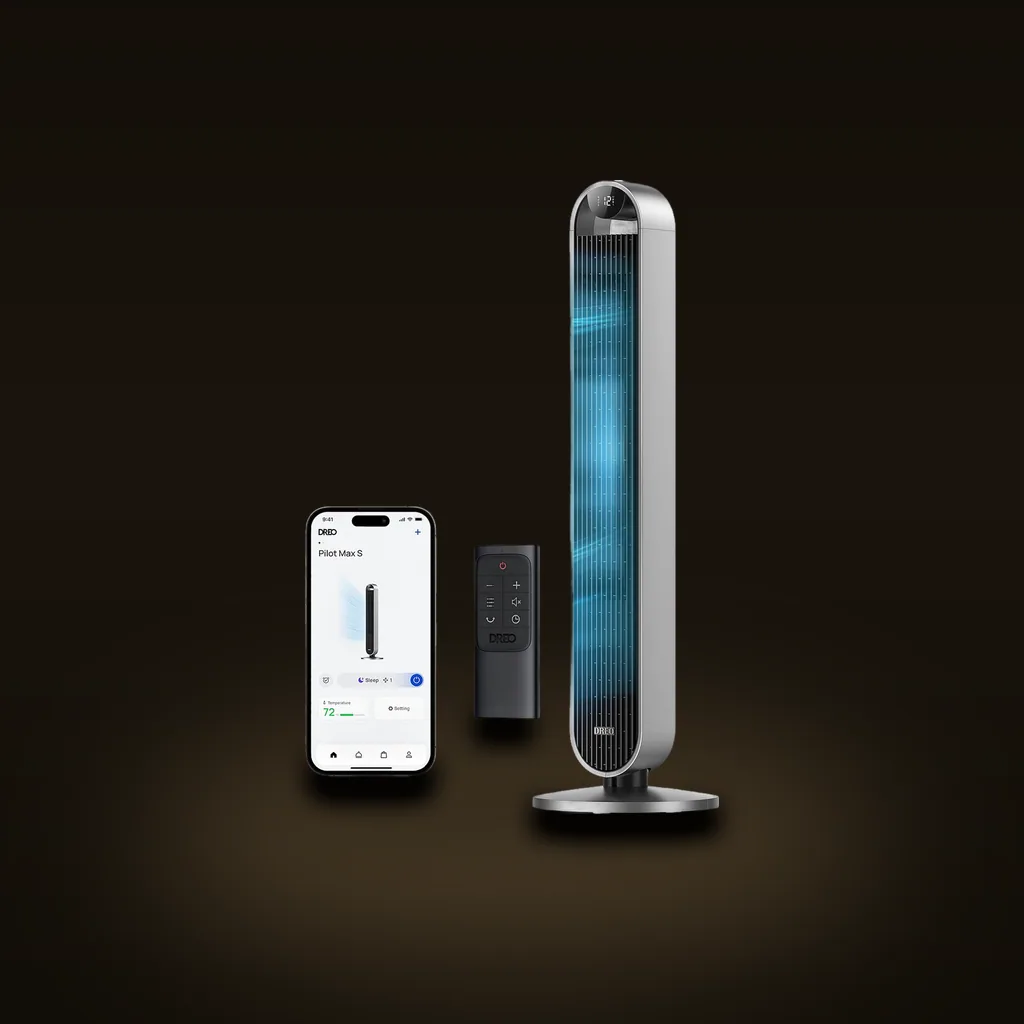
Best for bedrooms
Dreo 42-Inch Bladeless Tower Fan (Quiet DC Motor)
20dBNoise (low)
$80–$100Check price on Amazon
Reach, velocity, 'noise levels' — fan makers advertise everything except the one number that means anything. Here's every fan lined up by what it actually does: airflow, real speeds, and how quiet it is when you need to sleep.

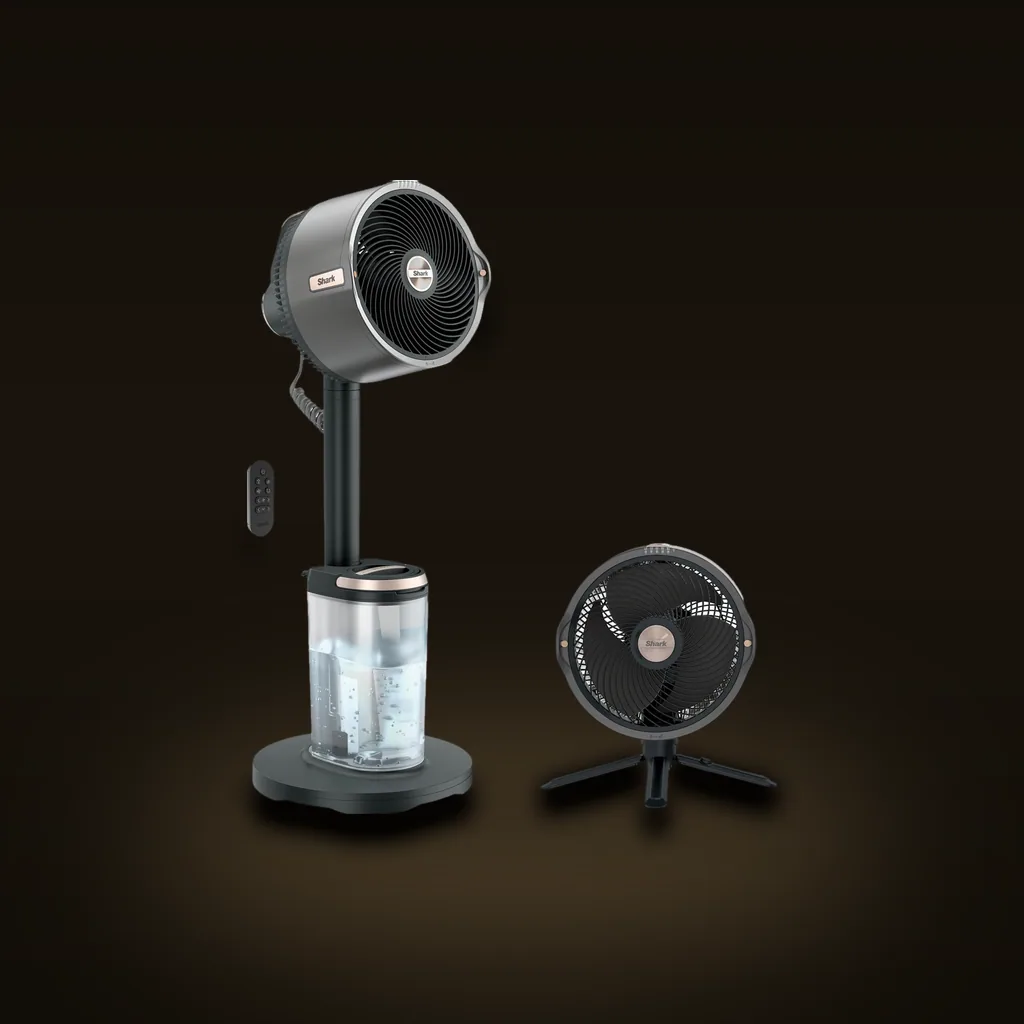
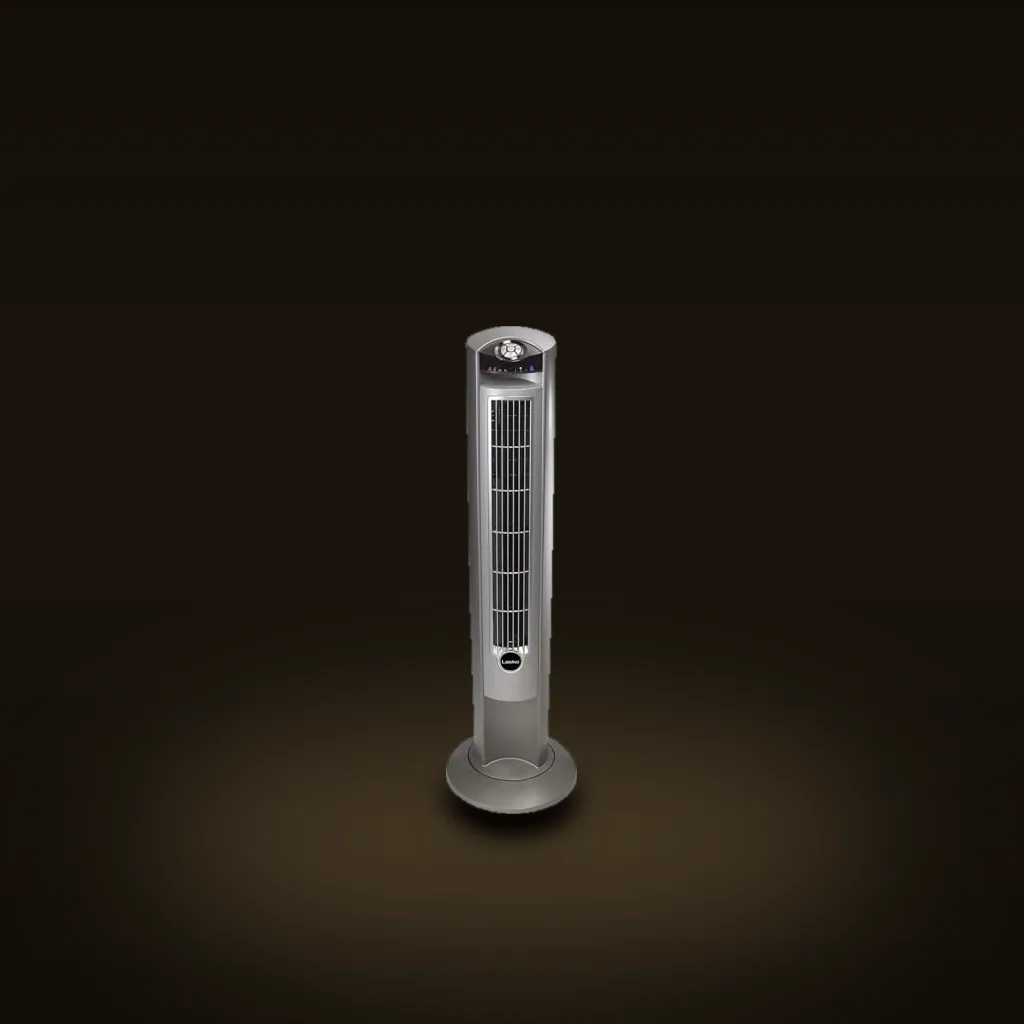
For most people, a bladeless tower is the sweet spot: safe, easy to clean, and quiet. The Shark TurboBlade wins on sheer flexibility — it points air anywhere in the room. Want the quietest bedroom fan for a fraction of the price? The Dreo 42-inch bladeless (20 dB DC motor). On a tight budget, the Lasko Wind Curve does the job for around $60. Ignore 'reach in feet' marketing and match the fan to the room and the noise you can live with.
Sort by editor's rank, most airflow, or quietest — the winner rises to the top. Every number is real, and each pick links straight to its exact Amazon page.
The buttons below are Amazon affiliate links. As an Amazon Associate, BlackBox Supplies earns from qualifying purchases — at no extra cost to you, and it never changes which product wins. Full disclosure.
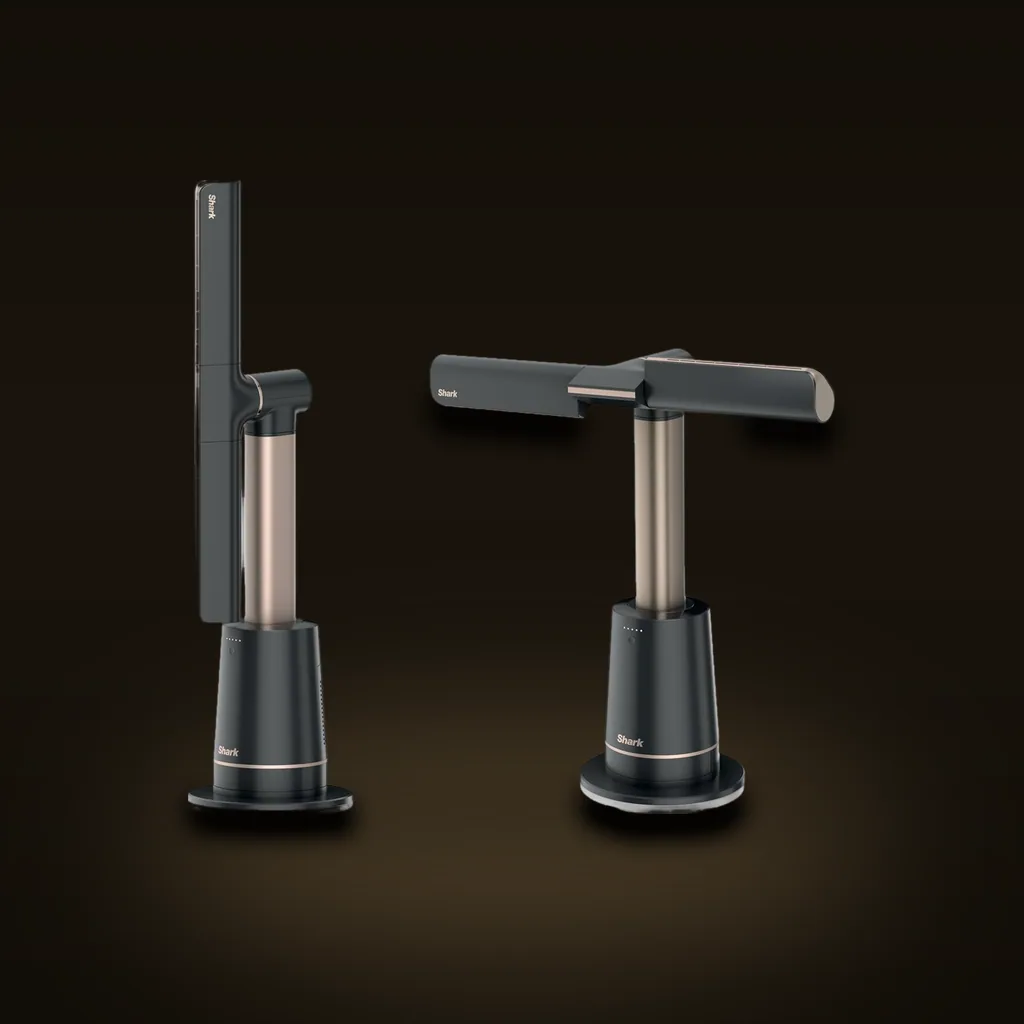
One fan that can point air anywhere — a whole room, a bed, or straight down a hallway.
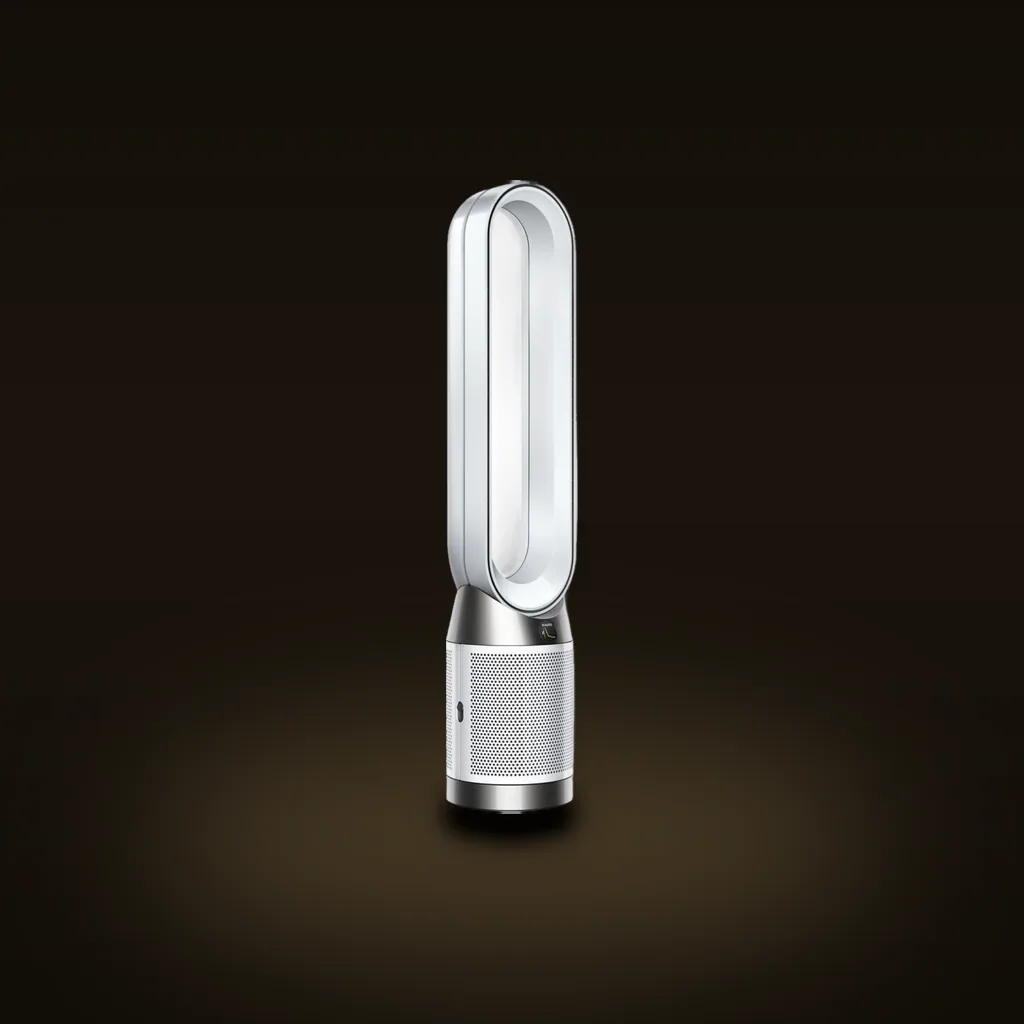
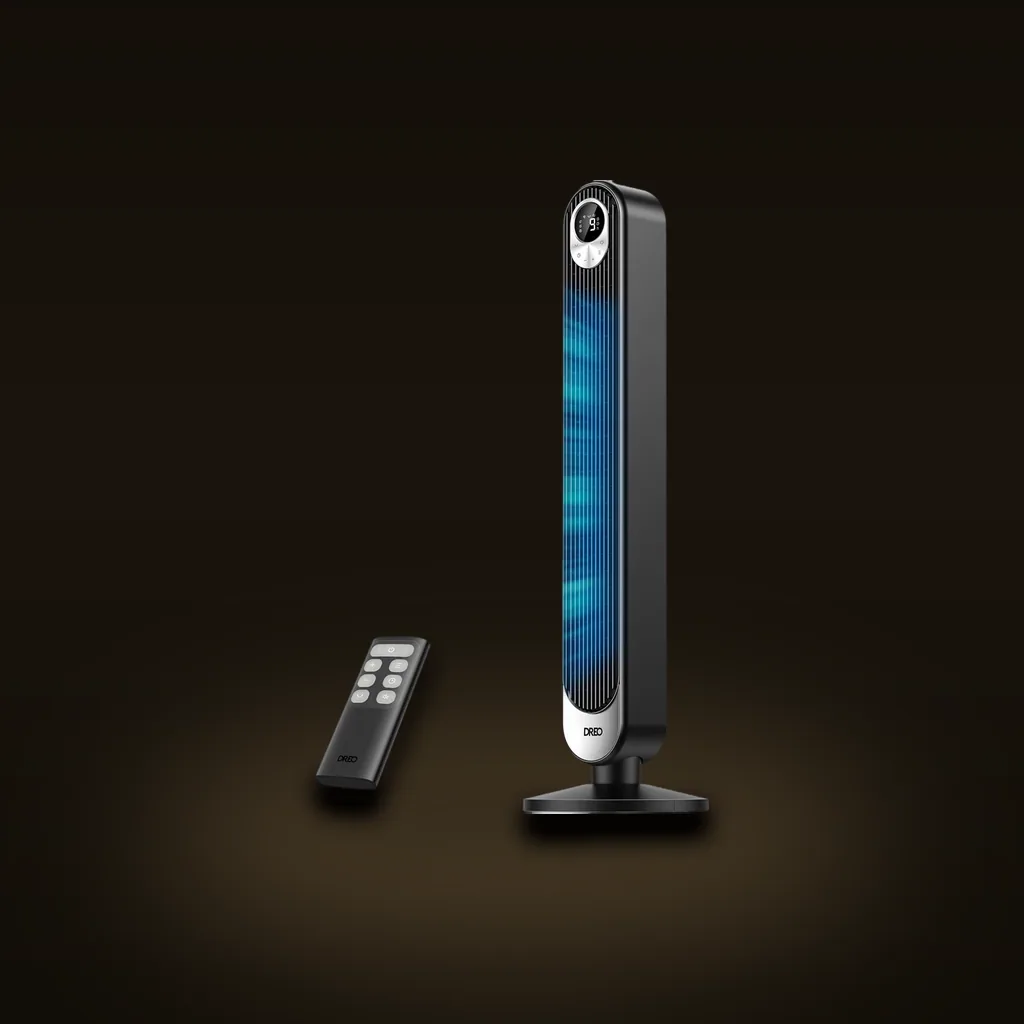
Ranked from manufacturer specs, standardized test ratings where they exist, and independent reviews. A “~” marks an estimated or unpublished figure — we never invent one. As an Amazon Associate, BlackBox earns from qualifying purchases, at no extra cost to you.
Even the Shark TurboBlade Bladeless Tower Fan (TF202S, Charcoal)isn’t perfect. Here’s what we know before you buy — and we still ranked it #1 anyway.
When we’re the wrong tool for the job, we’d rather you knew now.
Every category has one or two specs that decide whether you’re happy in a year — and a louder number the box leads with that barely predicts anything. Here’s how to read past the headline.
Real models we looked at and left off — and the single honest reason each one lost. No strawmen: if it’s here, it’s a unit people actually cross-shop.
A perennial best-seller, but its oscillation gear develops a grinding rattle that undercuts the 'QuietSet' name, and Honeywell publishes no CFM — its AC motor can't modulate as finely as the DC-motor picks here.
Moves more air than anything here (Vornado rates 1,638 CFM of vortex circulation, ~100 ft throw), but it deliberately doesn't oscillate and blows one concentrated jet — it stirs a whole room's air rather than sweeping a breeze across you.
Strong, genuinely quiet airflow (35 dB on low), but it's a bladed AC-motor pedestal fan with just 5 speeds — no fine DC modulation — at a $150–230 price, and owners report its plastic connectors loosening and cracking with repeated moving.
The older cooling-only bladeless: it still costs Dyson money ($300–400) but omits the sealed-HEPA purification that justifies our TP07 pick's price — and independent testing clocks it up to ~61 dB, so you pay a premium without the air-cleaning payoff.
A quiet (rated 28 dB), likable budget tower, but its 90° oscillation and ~23 ft throw make it a small-room fan — our Dreo 42-inch bladeless matches its quiet with wider coverage for similar money.
A qualitative synthesis of patterns that recur across verified-buyer reviews — not our own lab testing, and no invented numbers. Just what owners consistently praise, and the long-term gripes worth knowing before you buy.
Owners of the Dreo bladeless and Cruiser Pro T1 repeatedly say they sleep through the night with it running on low — the brushless motor drops to a whisper the bladed budget towers can't match.
A recurring point of praise across the Dreo and Dyson picks is having many small speed steps plus a from-the-couch remote, so you can dial in a sleep breeze instead of choosing between 'loud' and 'louder.'
FlexBreeze owners consistently say the ice-fillable mist and battery power make patios and garages genuinely bearable in heat — the thing it's built for, it does well.
This is the most consistent long-term complaint across the bladeless fans: the Shark TurboBlade turns shrill past roughly speed 6–7, and even Dyson TP07 and some Dreo owners report a high-pitched whine developing — near-silent on low, intrusive when you push them.
Owners of several units here — Dreo, Lasko, and the Honeywell we left out — report a rattle or ticking from the oscillation gear after months of use, often loudest at the low speed you'd use to sleep.
FlexBreeze buyers repeatedly note the headline 24-hour figure only holds at the lowest speed with no oscillation or mist; run it hard and it drops to a couple of hours, and some report the mister spitting rather than misting.
Decide the room first. For a bedroom, prioritize a low published dB and a DC motor (they modulate quietly) over top speed. For a living room, prioritize airflow and oscillation width so it actually reaches you. For outdoors, you need cordless run time and ideally misting. Everything else — ionizer, LED display, smart app — is a tiebreaker, not a reason to buy.
Marketing loves 'blows air up to 80 ft' or '28 ft/s' — neither tells you how much air fills the room. CFM (cubic feet per minute) does. Very few makers publish it, which is exactly why a fan that hides its CFM behind a reach number deserves a little suspicion.
Bladeless and premium towers use brushless DC motors: quieter, more efficient, and with many fine speed steps (10–12). Cheaper bladed towers use AC motors with 3 speeds and a louder, more constant hum. For a bedroom, the DC-motor difference is the whole ballgame.
A '20 dB' claim is almost always the lowest speed in a lab — real-room noise climbs fast as you turn it up. Where a maker publishes only 'noise levels' and no dB, treat quiet as unproven. Both the Shark and Dyson here publish no dB figure at all.
A 90° sweep covers a couch; 180–350° covers a whole room. Tower height matters too — a 42-in. tower pushes air at torso/head height, while a short pedestal or table fan blows lower unless it tilts.
Quiet, airflow, features, and price all pull against each other. The bladeless DC-motor fans (Shark, Dyson, Dreo bladeless) are the quietest and most controllable but cost more; the Dyson adds real air purification and a premium price to match. Classic AC-motor towers (Dreo Cruiser Pro T1, Lasko) move plenty of air cheaply but with fewer speeds and a louder character. The Shark FlexBreeze is the odd one out — a cordless, misting outdoor fan, not a quiet indoor tower. Match the fan to the room and the noise you can tolerate, not to the biggest reach on the box.
CFM (cubic feet per minute) is the honest measure of how much air a fan moves — the number that tells you whether it'll actually cool the room. Most makers hide it behind marketing units like “reach” (80 ft) or “velocity” (28 ft/s) that sound impressive but say nothing about volume. A fan that won't publish its CFM usually has a reason, so treat the omission with a little suspicion.
Aggregated from real verified-buyer reviews and long-term owner reports — not our own hands-on test. Basis: strong owner sentiment across retailers plus independent bench tests (Tom's Guide, Expert Reviews); no recalls.
Long-term data is still thin (the fan is fairly new), but reviewers report smooth operation over weeks of daily use and there are no recalls. The oscillation drive is the part owners most flag — though most 'won't oscillate' cases trace to leftover assembly tape, not motor failure.
How every recommendation is built. We research, compare, and cite — we don’t take payment for placement, and we don’t claim to personally lab-test.
Lee· Founder & Editor
BlackBox Supplies is founded, researched, and written by Lee, its founder. The focus is deliberately narrow — the gear that matters the moment something goes wrong: a dead battery at 6am, a blackout, a heatwave with no AC, a breakdown on a dark shoulder. Every pick is cross-checked against manufacturer specs, published independent test data, and original analysis of hundreds of long-term verified-buyer reviews — an honest, research-based standard, not a paid lab, and never a hands-on test the site didn't do.
Every number above traces back to a real, reachable page — check any of them yourself.
Picks change and we get things wrong. When we do, we date the change here — nothing gets quietly rewritten, and a date never moves without a reason.
Outbound links are Amazon affiliate links: as an Amazon Associate, BlackBox Supplies earns from qualifying purchases, at no extra cost to you. Full disclosure.
The car, power, cooling, and work-utility gear worth owning — with the honest catch on each. One genuinely useful email a week. No spam, no fake reviews, unsubscribe anytime.