Too Hot to Sleep — Here's Exactly What to Do Tonight
It's midnight, the room won't cool down, and you're lying on top of the covers doing the math on how little sleep you're about to get. Your body actually needs its core temperature to drop a degree or two to fall asleep — so the heat isn't just uncomfortable, it's physically blocking you from nodding off. Here's the fast, free triage that works before you buy anything.
By Lee · Researched & cited · Updated Oct 2026
Before you buy anything
- 1
Build a cross-breeze and push the hot air out
Air needs an entry point and an exit point to actually move. Open two windows on opposite sides of the room (or a window and the door). If it's cooler outside than in, put a fan in one window facing OUT to exhaust the hot air — that pulls cooler air in through the other opening. If you have a ceiling fan, run it counterclockwise (blades sweeping so you feel air pushed down onto the bed).
- 2
Cool your body, not the whole room
You don't have to cool the air — just your blood. Wrap an ice pack in a thin towel, or wet a washcloth with cold water, and hold it on your pulse points: the sides of your neck, your wrists, and your ankles. Blood vessels sit close to the skin there, so you cool the blood passing through and feel relief within minutes. A quick lukewarm-to-cool shower before bed does the same thing on a bigger scale and is the single most reliable trick — skip an ice-cold shower, which can make you rebound hotter.
- 3
Strip the bed down to breathable layers
Heavy bedding and synthetic sheets trap heat against you. Pull off everything but a single lightweight cotton or linen sheet, and sleep in loose, breathable clothing or none. Try the 'starfish' — flat on your back, arms and legs spread — so heat escapes from your limbs instead of pooling. Sealing your pillowcase in a zip bag and stashing it in the freezer for a few minutes buys you a cool surface for those crucial first minutes of falling asleep.
- 4
Kill the heat sources and hydrate
Lamps, TVs, laptops, and phone chargers all radiate real heat into a small room — power them fully off, not just to standby. During the day, keep blinds and curtains closed on the sunny side so the room doesn't bake in the first place. Drink a glass of water before bed, since dehydration makes you feel hotter. One caution: once it's roughly above 95°F with high humidity, a fan blowing hot air can actually work against you — in that case wet your skin first so the airflow evaporates it, or move to the coolest room in the home.
The one thing that solves it today
If the free steps aren't enough tonight, the one thing that reliably fixes it is moving air across your skin — that's evaporative cooling, the same mechanism as sweating, and it's what makes a hot room survivable. A quiet oscillating tower fan aimed at the bed gives you that all night without the rattle that wakes you up; a cordless clip-on fan on the headboard is the cheapest way to aim air right where you sleep.

Dreo Cruiser Pro T1 Oscillating Tower Fan
A quiet, well-priced oscillating tower with a genuinely wide speed range and useful modes, pushing air about 26 ft. A strong value pick for everyday room cooling.

Koonie 10000mAh Rechargeable Clip-On Fan (8-Inch, Black)
A rechargeable clip-on fan with a strong clamp that solves the airflow problem a floor fan can't reach - bunk rails, strollers, treadmills, and shelves. The big 10000mAh battery runs up to about 24 hours, and it converts to a desk fan when unclipped.
Never get caught here twice
The heat you feel first is often the heat coming back up out of your mattress — foam stores your body heat and radiates it into you all night. A cooling gel topper pulls heat away from the sleep surface itself so you're not fighting the bed, and a permanent quiet bedroom fan means you're never scrambling on the next hot night. Own both and 'too hot to sleep' stops being a crisis.

Serta ThermaGel Cooling Memory Foam Mattress Topper (3 Inch, Twin XL)
A cooling gel memory foam topper sized specifically in Twin XL - the standard dorm-bed size - that adds real pressure relief and a cooler surface to a thin campus mattress.
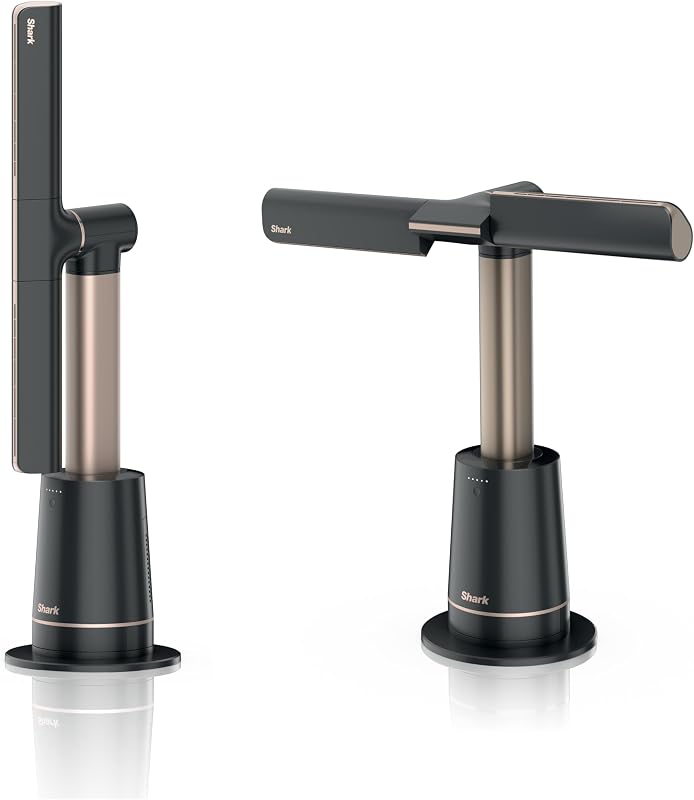
Shark TurboBlade Bladeless Tower Fan (TF202S, Charcoal)
A bladeless fan that does something most don't - it pivots from an upright column of air to a horizontal 'air blanket' overhead, with multi-directional vents to aim the flow. Versatile and safe around kids, though you pay a premium for the design.
Questions people ask
Does sleeping with a fan on actually cool the room, or just move hot air around?
A fan doesn't lower the room's temperature — it cools you by helping sweat evaporate off your skin, which is genuine cooling for your body. That works great up to a point. Once the air is very hot and very humid (roughly above 95°F), the fan is mostly blowing hot air and evaporation stalls, so it can feel worse. In that case, dampen your skin first or point the fan out a window to exhaust heat instead of circulating it.
What's the fastest way to cool down when I'm already in bed and can't fall asleep?
Cool your pulse points. A cold, damp washcloth or a fabric-wrapped ice pack on your neck, wrists, and ankles cools the blood passing just under the skin and gives relief within a few minutes. Pair it with a fan moving air over you. If you can get up for two minutes, a quick cool (not ice-cold) shower is even faster and is the most reliable single fix.
Will a cooling mattress topper really help, or is it marketing?
A gel or cooling-foam topper doesn't refrigerate you, so be realistic — it won't feel like AC. What it does do is pull heat away from the surface and stop plain memory foam from trapping and radiating your body heat back at you, which is a common reason hot sleepers wake up sweating. It addresses the surface you're lying on, which fans can't reach, so it pairs well with airflow rather than replacing it.
Is a neck fan or personal cooler worth it for sleeping, or just for daytime?
Wearable and handheld coolers are built for when you're upright and moving — commutes, walks, working in the heat — not for lying still all night. For actual sleep you want a fan that oscillates over the whole bed or a cooler sleep surface. Keep the personal stuff for getting through the hot hours before bed and for the next heatwave outdoors.