Do I Need a Dash Cam? What to Actually Look For (2026)
A dash cam turns "my word against theirs" into footage a claims adjuster can read — but only if you buy for the sensor, the coverage, and the parking power, not the "4K" sticker. Who actually needs one, and what to look for.
The short answer
If you commute, rideshare, or park on a public street, yes — a dash cam is cheap insurance against the crash you didn't cause and the hit-and-run nobody admits to. For most drivers the front-and-rear VIOFO A229 Plus is the pick; on the tightest budget, the ROVE R2-4K. Buy on the low-light sensor, not the "4K" label.
Disclosure · As an Amazon Associate, BlackBox Supplies earns from qualifying purchases — at no extra cost to you. See our full disclosure.
Who actually benefits — and who can skip it
A dash cam isn't about your driving. It's about everyone else's — and about the moment a story becomes your word against theirs. The camera exists to turn that moment into footage an insurance adjuster or a police report can actually read.
That makes it clearly worth the money for some people, and genuinely optional for others.
- Daily commuters — The more miles you log, the higher the odds you'll witness — or get blamed for — a crash you didn't cause. Continuous loop footage is the cheapest defense against a false claim.
- Rideshare and delivery drivers — You're in the car for a living, often with strangers aboard. A three-channel cam documents the road, the rear, and the cabin at once — the VIOFO A139 Pro is built for exactly this.
- Anyone who parks on the street — Parking-lot dings and overnight hit-and-runs are the classic 'nobody left a note' scenario. A cam with a real parking mode is the only witness you'll get.
- Parents of new and teen drivers — Footage settles the 'what happened' argument at home the same way it settles it with an insurer, and several cams flag hard braking and impacts automatically.
- Brake-check and tailgating targets — If someone slams their brakes to stage a rear-ending, front-only footage won't help you — this is the exact case a rear camera is made for.
The one thing to understand: the sensor beats the resolution
If you take a single idea from this page, make it this: the number on the box ('4K!') is not the number that saves you. The sensor behind the lens is.
Here's why. The frame that settles a claim is almost always shot at night or in bad light, and it has to show one thing clearly — the license plate of the car involved. A cheap '4K' cam can be razor-sharp in daylight and turn that same plate into an unreadable smear of glare and grain after dark. A camera built around a stronger low-light sensor — Sony's STARVIS 2, in the VIOFO models here — records a lower 1440p resolution and still keeps that plate legible in the dark.
So a 1440p STARVIS 2 cam frequently out-reads a no-name '4K' cam on the footage that actually matters. Resolution counts how many pixels there are; the sensor decides how usable those pixels are once the light is gone. Buy the sensor first and the megapixels second.
Front, front + rear, or front + cabin?
After the sensor, coverage is the real decision — and it's driven by which risk you're covering, not by how many cameras sound impressive.
Front-only catches the crashes you drive into, which is most of them, and it installs in minutes. Adding a rear camera catches the rear-endings and brake-checks that are otherwise impossible to prove. A third interior channel documents the cabin, which matters when strangers ride in your car for money. More cameras means a longer install and a bigger memory card — so match the coverage to your exposure, not to the spec sheet.
| If you're... | Coverage to buy | Researched pick |
|---|---|---|
| A daily commuter who wants proof on tape | Front + rear | VIOFO A229 Plus (dual STARVIS 2, ~$200–260) |
| On the tightest budget, first cam | Front only, 4K | ROVE R2-4K (~$90–120, on-device screen) |
| Wanting front + rear cheaply | Front + rear, value | REDTIGER F7N (~$130–160, 64GB card in box) |
| Rideshare / delivery / fleet | Front + rear + cabin (3-channel) | VIOFO A139 Pro (~$300–360, IR cabin cam) |
| After top night footage in a hidden front cam | Discreet front only, STARVIS 2 | VIOFO A119 Mini 2 (~$100–130, supercapacitor) |
| Parking in the open, wanting live alerts | Connected front + rear | Nextbase iQ (~$400–600, 4G LTE, subscription) |
| Wanting it invisible / a trusted brand | Discreet front only | Garmin Dash Cam Mini 2 (~$110–150, key-fob size) |
The specs that matter after that — and the noise
- Parking mode is real, but it needs power — Every 'parking mode' here monitors the car while it's off, but the accessory socket goes dead when the engine does. Parking protection runs off a hardwire kit or the maker's constant-power cable — almost always sold separately. Skip it and the parking-lot hit never records.
- Storage: buy a high-endurance card, sized big — Dash cams loop-record around the clock, which wears out an ordinary microSD fast and can fail silently. Buy a 'high-endurance' card near the cam's ceiling (256–512GB on most models here). Most cams ship without one — the REDTIGER F7N is a rare exception with 64GB in the box.
- Heat: prefer a supercapacitor over a battery — A cam bakes on your windshield all summer. Models built around a supercapacitor instead of a lithium battery — like the VIOFO A119 Mini 2 — tolerate that heat far better and last longer before they die.
- GPS and Wi-Fi are convenience, not deciding factors — GPS stamps footage with speed and location (useful corroboration in a dispute); Wi-Fi lets you pull clips to your phone without touching the card. Both are nice tiebreakers, not the decision. Note the Garmin Mini 2 skips built-in GPS.
- What's mostly noise — A giant field-of-view number (170°+) catches more lanes but adds fisheye distortion at the edges; a big '4K' label attached to an unnamed sensor; and 'parking mode' treated as a free checkbox when it actually costs you a hardwire kit.
Common mistakes people make
- Buying on the '4K' label alone — You get night footage too soft to read the plate that hit you. The sensor decides night legibility, not the headline number.
- Skipping the hardwire kit — Then discovering parking mode never recorded the lot ding, because the cam was simply asleep with the engine off.
- Running an ordinary SD card — It wears out under 24/7 recording and fails silently — you learn it's dead exactly when you need the clip.
- Underestimating the rear-camera cable — Running a rear cam's cable across the headliner is a real 30–45 minute job or a shop visit. Budget the time before you commit to a two-channel kit.
- Assuming front-only is always enough — Until the one time someone brake-checks you and you've got no rear footage to prove it.
Our researched picks
These are pulled from our full dash-cam comparison. To be straight with you: we research from manufacturer specs, published sensor data, and long-term owner reviews — we don't run a lab and we don't claim to have crash-tested these units. Prices are approximate and move with sales.
The everyday pick is the VIOFO A229 Plus — twin Sony STARVIS 2 sensors keep plates legible front and rear, day and night, which is the exact footage that wins a dispute, without paying 4K-flagship prices. On the tightest budget, the ROVE R2-4K delivers sharp 4K front footage and one of the biggest track records in the category for around $100. Want front and rear cheaply? The REDTIGER F7N even ships with a card. And for rideshare or delivery, the three-channel VIOFO A139 Pro adds the cabin in true 4K.
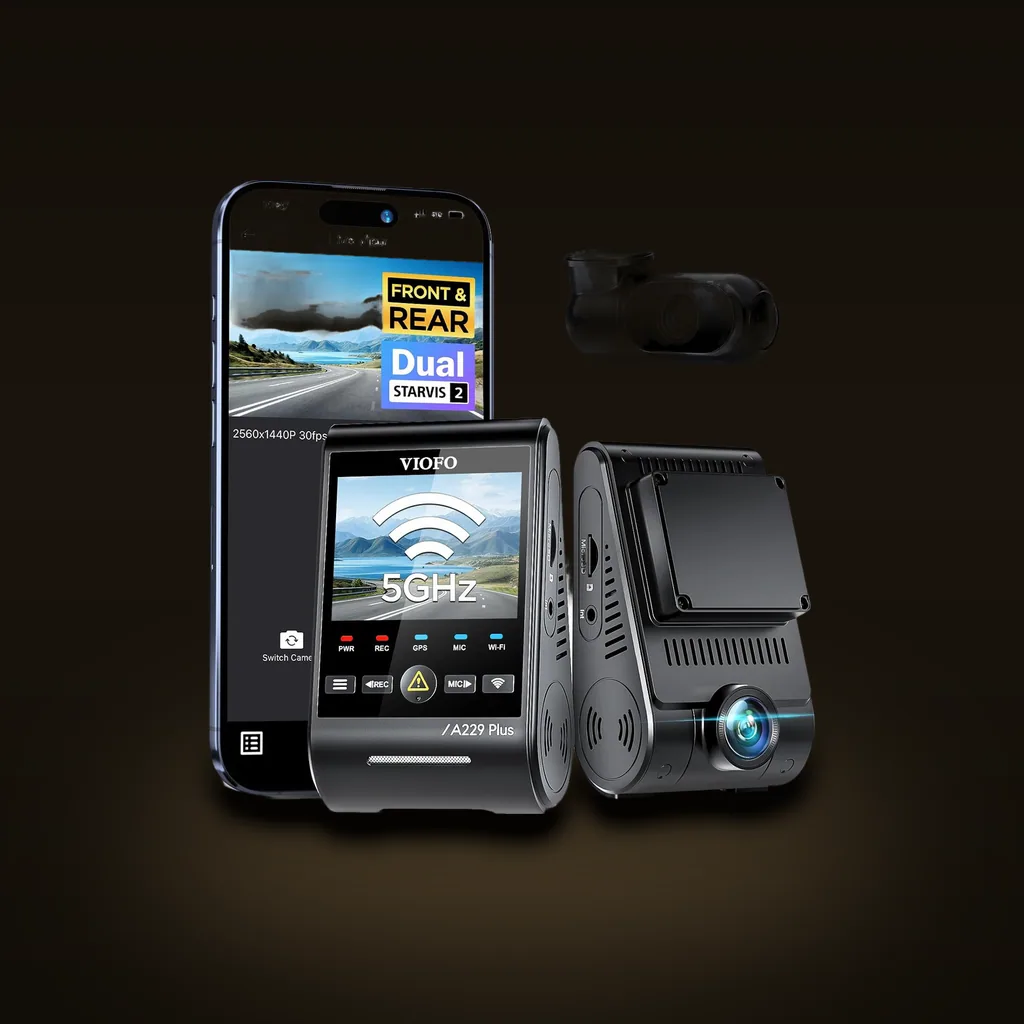
VIOFO A229 Plus (2CH Front + Rear)
The reference-grade front+rear crash-protection setup reviewers keep crowning best-overall — twin STARVIS 2 sensors keep plates legible day and night, exactly the footage that wins an insurance dispute.
Affiliate link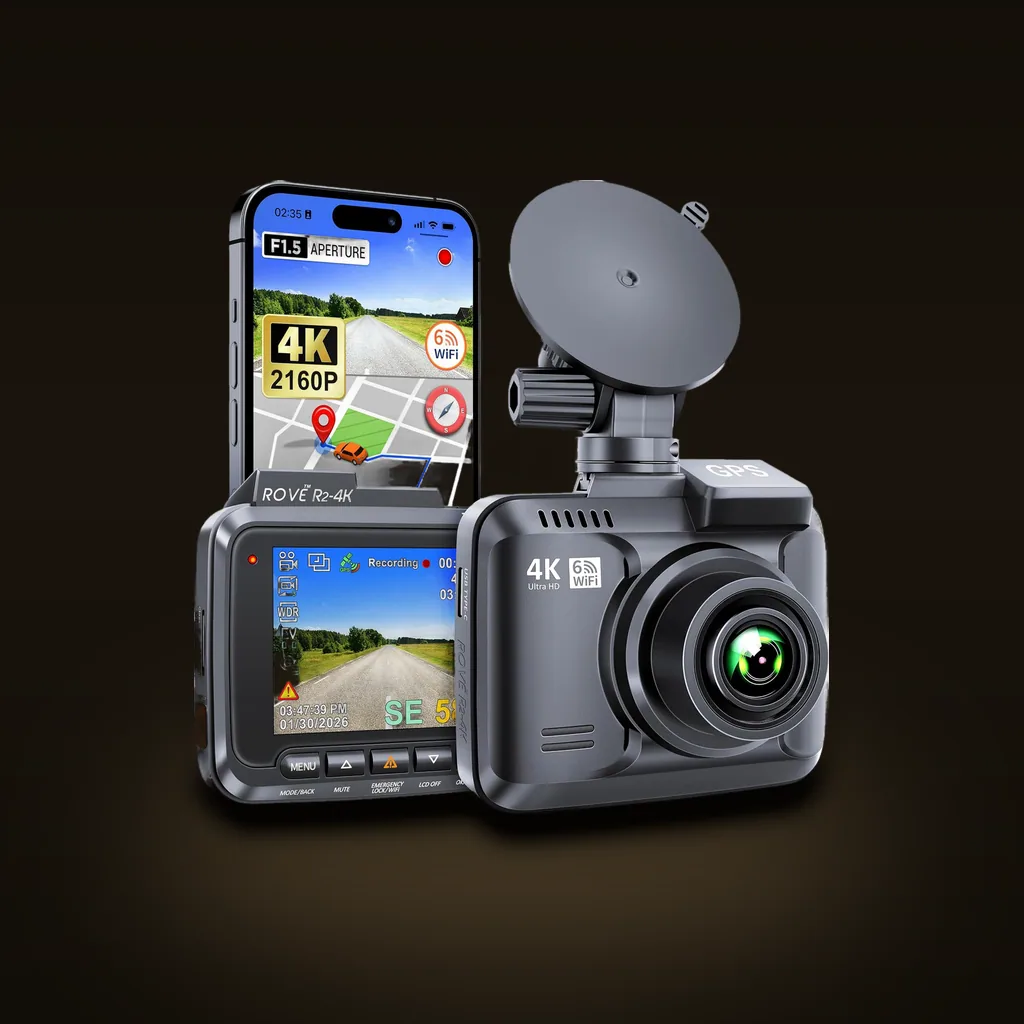
ROVE R2-4K
The internet's default best-budget 4K cam, with one of the largest review counts in the category — sharp 4K footage at a price that makes it an easy yes for most drivers.
Affiliate link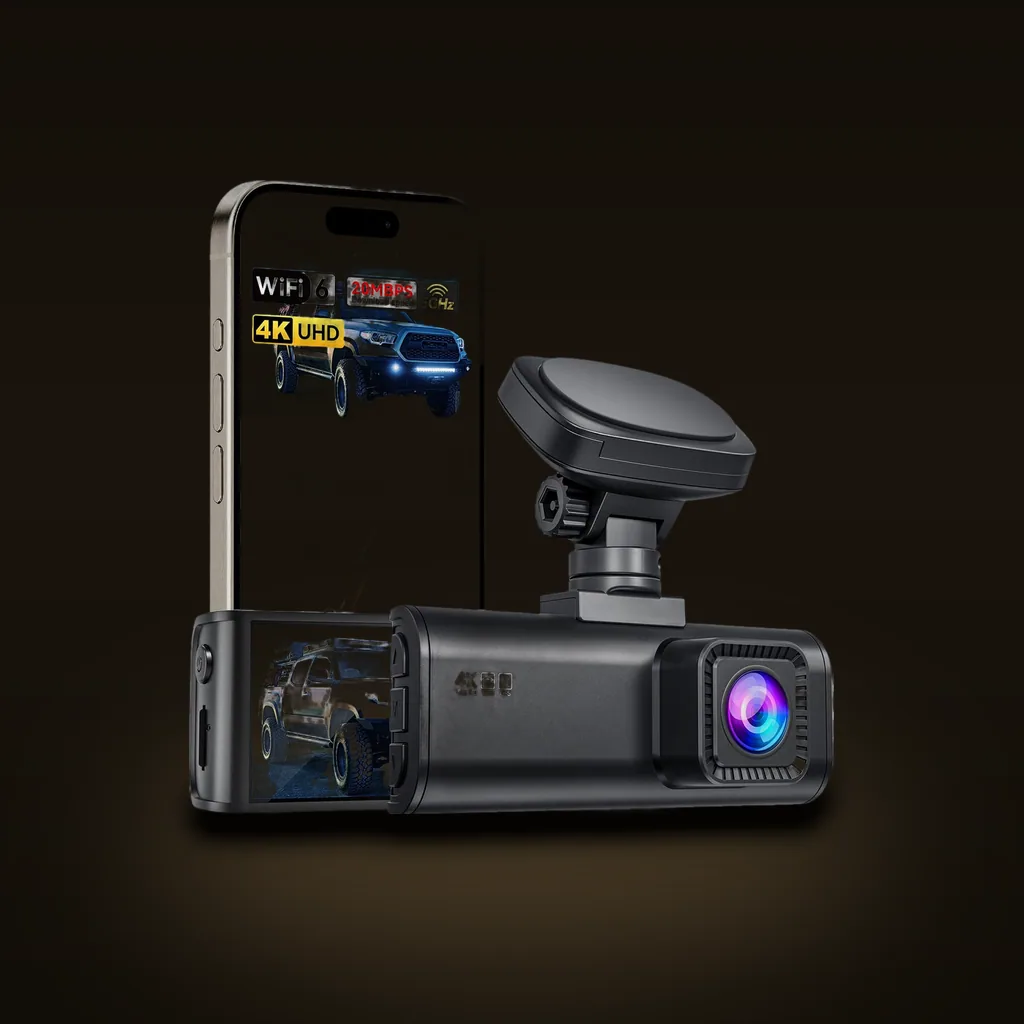
REDTIGER F7N (4K Front + Rear)
A value front+rear dash cam people compare against Rove and Viofo. A memory card in the box plus a bright, easy-to-read screen make it a simple pick for affordable two-way coverage.
Affiliate link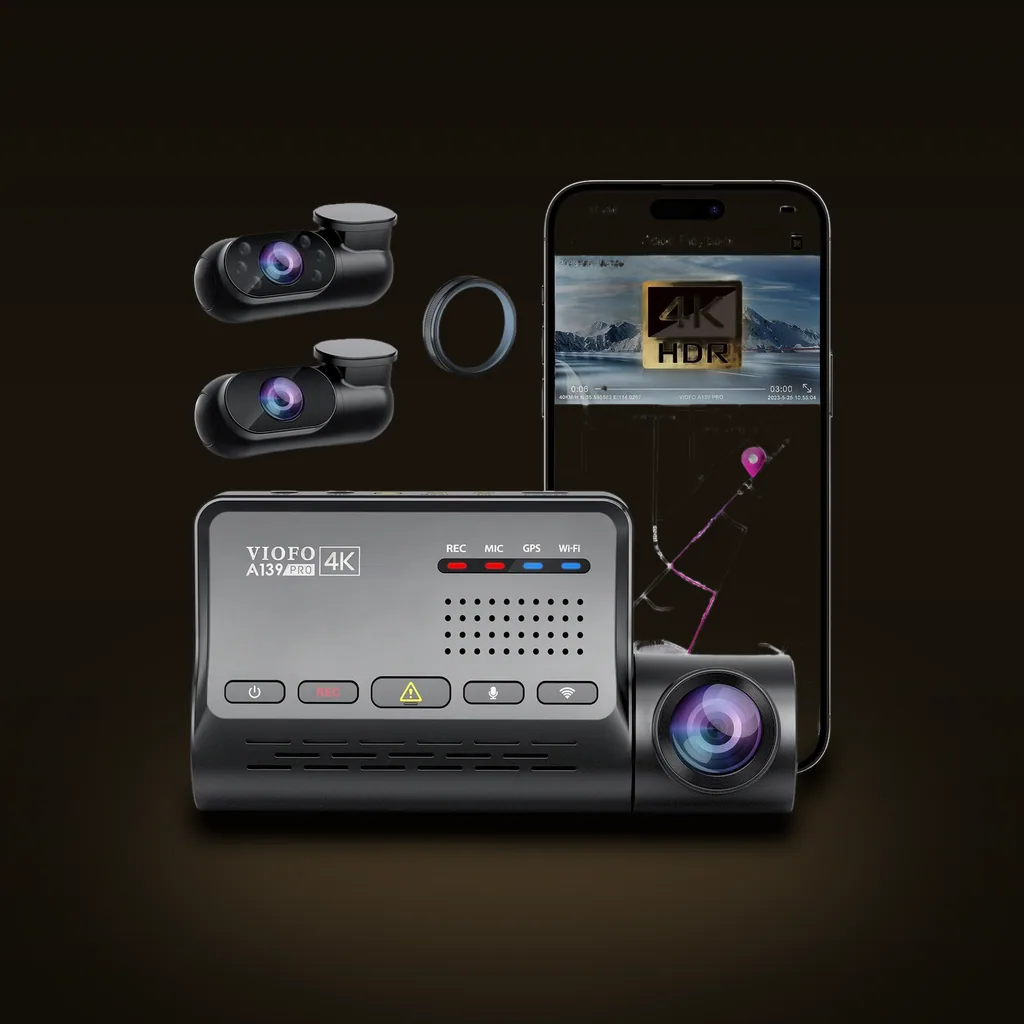
VIOFO A139 Pro (3CH Front + Interior + Rear)
The premium rideshare/fleet answer — true 4K forward detail plus an IR interior channel that documents the cabin. Strong total-coverage angle for professional drivers.
Affiliate linkCommon questions
Do I really need a dash cam if I'm a careful driver?
A dash cam isn't insurance against your own driving — it's proof against everyone else's. Careful drivers still get rear-ended, brake-checked, and backed into while parked, and those are exactly the disputes that turn into your word against theirs. If you commute, rideshare, or park on a public street, the footage is cheap protection. If you garage the car and rarely drive, the exposure is small enough to skip it.
Is a 4K dash cam better than a 1440p one?
Not automatically. The low-light sensor matters more than the resolution: a 1440p Sony STARVIS 2 cam keeps license plates legible at night better than many cheaper '4K' cams that look razor-sharp by day and soften after dark. Night legibility is what settles an insurance claim, so weigh the sensor over the headline megapixels.
Do dash cams keep recording when the car is parked and off?
Only if you power them for it. Every parking mode here needs constant power the accessory socket can't provide once the engine's off — that comes from a hardwire kit or the maker's constant-power cable, usually sold separately. Good kits include a voltage cut-off so they stop before your battery is too low to start. Without the kit, the cam simply sleeps when you park.
Front-only or front and rear?
Front-only covers the crashes you drive into, which is most of them, and it's the fastest install. A rear camera adds the rear-endings and brake-checks that are otherwise impossible to prove, and rideshare or delivery drivers want a third interior channel for the cabin. Match the number of channels to the risk you're actually covering — more cameras means a longer install and a bigger card.
Will a dash cam drain my battery or survive summer heat?
A quality hardwire kit's voltage cut-off protects your battery during parking mode by stopping before it drains too far. For heat, look at what's inside: cams built around a supercapacitor instead of a lithium battery — like the VIOFO A119 Mini 2 — tolerate a baking windshield far better than battery-based units, which is the main reason cheap cams die after a couple of summers.
Keep reading
The Best Dash Cams, Compared
The dash cam that saves you isn't the one with the biggest number on the box — it's the one whose footage a claims adjuster can actually read. Here's every pick compared by the specs that decide a dispute: resolution, coverage, and night legibility.
Read moreJump StartersThe Best Portable Jump Starters, Compared
Peak-amp numbers are marketing — what actually starts your car is whether the unit is rated for your engine. Here's every pick compared by the specs that decide it: engine size, cranking power, and what else it does.
Read moreTire InflatorsThe Best Cordless Tire Inflators, Compared
A dead tire in a dark parking lot is not the moment to discover your pump is junk. We compared the real cordless inflators worth keeping in the trunk — by max pressure, power source, and the features that actually matter.
Read moreThe gear actually worth buying — one email a week.
The car, power, cooling, and work-utility gear worth owning — with the honest catch on each. One genuinely useful email a week. No spam, no fake reviews, unsubscribe anytime.
- No spam
- One email a week
- Unsubscribe anytime