What to Keep in Your Car: The Roadside Emergency Kit (2026)
The gear that turns a breakdown into an inconvenience — organized by what actually goes wrong, and honest about what to buy first versus what can wait.
The short answer
The fastest way to a real kit is three buy-first tools plus a cheap base box. A NOCO GB40 jump starter, a Fanttik X8 cordless inflator, and Wagan FRED LED flares cover the three most common breakdowns. Add a First Aid Only kit and a resqme escape tool, and you're ahead of nearly every driver on the road.
Disclosure · As an Amazon Associate, BlackBox Supplies earns from qualifying purchases — at no extra cost to you. See our full disclosure.
Build it in three layers, not one 76-piece box
Most drivers do one of two things: nothing, or they buy a boxed AAA-style kit, toss it in the trunk, and never look at it again. Boxed kits are a fine base, but they share one blind spot — they're heavy on gauze and zip ties and light on the two tools that actually get you moving again: a jump starter and an inflator. Neither fits in a 76-piece box, so neither is in it.
So think in layers instead of one purchase. Layer one is the small handful of things that solve the breakdowns you're statistically most likely to hit. Layer two is cheap insurance against rarer but nastier situations. Layer three is climate- and skill-dependent extras. Buy layer one this week; add the rest over a few paychecks.
The chart below is the whole article in one view — what to buy first, what each thing solves, and whether we'd call it a must-have or a nice-to-have. Prices are approximate ranges from current listings.
| Priority | Item | Solves | Approx. | Verdict |
|---|---|---|---|---|
| Buy first | Jump starter (NOCO GB40) | Dead battery — with no second car needed | $80–100 | Must-have |
| Buy first | Cordless inflator (Fanttik X8) | Slow leak / soft tire | $70–90 | Must-have |
| Buy first | LED flares or triangles | Being seen on a shoulder at night | $25–45 | Must-have |
| Buy first | First-aid kit | Injuries, minor to serious | $13–22 | Must-have |
| Add later | Escape tool (resqme) | Trapped after a crash or submersion | $10–15 | High value, low cost |
| Add later | Fire extinguisher (First Alert AUTO5) | Small engine / electrical fire | $20–30 | Situational insurance |
| Add later | Tire plug kit (Boulder Tools) | A puncture you can actually repair | $25–35 | Nice-to-have (needs skill) |
| Add later | Traction mats (MAXSA) | Stuck in snow, mud, or sand | $40–65 | Climate-dependent |
| Add later | Mylar blankets | Stranded in the cold | $10–15 | Cheap insurance |
Dead battery: the #1 roadside failure
A drained battery is the single most common reason a car won't move — a dome light left on overnight, a battery quietly aging past its fifth winter, short trips that never let it fully recharge. It's also the failure with the biggest gap between the old fix and the modern one.
The old fix is jumper cables, and you should still keep a good set — the Energizer 1-gauge, 800A, 25-foot cables are heavy enough to actually deliver current and long enough to reach a car parked nose-to-nose. But cables only work if a second car stops and its driver knows how to help. That's a lot of ifs on a dark shoulder at 11 p.m.
A lithium jump starter removes every one of those ifs. The NOCO GB40 (1000A) is the default recommendation for a reason: it's rated by NOCO for gas engines up to 6.0L, its clamps are spark-proof and reverse-polarity protected so a backwards hookup won't fry anything, and it doubles as a USB power bank for a dead phone. One honest catch that applies to every lithium pack — it self-discharges, so a unit ignored for a year may greet you half-empty. Top it off every 3–6 months and before winter. If you tow or drive a diesel, size up to a 2000A-class pack instead (we cover exactly how much you need in the jump-starter sizing guide).
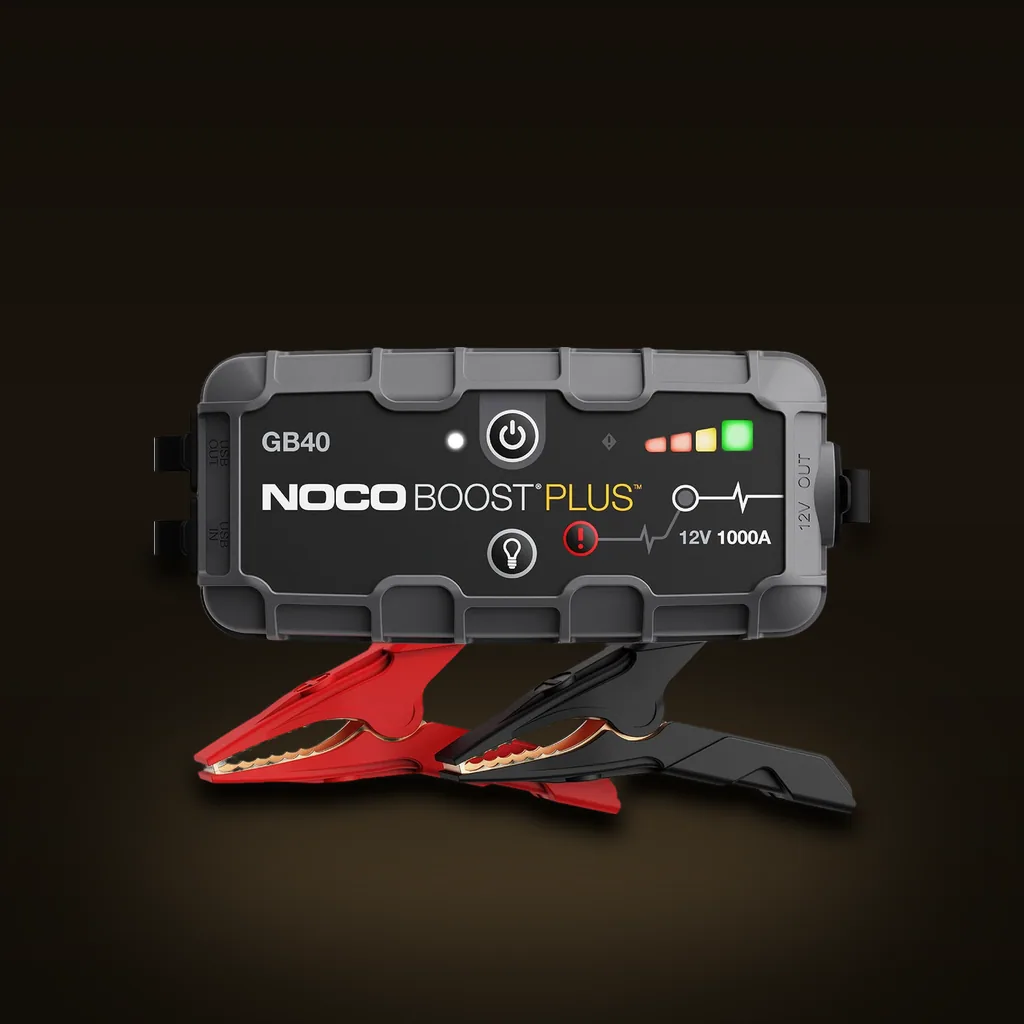
NOCO Boost GB40 1000A UltraSafe Lithium Jump Starter
The default best-overall. Trusted for honest (not inflated) amp ratings, UltraSafe spark-proof + reverse-polarity protection, and a genuinely pocketable size — the unit everything else is compared against.
Affiliate link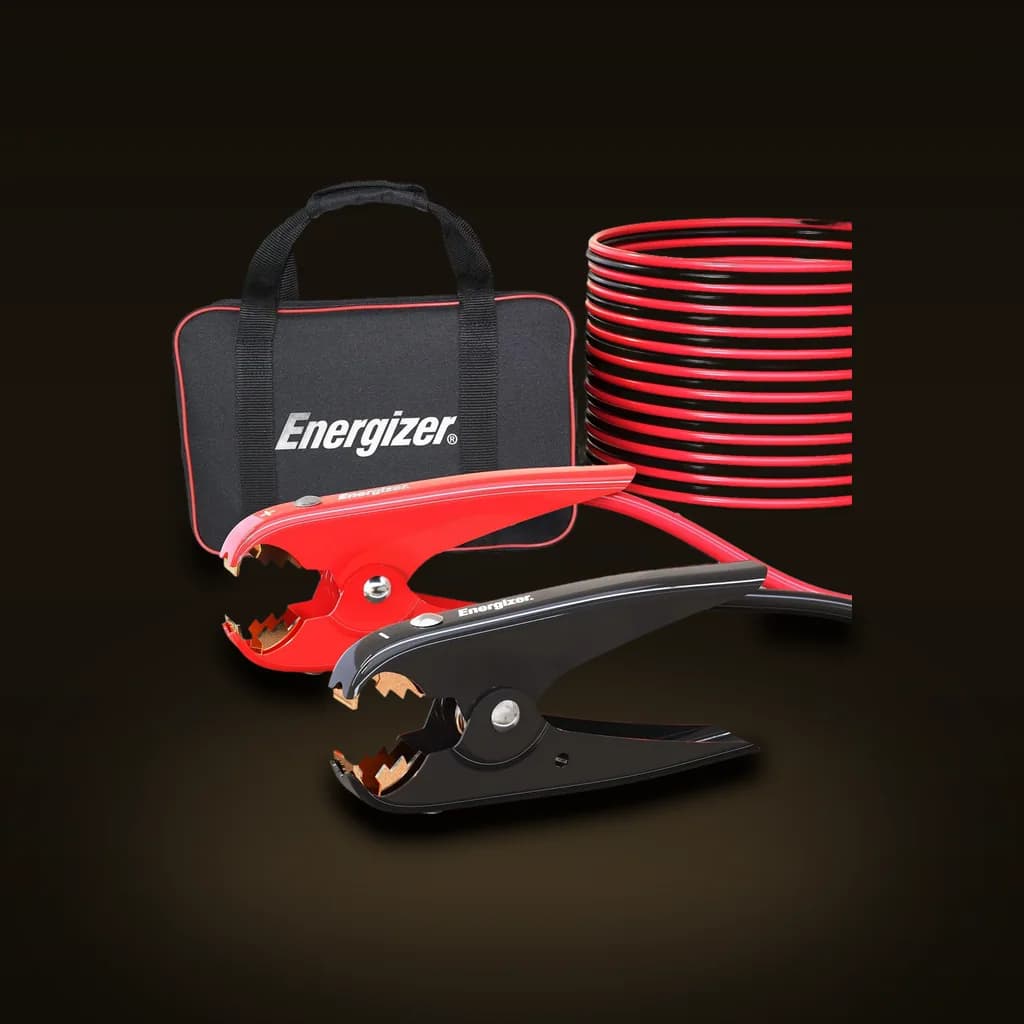
Energizer 1-Gauge 800A Heavy Duty Jumper Cables, 25 ft
A dead battery is the #1 roadside call. The heavy 1-gauge build carries enough current to crank trucks and SUVs, and 25 feet reaches a battery even when you can't park nose-to-nose. Reputable brand, strong reviews.
Affiliate linkFlat tire: air first, repair second
Not every flat is a blowout. A slow leak, a nail, or a tire that just lost pressure over a cold week is far more common — and all three are fixable at the roadside if you can put air in. That's why an inflator, not a spare, is the tool most people are actually missing.
The Fanttik X8 APEX is a cordless inflator that tops off a car tire in about a minute, with an auto-stop you set to your target PSI so you're not squinting at a gauge in the dark. Cordless is the right call for roadside use — no cable to run, and it works even if the car's battery is the thing that died. The tradeoff is battery management: charge it on the same schedule as your jump starter. If you'd rather never think about charging, a corded 12V unit like the EPAuto plugs into the accessory socket and runs as long as the car does — cheaper, zero maintenance, but it needs the car to have power.
Air buys you time; a plug kit can buy you the whole repair. The Boulder Tools plug kit lets you fix a tread puncture without removing the wheel — a genuinely satisfying roadside win. Be honest with yourself about whether you'll practice with it once in the driveway, though. A plug kit you've never opened is not a skill you have at midnight.
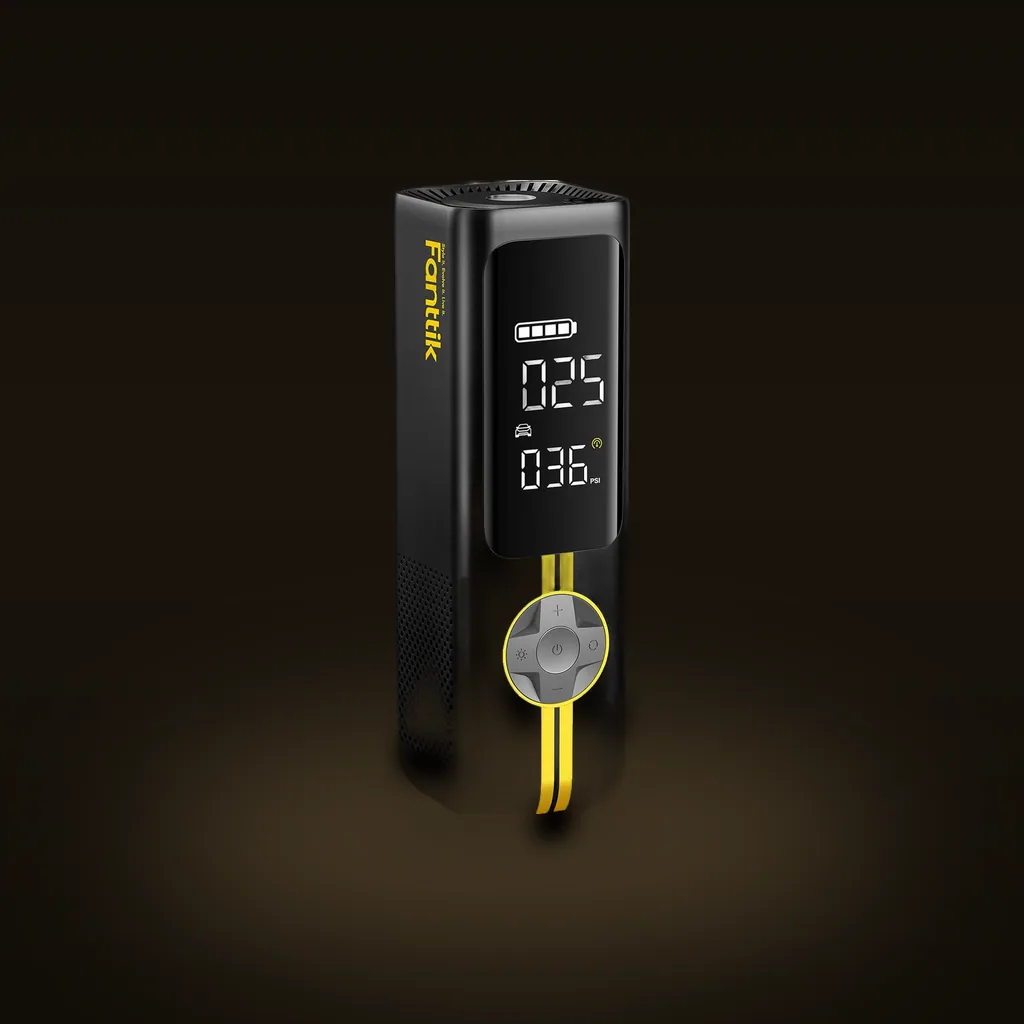
Fanttik X8 APEX Portable Tire Inflator (150 PSI Cordless)
Reviewers repeatedly name it the best overall cordless — fastest inflation, longest runtime, best build in the pocket-inflator class, ~±1 PSI accuracy.
Affiliate link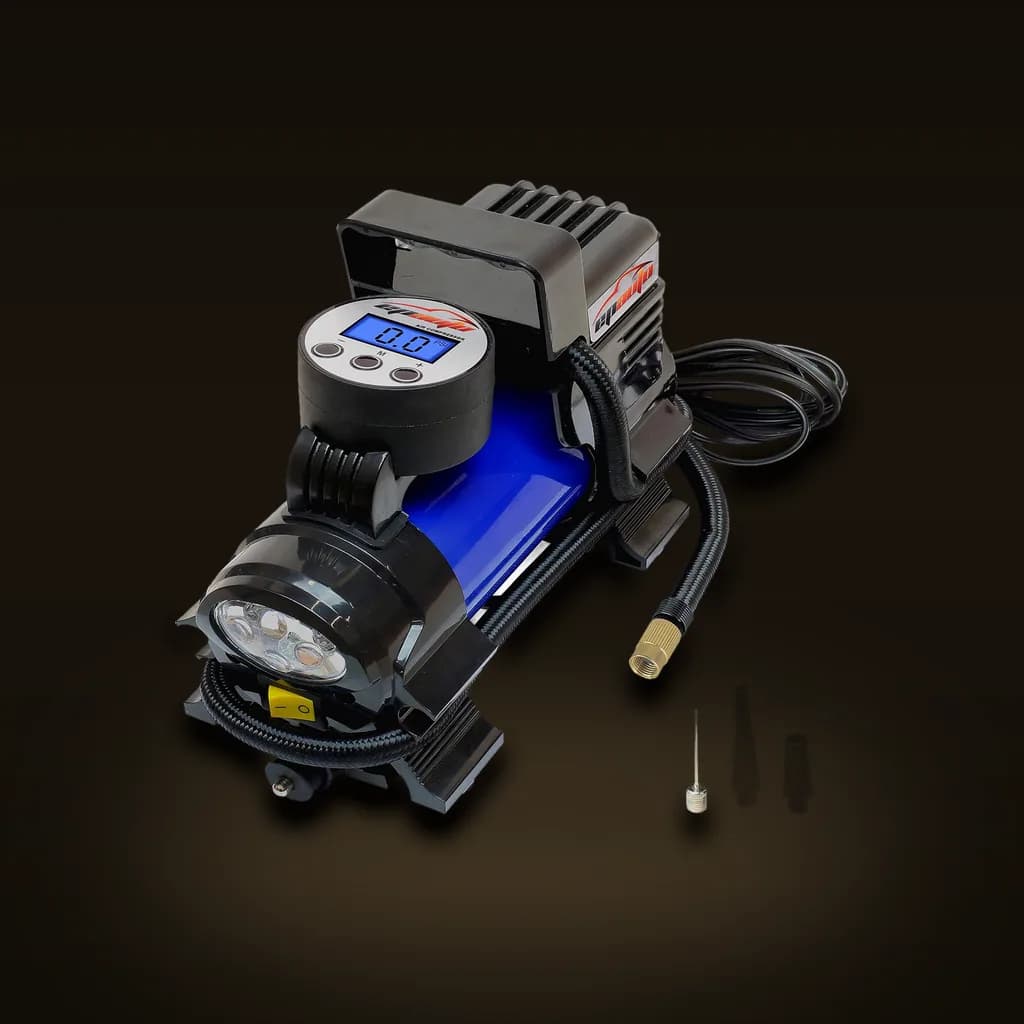
EPAuto 12V DC Portable Air Compressor Pump (Corded Value Pick)
Cheapest reliable pick and always ready off the car's battery (never needs charging).
Affiliate link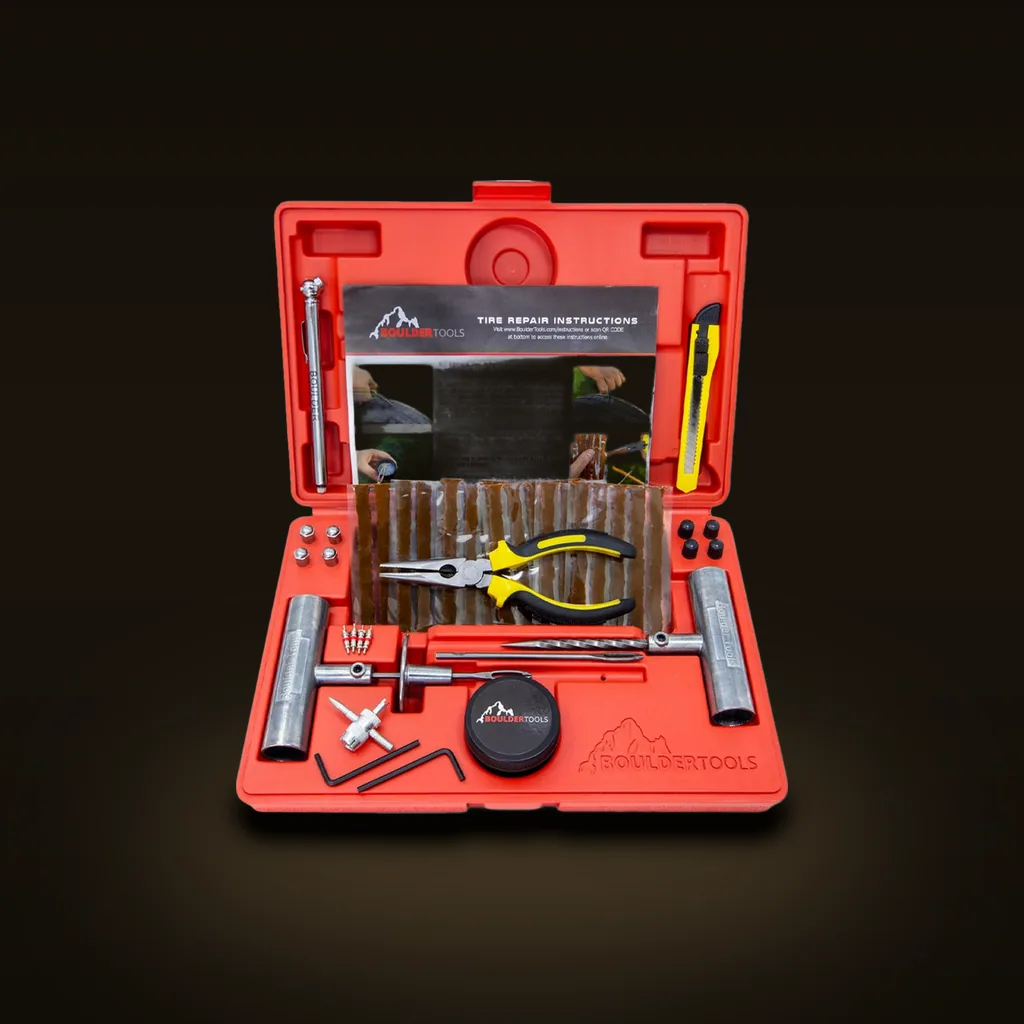
Boulder Tools Heavy Duty Tire Repair / Plug Kit
A screw or nail in the tread doesn't have to end the trip. The well-reviewed heavy-duty pick that actually plugs a puncture at the roadside so you can reinflate and drive to a shop.
Affiliate linkStuck or on a dark shoulder: being seen is the whole game
The most dangerous part of a breakdown usually isn't the mechanical failure — it's standing near moving traffic that can't see you. Get the car as far off the road as you can, get everyone out on the non-traffic side, and put warning markers well upstream: at least 100 feet on a road, more on a highway, so a driver has time to move over.
For markers, LED beats fire. The Wagan FRED LED flares are reusable, magnetic, weather-resistant, and carry none of the burn risk of old road flares — a 3-pack lets you build a line back toward oncoming traffic. Reflective triangles like the DOT-approved CARTMAN set are the passive backup: no batteries, always work, and legally expected if you drive anything commercial. Keep a light too — the NEBO Big Larry 3 is a rechargeable magnetic work light that sticks to the car so both hands are free while you work or flag help.
Being physically stuck — snow, mud, a sandy shoulder — is a different problem with a cheap answer. MAXSA Escaper Buddy traction mats wedge under the drive wheels to give them something to bite. They're climate-dependent; if you never see snow or off-pavement, skip them. If you do, they're the difference between driving out and waiting for a tow.
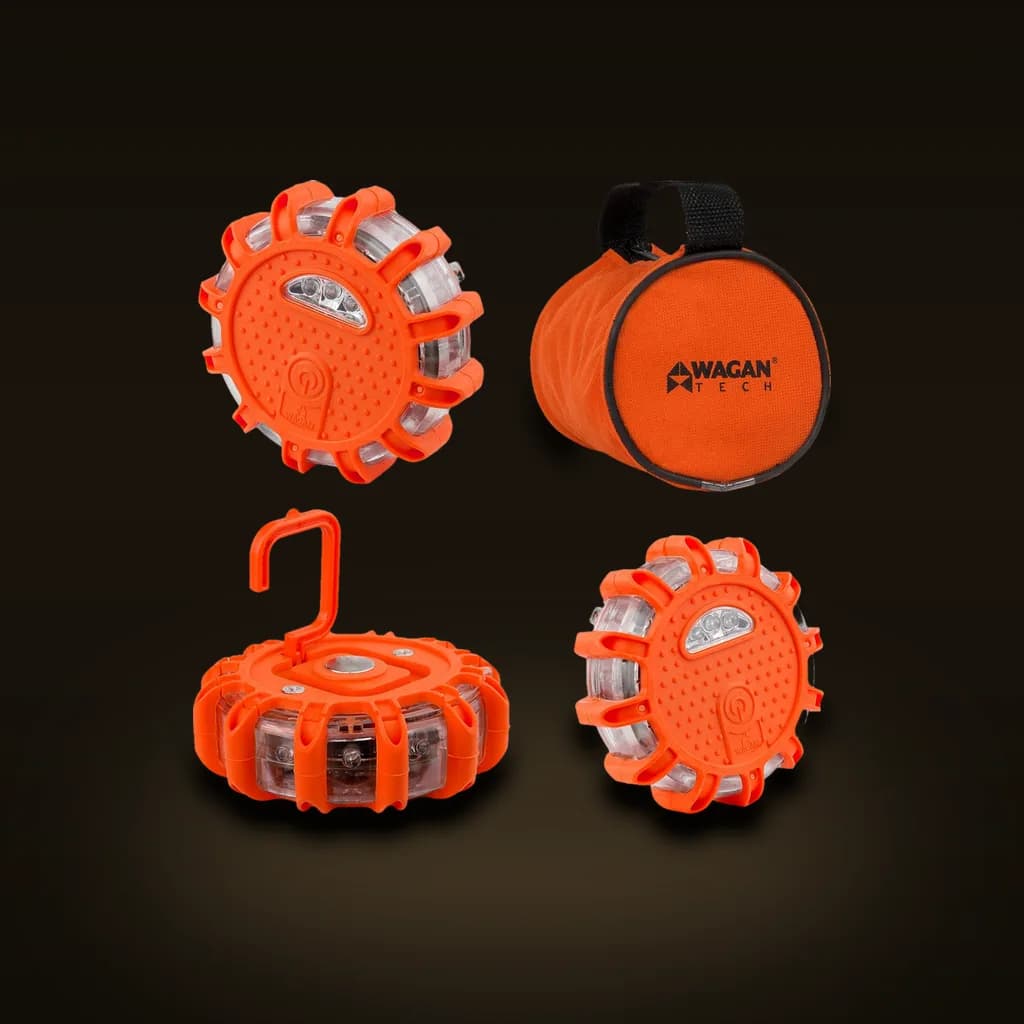
Wagan FRED Flashing Roadside Emergency LED Flare (3-Pack)
A reusable, non-flame alternative to burning flares: no fire risk near fuel, weatherproof, visible from a distance. Set them behind a breakdown at night and be seen before you're hit.
Affiliate link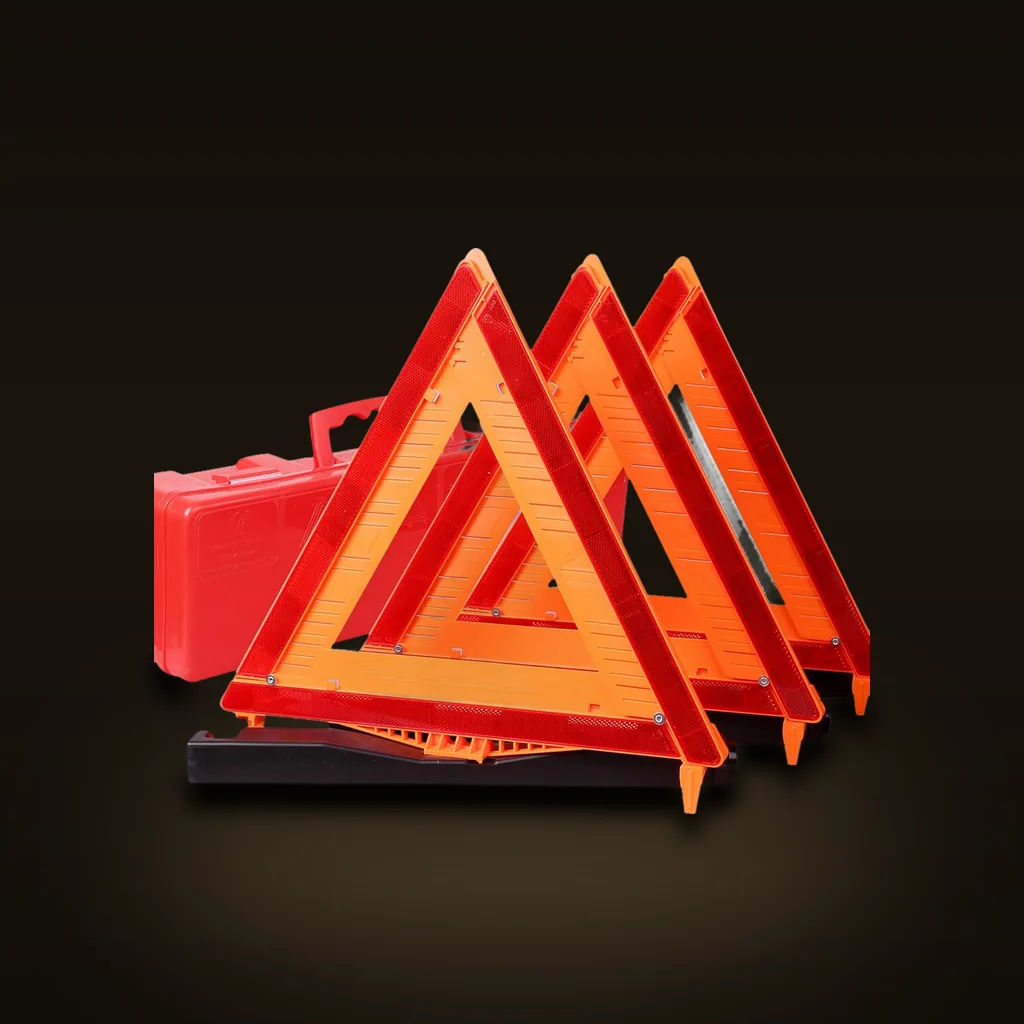
CARTMAN Reflective Warning Triangle Kit (3-Pack, DOT Approved)
The passive, no-battery way to warn oncoming traffic day or night. Placed behind a stopped vehicle, they buy crucial seconds of visibility — cheap, legally recognized insurance.
Affiliate link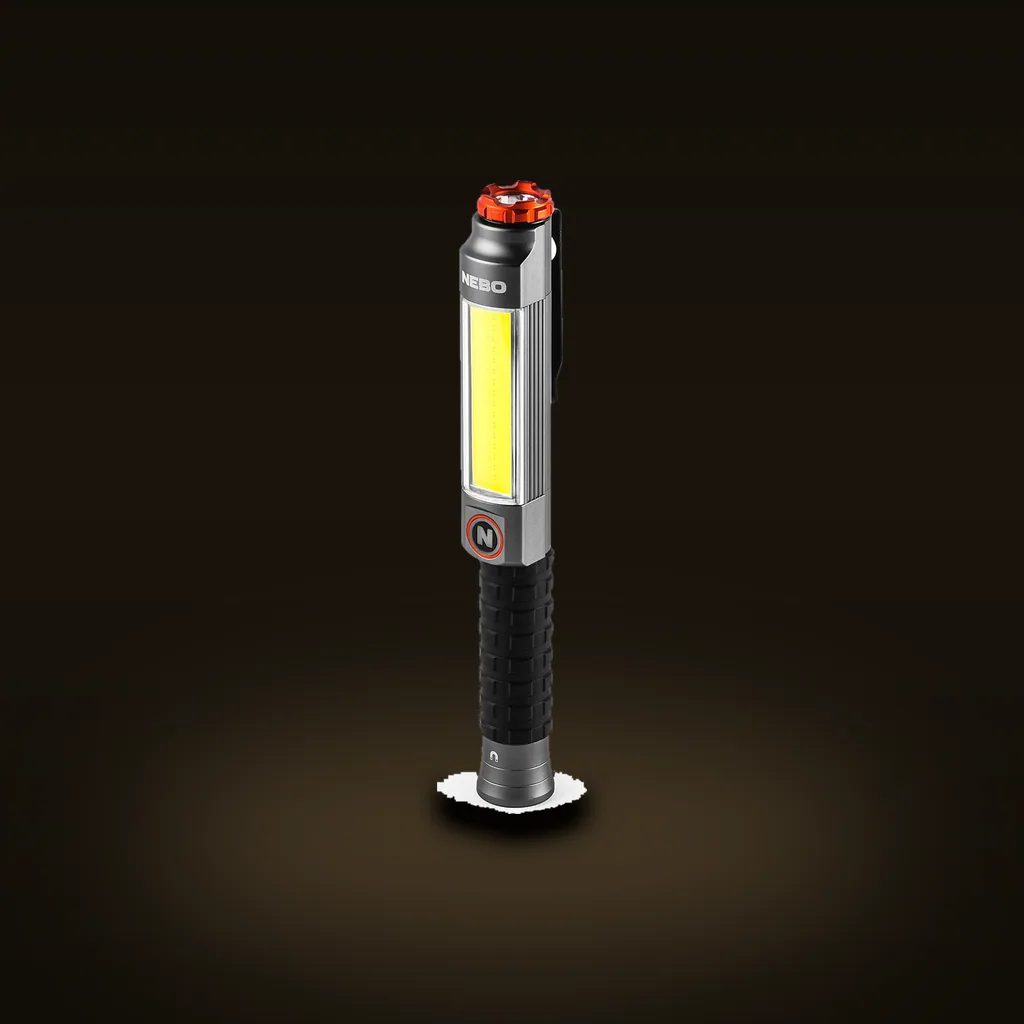
NEBO Big Larry 3 Rechargeable Magnetic Work Light
Changing a tire or checking under the hood at night needs hands-free light. The magnetic base sticks to the fender so both hands stay free, and rechargeable means no dead AAAs when it matters.
Affiliate link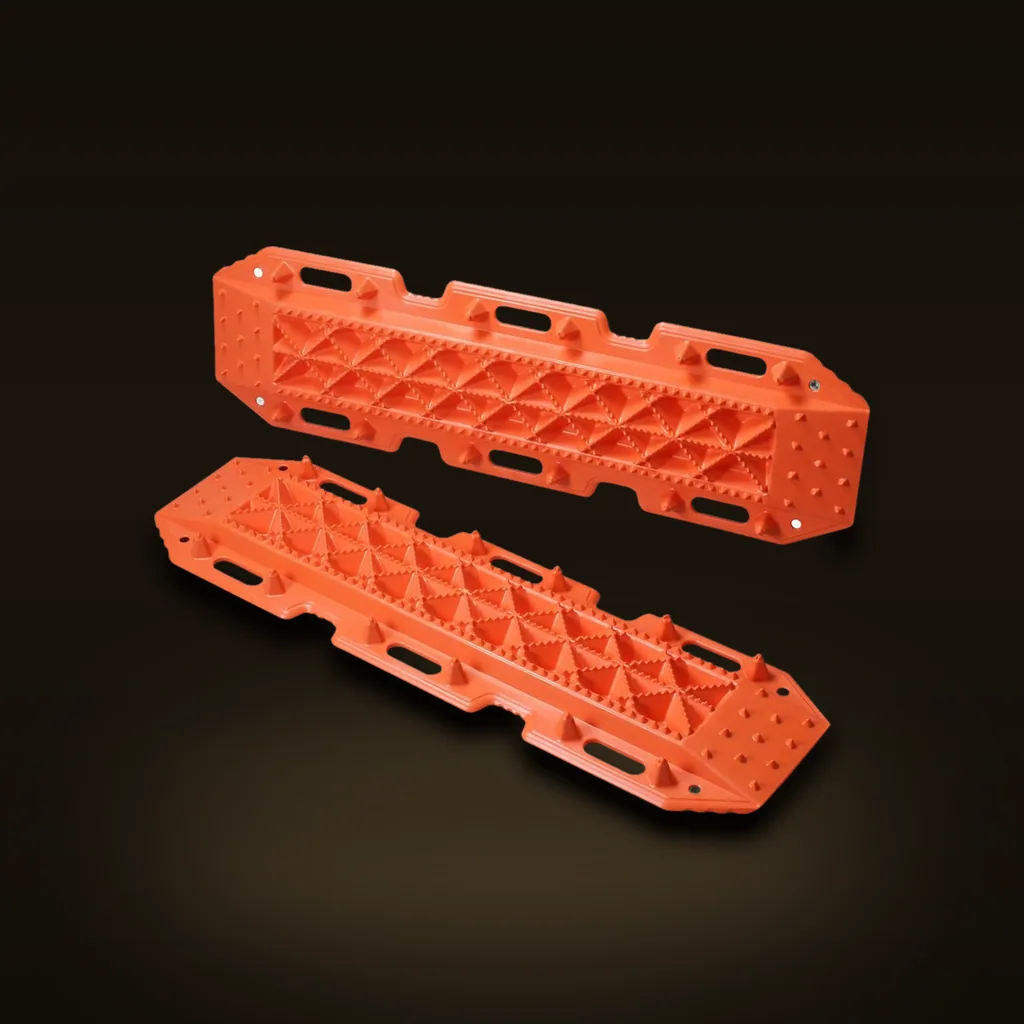
MAXSA Escaper Buddy Traction Mats (2-Pack)
The self-rescue tool for winter with no second vehicle needed. The reputable MAXSA line uses high-strength polymer with aggressive tracks so you can drive yourself out.
Affiliate linkFire and being trapped: low odds, unforgiving stakes
These are the items you hope to never touch, which is exactly why people skip them — and why keeping them costs so little for the downside they cover. The rule for both: mount them where you can reach them from the driver's seat. A fire extinguisher or escape tool buried in the trunk might as well be at home.
The First Alert AUTO5 is a compact, UL-rated 5-B:C extinguisher built for a vehicle. Set expectations honestly: it will not fight a fully involved car fire, and if the cabin is alight you get out and get clear, full stop. What it does do is smother a fire in its first 30 seconds — an engine-bay flare-up, an electrical short, a spill that just caught — which is when almost every survivable car fire is stopped.
The resqme is a keychain-sized seatbelt cutter and spring-loaded window breaker, and it belongs within arm's reach — clipped to the visor or a vent, never in the glovebox and never the trunk. After a serious crash or a submersion, a jammed door and a seatbelt that won't release are the two things that trap people; a $10–15 tool solves both in seconds. Round out this layer with Swiss Safe mylar blankets: a few dollars, packs down to nothing, and turns a night stranded in the cold from dangerous into merely miserable.
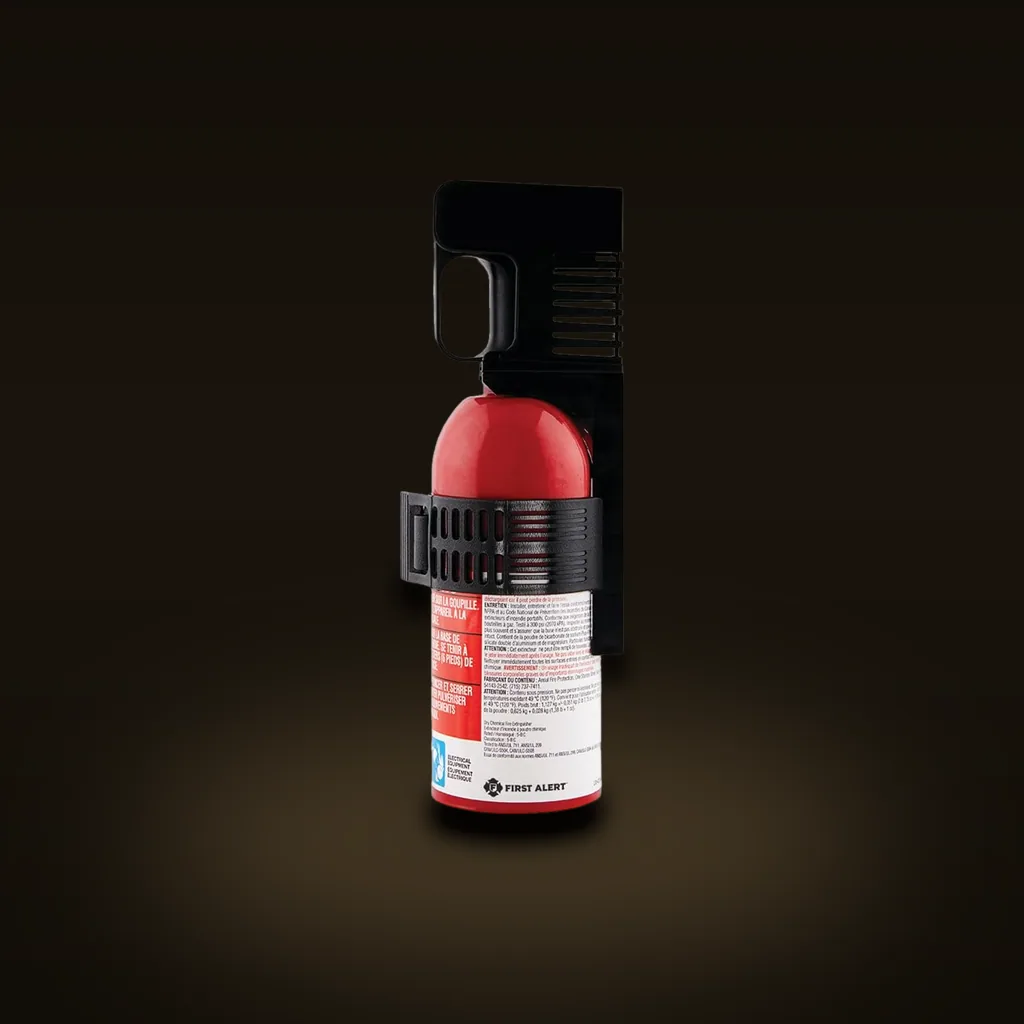
First Alert AUTO5 Car Fire Extinguisher (UL Rated 5-B:C)
One of the few trunk items that protects both the car and the people in it. First Alert is a household-trusted fire-safety name, and the bracket keeps the unit secured and reachable.
Affiliate link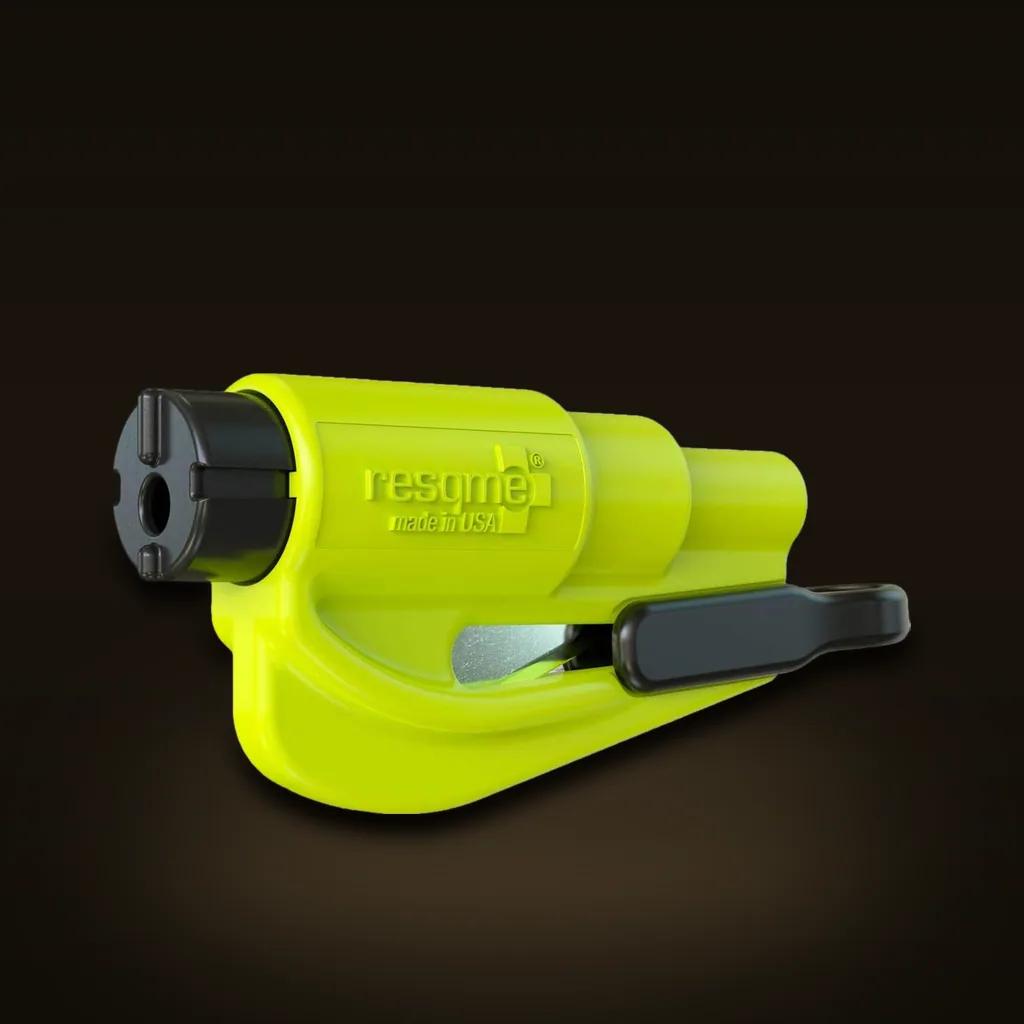
resqme The Original Car Escape Tool — Seatbelt Cutter + Window Breaker
The single tool that turns a trapped-in-the-car emergency — submersion, post-crash, a jammed belt — into a five-second exit. Made in USA, originally issued to first responders. The standout glass-break moment for a reel.
Affiliate link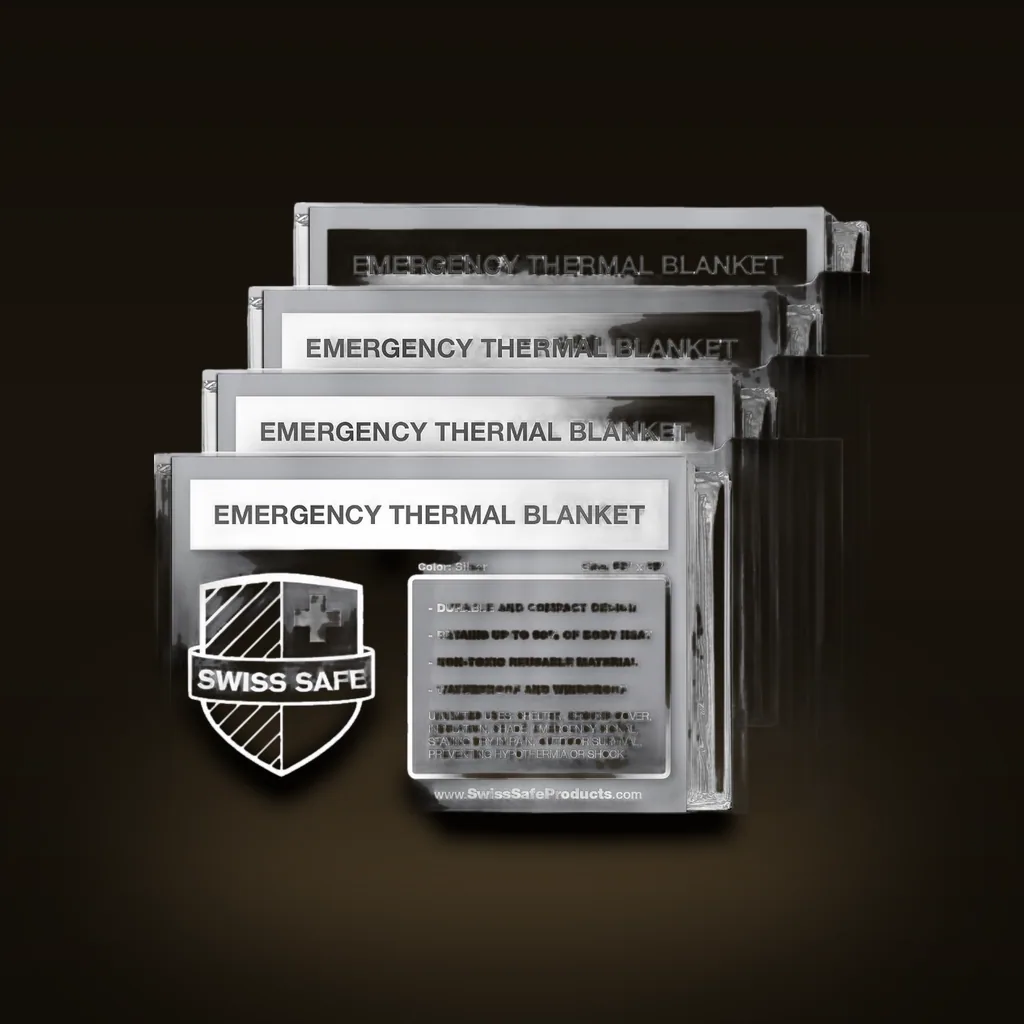
Swiss Safe Emergency Mylar Thermal Blanket (4-Pack)
Being stranded in the cold is a real risk after a breakdown. These weigh almost nothing, cost little, and keep occupants warm while waiting for help.
Affiliate linkFirst aid, the base box, and the mistakes people make
First aid is the one must-have with no clever tool behind it — you just need supplies within reach before you need them. The First Aid Only 298-piece kit is the sensible default: enough bandages, gauze, antiseptic, and wraps for the cuts, scrapes, and pressure-on-a-wound moments that make up the vast majority of roadside injuries. It's cheap enough that there's no reason to drive without one.
If you'd rather start with a single box, a bundle like the Lifeline 4388AAA 76-piece roadside kit gathers jumper cables, basic first-aid supplies, and safety odds-and-ends into one grab bag — a legitimately good foundation. Just remember what a box like this is and isn't: it's the small stuff done conveniently, not a substitute for the jump starter and inflator that live in layer one.
A note on how we choose: these picks come from manufacturer specs, stated ratings, and long-term owner reviews weighed against each other — not from our own lab bench. We don't test these products in a garage and won't pretend to. Prices are approximate and drift with the market. What we can do is point you at the items that consistently earn their spot, and be straight about the tradeoffs.
- Burying the reach-me tools — A trunk extinguisher or a glovebox escape tool is useless in the moment you need it. Mount both within arm's reach of the driver.
- Letting the lithium die — A jump starter and cordless inflator are only as ready as their last charge. Top both off every 3–6 months and before winter.
- Buying the box and stopping — A 76-piece kit feels like being done. It isn't — the two failures you're most likely to face (dead battery, soft tire) still aren't covered.
- Never practicing the plug kit — A tire plug kit is a skill, not just an object. Try it once in the driveway so midnight isn't the first time.
- Skipping the seasonal check — Twice a year, glance at the extinguisher gauge, swap expired first-aid items, and confirm nothing's been robbed for a road trip and never returned.
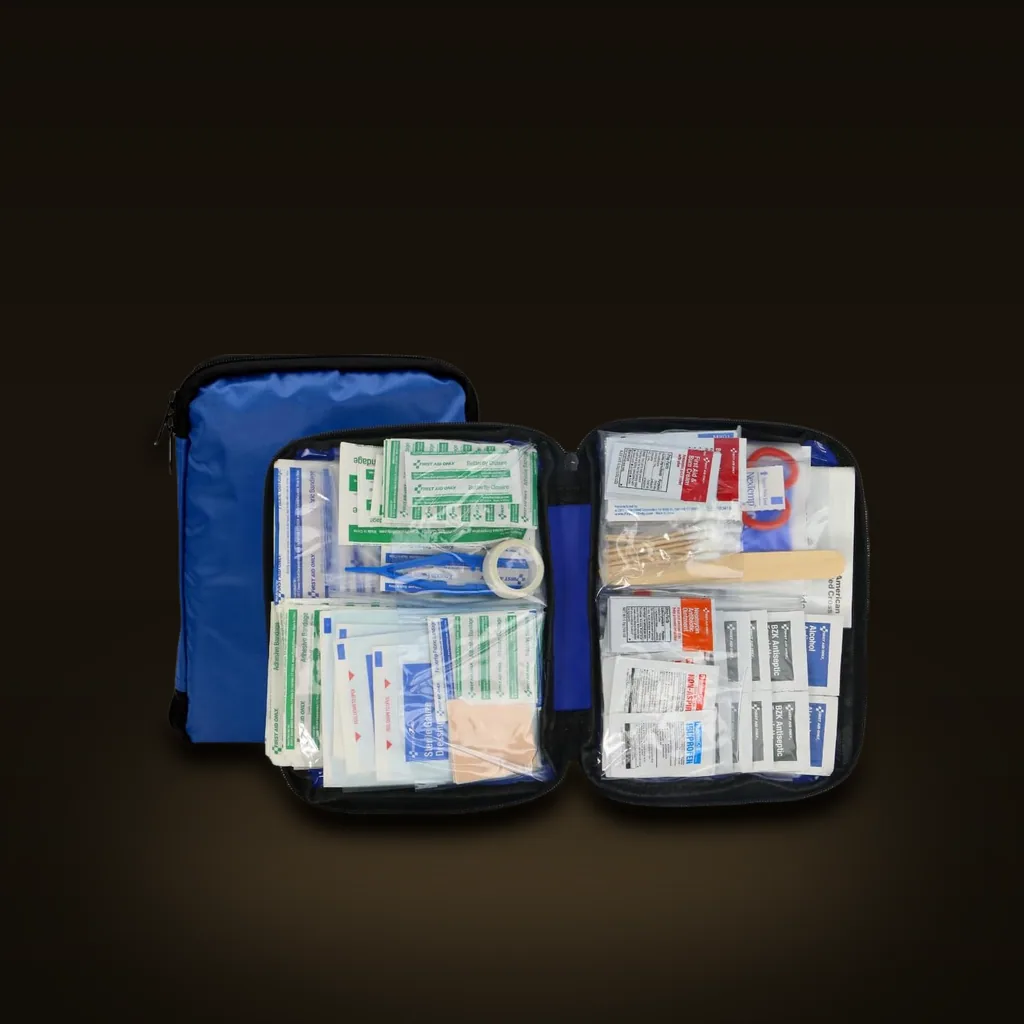
First Aid Only 298-Piece All-Purpose First Aid Kit
A properly stocked kit belongs in every vehicle for the minor scrapes and cuts that happen on the road. First Aid Only is a widely trusted brand, and the clear pockets make it easy to find what you need.
Affiliate link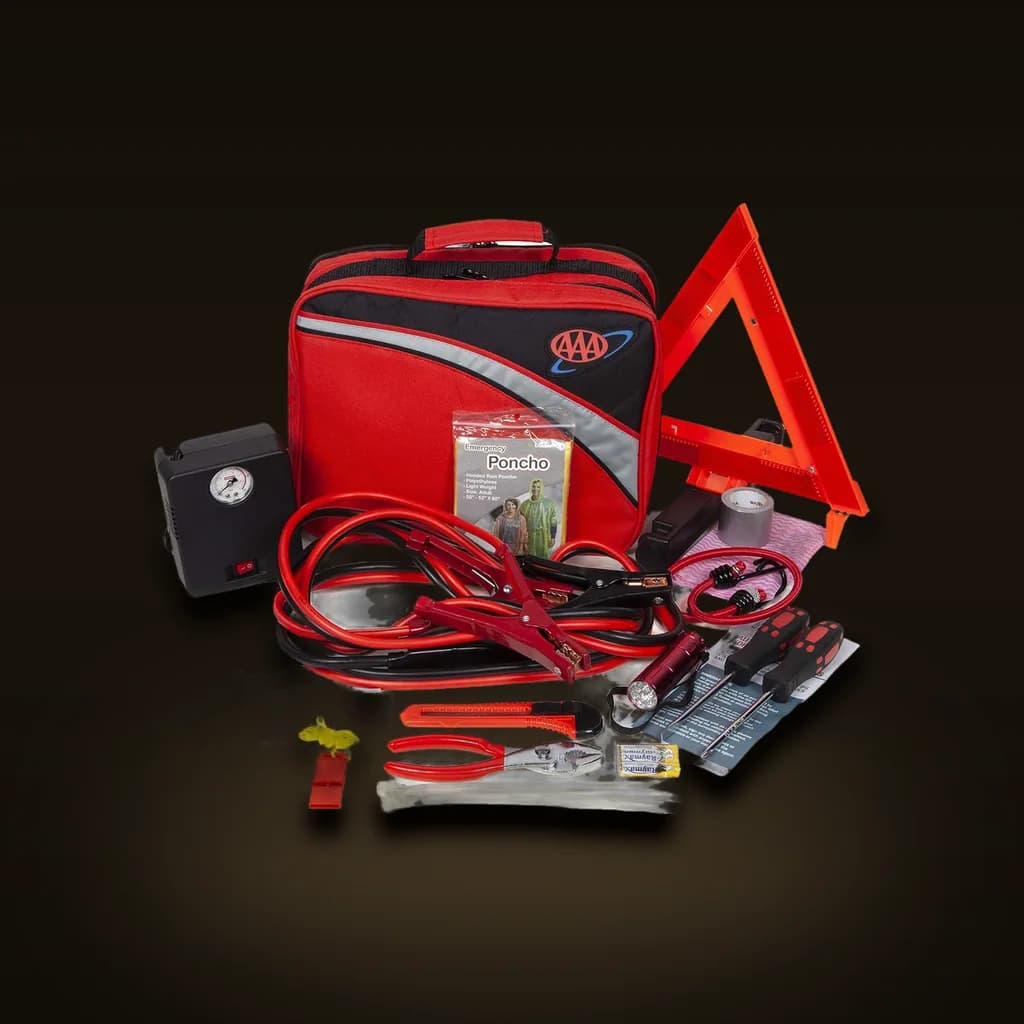
Lifeline 4388AAA Excursion Road 76-Piece Roadside Assistance Kit
The fastest way to cover most roadside scenarios in one purchase, from the AAA co-developed Lifeline line buyers already trust. The natural anchor for a what-belongs-in-your-trunk guide.
Affiliate linkCommon questions
If I only buy one thing, what should it be?
A lithium jump starter like the NOCO GB40. A dead battery is the most common breakdown there is, and a jump starter is the only fix that doesn't depend on a second car stopping to help. It also charges a dead phone, which is your other lifeline on a shoulder.
Do I really need a fire extinguisher in my car?
It's situational insurance, not a daily must-have — but a small UL-rated unit like the First Alert AUTO5 costs $20–30 and can smother a fire in its first 30 seconds, which is when nearly every survivable car fire is stopped. Mount it within reach of the driver, not in the trunk. If a fire is already large, get out and get clear instead.
Are boxed AAA-style kits like the Lifeline 76-piece worth it?
As a base, yes — they bundle jumper cables, first-aid supplies, and safety odds-and-ends conveniently and cheaply. Just know their blind spot: they don't include a jump starter or an inflator, which are the two tools that actually address the most common breakdowns. Buy the box for the small stuff, then add those two separately.
Jumper cables or a jump starter — do I need both?
Keep both if you have the space, but prioritize the jump starter. Cables only work when a second car stops and its driver knows how to help; a jump starter lets you rescue yourself with nobody else around. Cables are the backup, not the primary plan.
How often should I check the kit?
Seasonally. Recharge the jump starter and cordless inflator every 3–6 months (and before winter), check the extinguisher's pressure gauge, and replace any expired first-aid items or water. The most common reason a kit fails is a lithium tool that quietly self-discharged to empty.
Keep reading
The Best Portable Jump Starters, Compared
Peak-amp numbers are marketing — what actually starts your car is whether the unit is rated for your engine. Here's every pick compared by the specs that decide it: engine size, cranking power, and what else it does.
Read moreTire InflatorsThe Best Cordless Tire Inflators, Compared
A dead tire in a dark parking lot is not the moment to discover your pump is junk. We compared the real cordless inflators worth keeping in the trunk — by max pressure, power source, and the features that actually matter.
Read moreUseful GearThe Best Everyday-Carry (EDC) Gear Worth Owning (2026)
Five slots — carry, multitool, audio, tracking, and power — plus the premium pick for each and the honest catch on every one.
Read moreThe gear actually worth buying — one email a week.
The car, power, cooling, and work-utility gear worth owning — with the honest catch on each. One genuinely useful email a week. No spam, no fake reviews, unsubscribe anytime.
- No spam
- One email a week
- Unsubscribe anytime