The Best Power Bank for Travel (2026)
How to choose a travel power bank that actually charges your gear — and clears airport security. Capacity, real usable output, USB-C wattage, and the 100Wh airline rule, explained plainly.
The short answer
For most travelers, a 20,000mAh USB-C bank is the sweet spot: enough to refill a phone three to four times, comfortably under the airline's 100Wh carry-on limit, and small enough to live in a jacket pocket. Our researched value pick is the Anker Power Bank 20,000mAh with a built-in USB-C cable, so you're never hunting for a cord at the gate. Step up to the Anker Prime only if you genuinely need to fast-charge a laptop on the move.
Disclosure · As an Amazon Associate, BlackBox Supplies earns from qualifying purchases — at no extra cost to you. See our full disclosure.
Start here: match capacity to how you travel
The single biggest mistake is buying the biggest number you can find. A bigger battery is heavier, slower to recharge, and — past a point — not allowed on the plane. The right size is the smallest one that gets you through your longest travel day.
Two numbers matter. The rated capacity (mAh) is what's printed on the box. The real usable capacity is what actually reaches your phone, and it's always lower — roughly 60-68% of the rating — because the battery's ~3.7V cells have to be stepped up to 5V USB output, and conversion is never free. Plan around the usable figure, not the marketing number.
Watt-hours (Wh) is the third number, and it's the one airport security cares about. Use the chart below to pick a tier, then read the Features and airline sections before you buy.
| Rated capacity | Real usable (approx) | Phone recharges | Laptop? | Airline carry-on |
|---|---|---|---|---|
| 5,000mAh | ~3,000-3,400mAh | ~0.7-1 full phone | No | Yes (~18Wh, far under) |
| 10,000mAh | ~6,000-6,800mAh | ~1.5-2 phones | Trickle only | Yes (~37Wh) |
| 20,000mAh | ~12,000-13,500mAh | ~3-4 phones | Yes, ~1 top-up | Yes (~74Wh) |
| 26,800mAh | ~16,000-18,000mAh | ~4-5 phones | Yes, laptop-capable | Yes, but near the line (~99Wh) — check label |
| Power station (200Wh+) | Many device refills | Dozens | Yes, repeatedly | No — exceeds 100Wh, cannot fly |
The 100Wh airline rule (read this before you fly)
Lithium batteries are regulated by watt-hours, not milliamp-hours, and the thresholds are the same across the FAA, TSA, and international (IATA) rules. Get this wrong and the bank gets confiscated at the checkpoint — or, worse, you pack it in a checked bag and get flagged.
To convert: Wh = (mAh x nominal voltage) / 1000. Most banks use ~3.6-3.7V cells, so a 20,000mAh bank is about 74Wh and a 26,800mAh bank lands around 99Wh. Reputable brands print the Wh figure right on the housing — that number is what security reads, so trust the label over any math you do.
- Under 100Wh — Allowed in carry-on with no airline approval needed. This covers essentially every phone-focused bank up to about 26,800mAh — the vast majority of travel power banks.
- 100Wh to 160Wh — Allowed only with airline approval, and usually capped at two spare batteries per passenger. This is large banks and small power stations.
- Over 160Wh — Banned from passenger aircraft entirely — cabin and cargo hold. Most portable power stations fall here.
- Checked bags — Every spare or portable battery must fly in the cabin, never in checked luggage — no exceptions. A loose bank in a checked bag is the classic way to miss a flight.
Output wattage: phone vs laptop, and why USB-C PD matters
Capacity decides how many charges you get; wattage decides how fast, and whether a laptop will charge at all. USB-C Power Delivery (PD) is the standard that negotiates higher voltages for fast charging — a 100W bank and a laptop will 'handshake' up to a safe speed only if both support PD and the cable is rated for it.
One catch that trips people up: total output is split across ports. A bank rated '100W total' may only push, say, 65W from a single port, or less when two devices are plugged in. If laptop charging is the goal, check the per-port USB-C PD rating, not just the headline total.
- 5-12W (USB-A) — Old-school slow charging. Fine for a keychain bank; painful for a modern phone and useless for a laptop.
- 18-30W USB-C PD — Fast-charges nearly any phone and most tablets. This is the practical minimum for a travel bank in 2026.
- 45-65W USB-C PD — Adds real laptop charging — ultrabooks, MacBook Air, most Windows thin-and-lights refill at close to wall speed.
- 100W+ USB-C PD — Charges larger and gaming laptops at near-wall speed. You need a high-output port and a 100W-rated USB-C cable to actually hit it.
Features that actually matter
Once capacity and wattage are settled, a few features separate a bank you'll love from one you'll leave in a drawer. Skip the gimmicks (built-in flashlights, Qi pads that charge at 5W) and weigh these instead.
- Passthrough charging — Powers a device while the bank itself recharges — a lifesaver when the hotel has one free outlet overnight. It runs hotter and can shorten cell life over years, so treat it as a convenience, not everyday use.
- Built-in cable — A tethered USB-C cable means one less cord to forget or fray in your bag. The trade: you can't swap it out if it wears, so it's a durability question.
- Recharge speed — A bank that takes six hours to refill is a liability on a trip. Look for USB-C PD input of 30W or more — that gets most 20,000mAh banks full in around two hours.
- Display or readout — A digital percentage or watts figure beats four blinking LEDs. Knowing you have 41% left vs. 'two dots' changes whether you top up before a long flight.
- Port count and mix — At least one high-wattage USB-C PD port is non-negotiable; extra ports let you split a charge across phone, watch, and earbuds at once.
Our researched picks
These picks are researched from manufacturer specs and verified owner reviews — they are not personally lab-tested here. Prices are approximate and move with sales, so treat the ranges as ballpark.
Anker Power Bank 20,000mAh (with built-in cable) — the value sweet spot. At roughly 74Wh it's well under the 100Wh limit, and the integrated USB-C cable means you're never digging for a cord at the gate. It's phone-and-tablet class output with enough headroom to top up a thin laptop in a pinch. Best for the traveler who wants one honest bank and no fuss.
Anker Prime Power Bank (27,650mAh) — the high-output pick. It sits right at the top of what's still carry-on legal; the manufacturer rates it just under the 100Wh ceiling, but always confirm the printed Wh figure before you fly. High wattage across its USB-C ports makes it a genuine laptop charger, and the readout shows exactly what's left. It's heavier and pricier — overkill unless you actually charge a laptop on the move.
UGREEN Nexode Pro 100W (3-port) — not a bank, but the charger that refills either one fast. This compact GaN wall charger tops off your bank and your laptop from a single outlet, so you can pack one brick instead of three. The quiet upgrade that makes a big bank practical to live with.
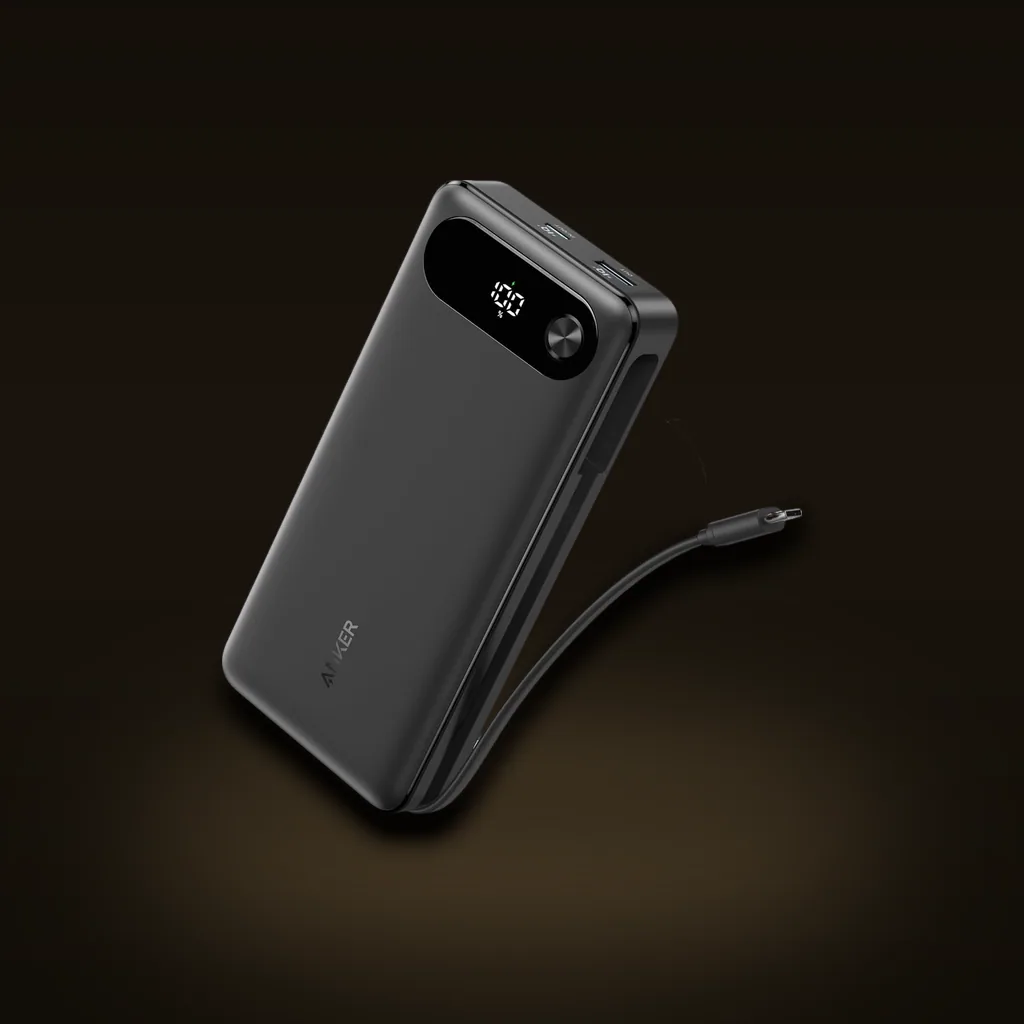
Anker Power Bank, 20,000mAh with Built-In USB-C Cable (87W)
A high-capacity brick with a built-in USB-C cable and 87W output, enough to genuinely fast-charge a laptop and phone with nothing loose to forget. It's bag gear, not pocket gear, given the size and weight.
Affiliate link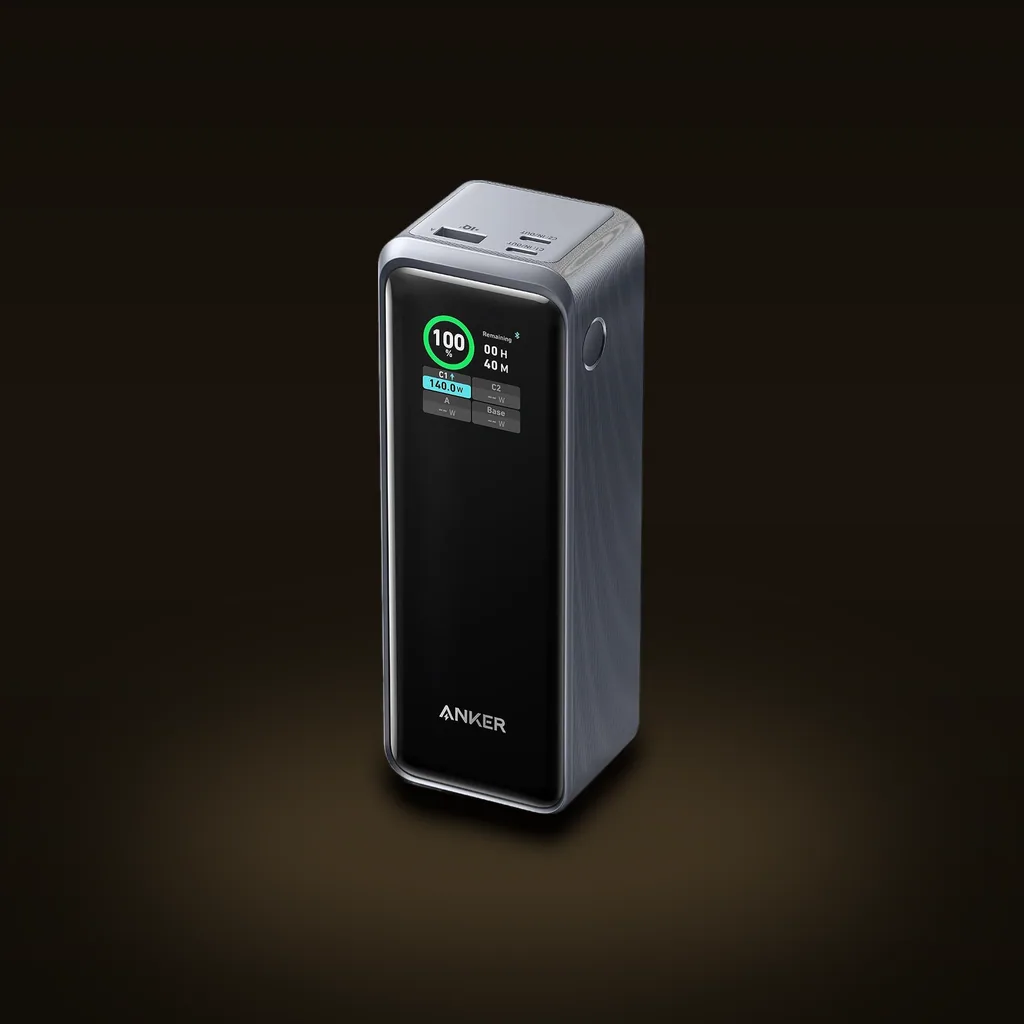
Anker Prime Power Bank (27,650mAh, 250W)
Flagship large power bank: 27,650mAh and 250W tops off a laptop, phone, and tablet at once, then refills itself in ~37 minutes. Still carry-on legal at 99.54Wh.
Affiliate link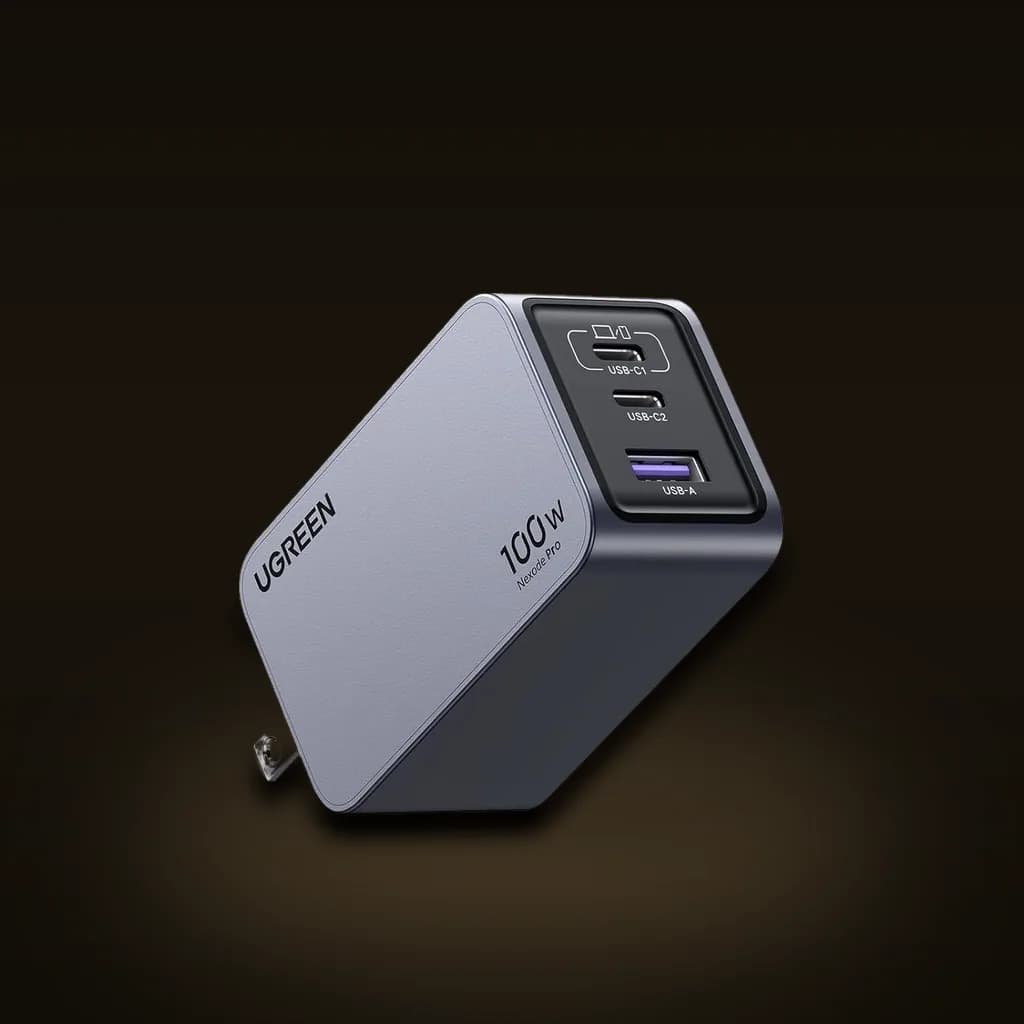
UGREEN Nexode Pro 100W 3-Port GaN USB-C Wall Charger
A compact GaN charger that replaces a bulky laptop brick and can top up a laptop, phone, and earbuds from one wall outlet. A smart pick for the traveler or desk worker who wants to carry a single charger instead of three.
Affiliate linkWhen a power bank isn't enough (and the airline catch)
If you're car camping, working from a hotel or van, or bracing for an outage, a pocket bank runs out fast. The next tier up is a portable power station — enough to run a mini fridge, refill a laptop many times over, or keep a CPAP going through the night.
The catch is the same 100Wh rule, on the wrong side of it. A roughly 300Wh-class unit like the Anker SOLIX C300 is far over both the 100Wh no-approval limit and the 160Wh hard ceiling — it cannot fly at all, in the cabin or the hold. It rides in your car, not your carry-on. For a full comparison of that tier, see our power stations guide.
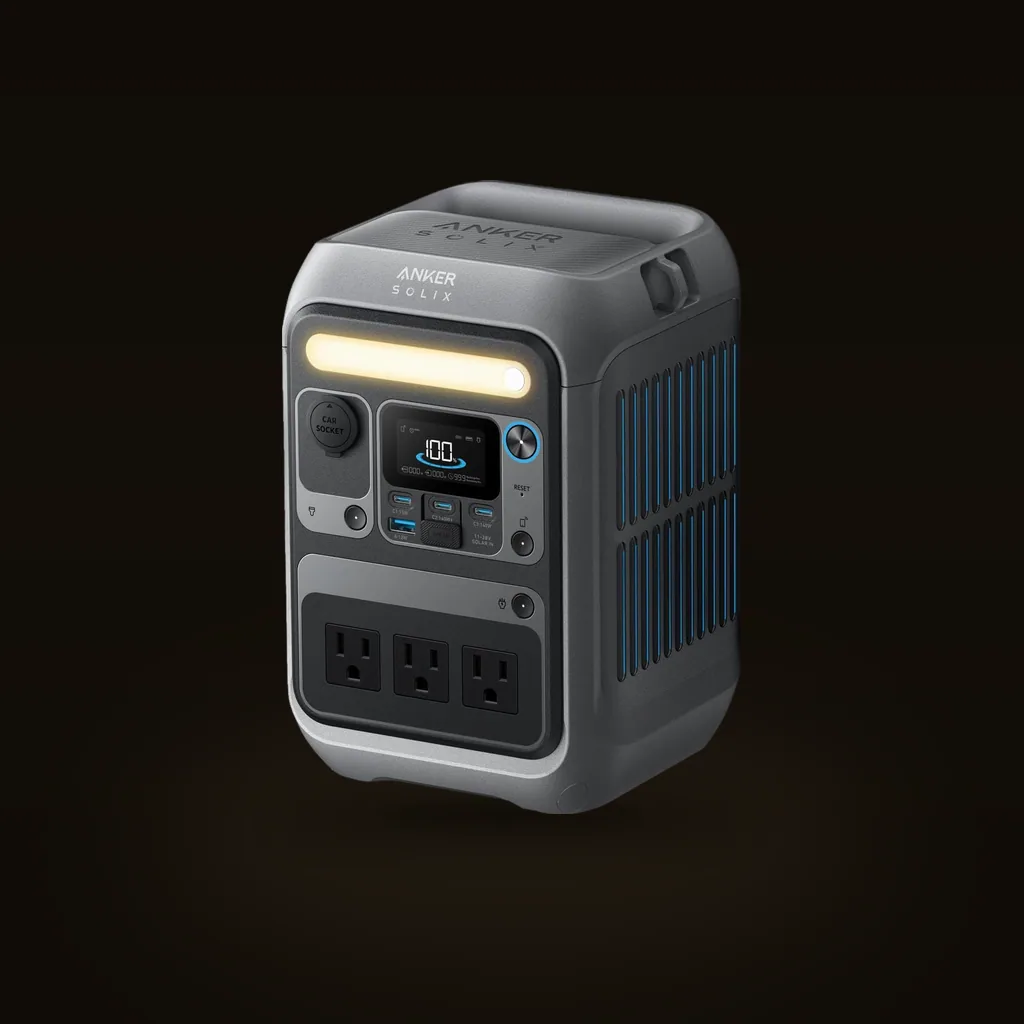
Anker SOLIX C300 Portable Power Station
Best-value compact: 288Wh and a genuine 300W AC output in a grab-and-go size, with fast 140W two-way USB-C and 8 ports. Undercuts Jackery's 300 on price with strong reviews.
Affiliate linkCommon mistakes and honest tradeoffs
Most bad power-bank purchases come down to the same handful of errors. Avoid these and almost any reputable bank in the right size will serve you well.
- Buying on mAh alone — A huge capacity number means little if the output is 12W — you'll wait forever and may never charge a laptop. Read the wattage first.
- Ignoring the Wh label — Security cares about watt-hours, not milliamp-hours. A 27,000mAh bank can sit on either side of the 100Wh line depending on cell voltage — check the printed figure.
- Packing batteries in checked bags — Spare lithium banks must ride in the cabin. Checked ones get pulled, and it can hold up your whole bag.
- Forgetting a fast wall charger — A 100W bank refilled by an old 5W phone brick is a bottleneck. Match your recharge charger to the bank's input rating.
- Expecting rated capacity — Voltage conversion eats 30-40% before it reaches your phone. Plan for real usable output, not the number on the box.
- Cheap no-name cells — Off-brand banks are where thermal-safety corners get cut. For something you carry through security and sleep next to, stick to reputable brands.
Common questions
Can I bring a power bank on a plane?
Yes — in your carry-on, never a checked bag. Any bank under 100Wh (essentially every phone-focused bank up to about 26,800mAh) is allowed with no airline approval. Banks from 100-160Wh need airline approval and are usually capped at two; anything over 160Wh is banned from passenger aircraft entirely.
How do I convert mAh to watt-hours (Wh)?
Use Wh = (mAh x nominal voltage) / 1000. Most banks use ~3.6-3.7V cells, so a 20,000mAh bank is about 74Wh and a 26,800mAh bank is roughly 99Wh. When in doubt, read the Wh number printed on the housing — that's the figure security uses.
What size power bank do I actually need?
For phone-only trips, 10,000mAh covers a day or two. For phone plus tablet, or a long travel day with navigation and photos, 20,000mAh is the sweet spot. Only go to 26,000mAh or higher if you regularly charge a laptop on the move — it's heavier, slower to refill, and sits near the airline limit.
Can a power bank charge a laptop?
Yes, if it has a USB-C PD port rated high enough and you use a PD-rated cable. Roughly 45-65W handles ultrabooks and a MacBook Air; 100W is needed for larger or gaming machines. Low-wattage banks will only trickle a laptop or refuse to charge it altogether.
What is passthrough charging, and do I need it?
Passthrough lets the bank charge a device while the bank itself is plugged in and recharging — handy when you have only one outlet overnight. It runs hotter and can age the cells a little faster, so it's a genuine convenience rather than a must-have feature.
Keep reading
The Best Portable Power Stations, Compared
The two numbers that matter are watt-hours (how long it runs) and watts (what it can run at once) — and a cheap battery quietly oversells both. Here's every station compared by the specs that actually decide it, side by side.
Read moreUseful GearThe Best Everyday-Carry (EDC) Gear Worth Owning (2026)
Five slots — carry, multitool, audio, tracking, and power — plus the premium pick for each and the honest catch on every one.
Read moreJump StartersThe Best Portable Jump Starters, Compared
Peak-amp numbers are marketing — what actually starts your car is whether the unit is rated for your engine. Here's every pick compared by the specs that decide it: engine size, cranking power, and what else it does.
Read moreThe gear actually worth buying — one email a week.
The car, power, cooling, and work-utility gear worth owning — with the honest catch on each. One genuinely useful email a week. No spam, no fake reviews, unsubscribe anytime.
- No spam
- One email a week
- Unsubscribe anytime