The Best Car Chargers & Power Inverters (2026)
USB-C PD car chargers vs. a 12V inverter — what to plug in where, how many watts you really need, and the exact pick for each job.
The short answer
For charging phones, tablets, and most laptops in a car, skip the inverter — a high-wattage USB-C Power Delivery car charger is smaller, runs cooler, and wastes less energy. Our top pick is the Baseus 160W USB-C Car Charger for anyone who needs to fast-charge a laptop plus two phones at once, with the Anker Nano Car Charger (167.5W) as a close alternative. Only buy a 12V inverter like the BESTEK 300W if you need a genuine AC wall outlet for something that has no USB option. These picks are researched from published specs and owner reviews, not personally lab-tested, and prices are approximate.
Disclosure · As an Amazon Associate, BlackBox Supplies earns from qualifying purchases — at no extra cost to you. See our full disclosure.
The one decision that matters: USB-C charger or inverter?
There are two ways to power things in a car, and they solve different problems. A USB-C Power Delivery (PD) charger converts your car's 12V straight into USB voltages — it's tiny, efficient, and runs cool. An inverter fakes a household AC outlet so you can plug in a normal wall charger or appliance — it's bulkier, wastes more energy as heat, and adds another part that can fail.
The rule of thumb is simple. If the thing you want to power charges over USB-C — a phone, tablet, earbuds, a Nintendo Switch, or nearly any laptop from about 2019 on — you want a USB-C charger. If it only has a two-prong wall plug and no USB option — a CPAP machine, camera or drone battery bricks, a small game-console power brick — you want an inverter.
Modern laptops changed the math. A few years ago a laptop meant you needed an inverter and its wall charger. Today a single 100W USB-C PD port charges almost every ultrabook and many 16-inch laptops directly, so most people never need an inverter at all.
| What you're powering | Right tool | Why |
|---|---|---|
| Phone / tablet / earbuds | USB-C PD car charger | Charges natively over USB — no conversion loss |
| Modern laptop (USB-C) | 60-100W USB-C car charger | One PD port replaces the wall brick |
| CPAP, camera-battery bricks, small AC device | 12V inverter | Needs a real 120V wall outlet |
| Fridge, blender, hair dryer, power tool | Portable power station | Motor/heater surge exceeds a car inverter |
How much power you actually need
Charger wattage is shared across ports, not delivered per port. A 160W charger does not push 160W into each of three plugs — it splits the budget, and a single port only hits its top speed when it's the only thing connected. That's normal, not a defect.
For a laptop, look for one USB-C port that can reach 100W (or at least 65W for a thin ultrabook). If you only ever charge phones, 30-45W total is plenty and a compact charger will do.
Your 12V socket is the real ceiling. Most cigarette-lighter sockets are fused somewhere around 120-180W total. That's why even a '160W' USB charger is fine in practice — it self-limits to what the socket and your devices negotiate — but a 300W inverter run near full load can pop that fuse, which is why bigger inverters ship with battery ring terminals for a direct connection.
| Device | Approx. draw | USB-C or inverter? |
|---|---|---|
| Phone | ~20-30W | USB-C |
| Tablet | ~30-45W | USB-C |
| Ultrabook / MacBook Air | ~30-65W | USB-C |
| 16-inch / performance laptop | ~90-140W | USB-C (100W port) |
| CPAP machine | ~30-90W | Inverter (usually) |
| Camera / drone battery charger | ~30-100W | Inverter, or USB-C if supported |
Our researched car charger picks
Baseus 160W USB-C Car Charger (~$45-60) — the pick when you want to run a laptop plus two phones at once. It splits 160W across USB-C and USB-A ports, and owner reviews highlight a single USB-C port fast enough for most laptops when it's the only device plugged in. The tradeoff: it's chunkier than a minimalist plug and sticks out of the socket.
Anker Nano Car Charger (167.5W) (~$45-60) — a close alternative with a similar high total wattage from a brand with a strong charging reputation and warranty support. Choose it if Anker's track record matters to you; just confirm the port layout fits your devices (laptop + phones vs. two phones only) on the live listing.
iOttie Velox Magnetic Wireless Charging mount (~$50-60) — a different job entirely. This is a magnetic (MagSafe-style) phone mount that charges wirelessly while holding your phone for navigation. It's slower than a cable and phone-only, but it's the most convenient option for daily driving. Pair it with a small wired charger for everything else.
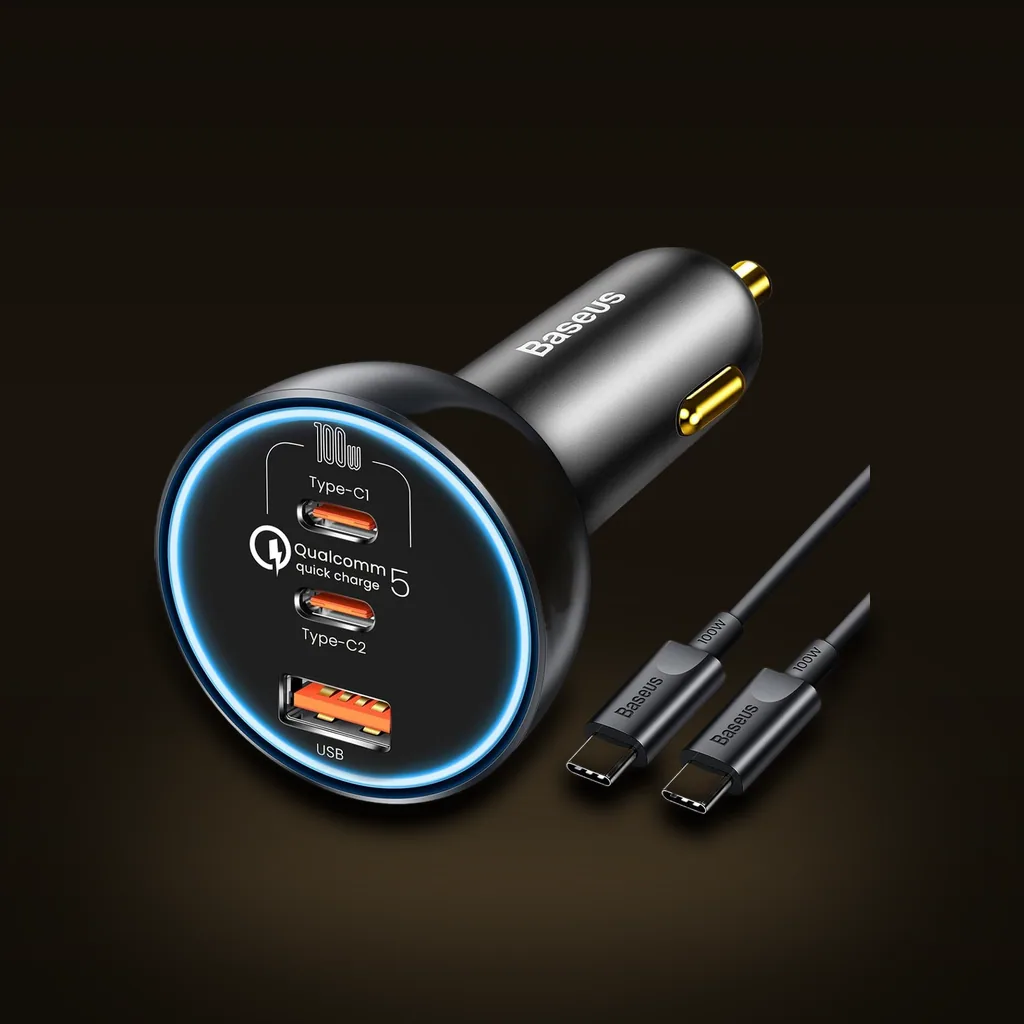
Baseus 160W USB-C Car Charger (3-Port, QC5.0/PD3.0/PPS)
One of the few car chargers with a genuine 100W single-port output, so it can fast-charge a MacBook or iPad Pro and a phone at once — real premium wattage, backed by a ChargerLab teardown and Baseus's mainstream reputation.
Affiliate link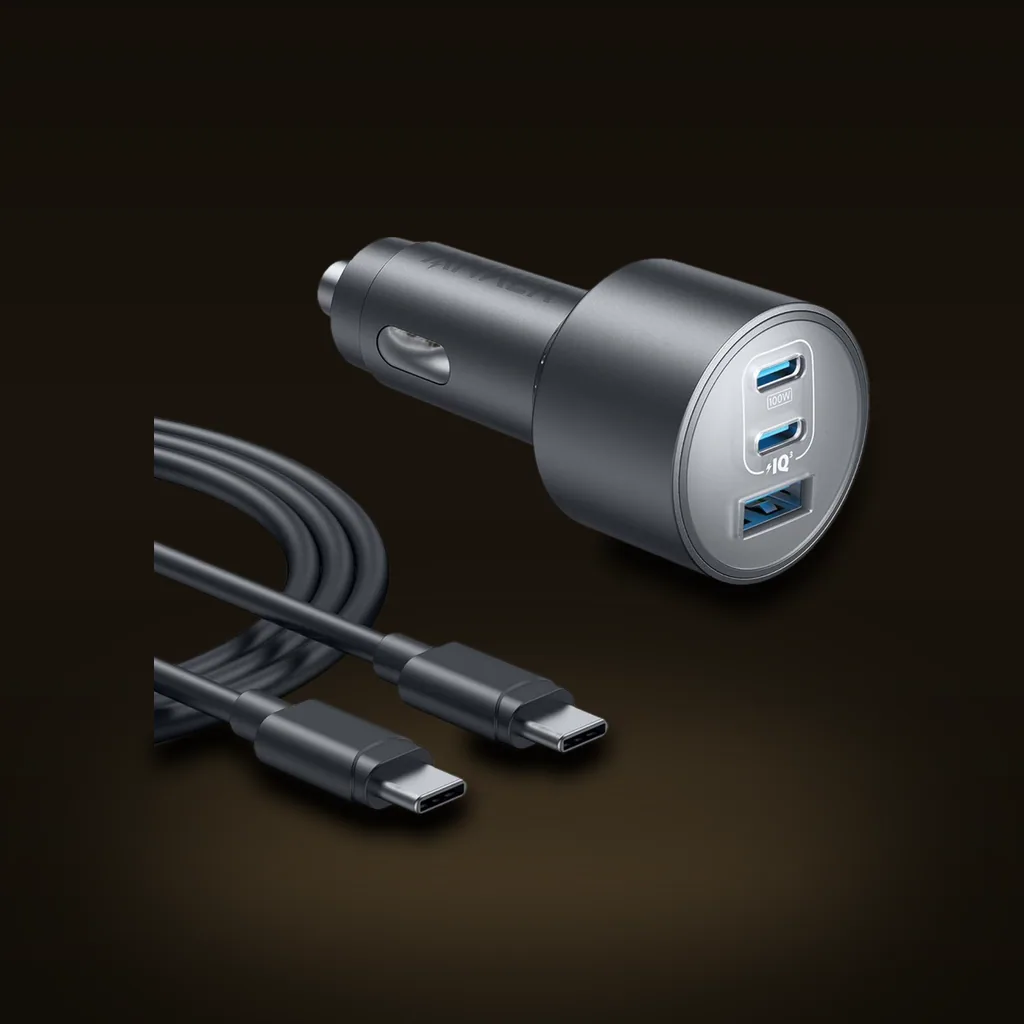
Anker Nano Car Charger (167.5W, 3 Ports)
A tiny GaN car charger that pushes a real 100W from one USB-C, enough to fast-charge a MacBook off your 12V socket, with two more ports for phones and tablets.
Affiliate link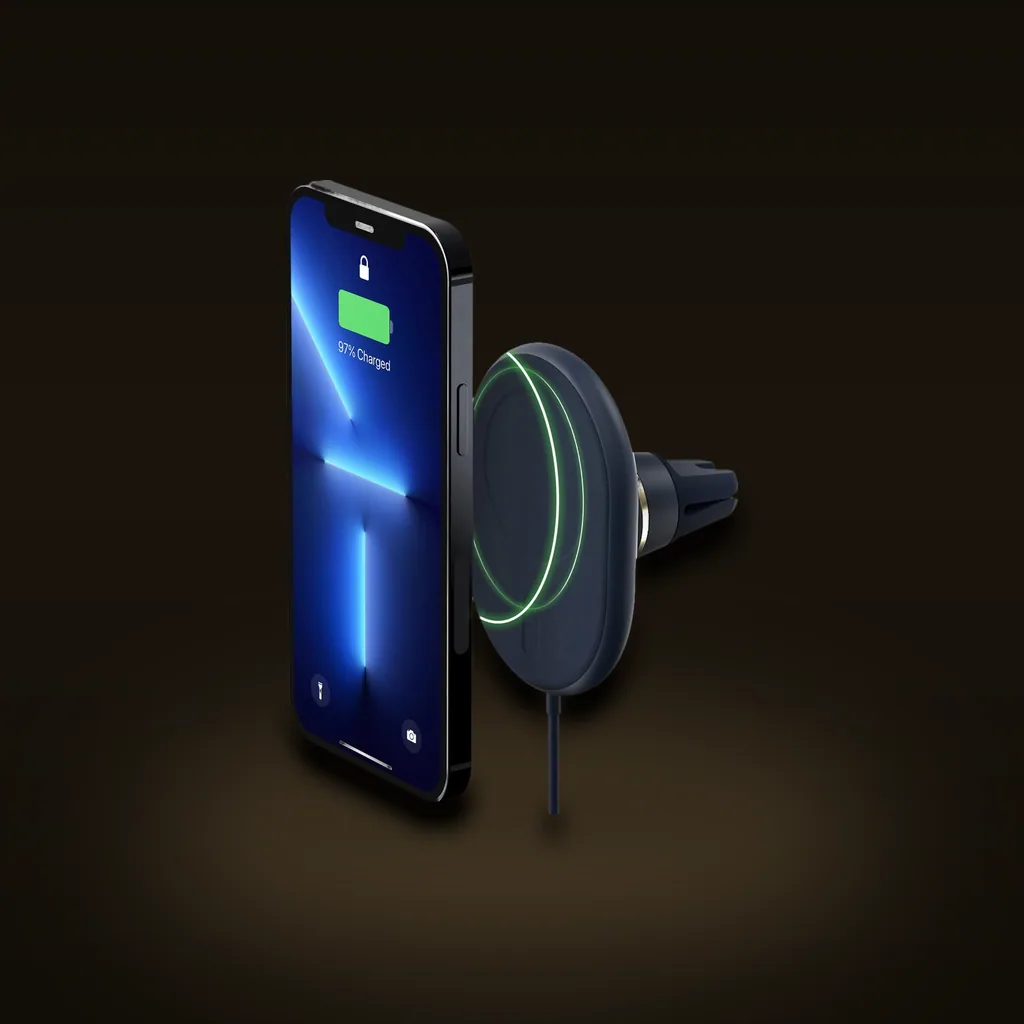
iOttie Velox Magnetic Wireless Charging Air Vent Mount (MagSafe)
Aluminum housing, a soft silicone face, and a strong MagSafe magnet — AppleInsider calls it the cream of the crop of vent mounts; it mounts and charges in one clean unit with no dangling cable.
Affiliate linkWhen you actually need an inverter
BESTEK 300W Car Power Inverter (~$28-40) is the honest pick for the narrow case where you genuinely need a 120V outlet: a CPAP machine on a road trip, charging camera or drone battery bricks that only ship with a wall charger, a small game console, or briefly running a low-wattage AC gadget.
300W continuous covers laptops via their own brick, most CPAPs, and battery chargers. It is NOT enough for hair dryers, coffee makers, mini fridges, power tools, or anything with a heating element or motor — those spike far past 300W at startup and will trip the inverter or blow a fuse.
Mind the socket-fuse ceiling. Near full load, use a socket rated for it or the battery terminals, and run the engine for anything sustained so you don't flatten your starter battery.
If your list is mostly AC appliances, you've outgrown a car inverter — a portable power station is the right tool. See our power stations guide for that path.
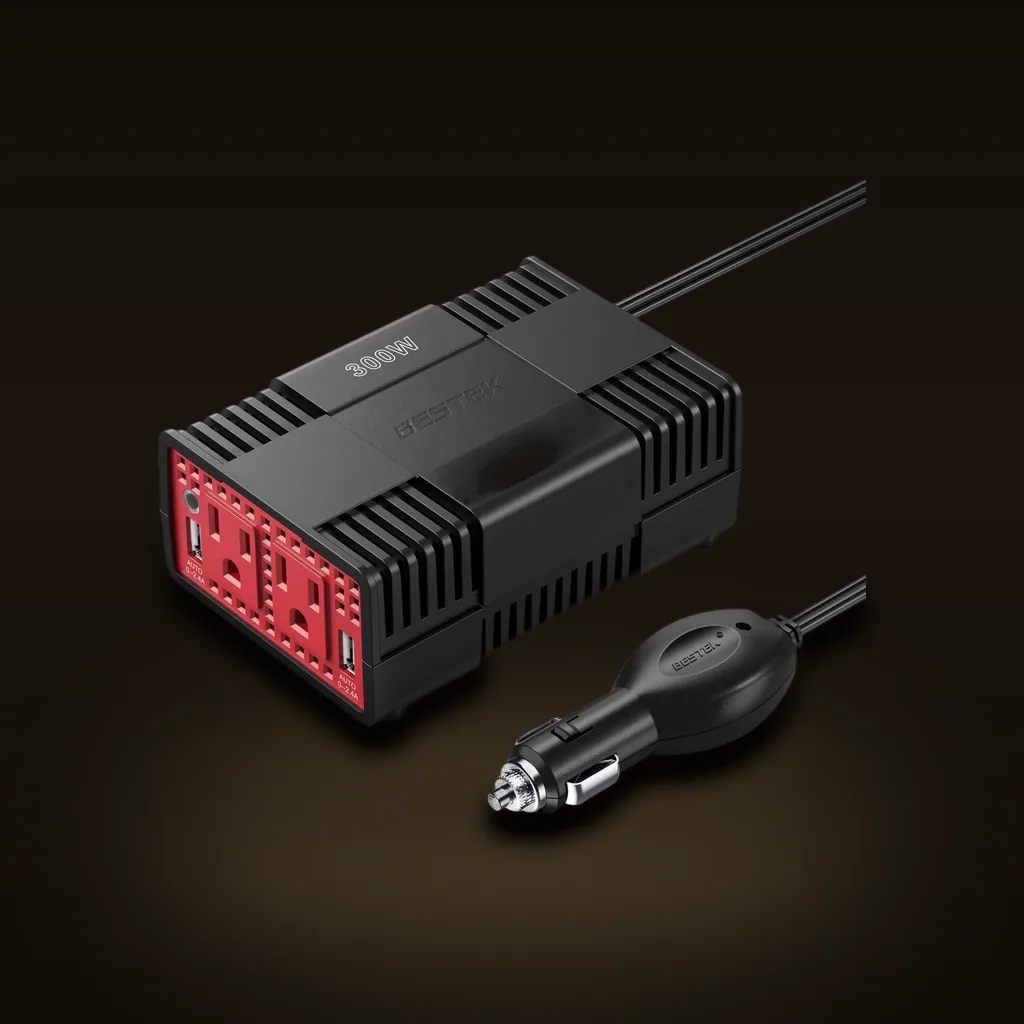
BESTEK 300W Car Power Inverter (Dual AC + Dual USB)
The simple, proven way to get a wall outlet in any car: plug into the 12V socket and run a laptop, CPAP, or small electronics.
Affiliate linkHonest tradeoffs and common mistakes
Most bad car-power purchases come from buying the wrong category, not the wrong brand. These are the mistakes we see most often in owner reviews and forums.
- Buying an inverter for a USB device — If it charges over USB-C, an inverter just adds bulk, heat, and wasted energy — a USB-C charger is the better tool.
- Trusting the headline wattage per port — Total watts are shared across ports; a 160W charger won't deliver 160W to three plugs at once.
- Ignoring the 12V socket fuse — Sockets are usually fused around 120-180W; a big inverter near full load can blow it, so hardwire it to the battery for sustained use.
- Running an inverter with the engine off — Sustained AC draw can drain a starter battery in under an hour; keep the engine running for long sessions.
- Expecting a 300W inverter to run appliances — Heaters and motors surge well past their rated watts; a car inverter is for electronics, not a kitchen.
- Grabbing a no-name USB adapter — Many overstate wattage and lack proper PD negotiation; a known brand with real USB-C PD is worth the few extra dollars.
How we researched these picks
We compared published specs — total wattage, port layout, and USB-C PD support — against patterns in owner reviews for reliability, real-world charging speed, and heat under load. We have not personally lab-tested these units and we don't measure output on a bench.
Prices are approximate and move around, especially on Amazon, so check the live listing before you buy. Where a product's exact port breakdown matters for your specific devices, confirm it on the current listing rather than trusting a headline number.
Common questions
Can a USB-C car charger really charge a laptop?
Yes. Most laptops from around 2019 on charge over USB-C Power Delivery. Look for a car charger with a single USB-C port that can output at least 65W for a thin ultrabook, or 100W for larger 16-inch and performance laptops. That port replaces the wall brick entirely.
Do I need an inverter or a fast USB-C charger?
If everything you want to power charges over USB, get the USB-C charger — it's smaller and more efficient. Get an inverter only for devices that have a two-prong wall plug and no USB option, like a CPAP machine or a camera-battery charger.
Will a 300W inverter run a mini fridge or a hair dryer?
No. Anything with a motor or a heating element surges well past 300W at startup. For fridges, blenders, or hair dryers you need a portable power station, not a car inverter.
Why does my car charger run slower when everything is plugged in?
Total wattage is shared across the ports, so speeds drop when multiple devices are connected, and conversion always produces some heat. Put a single device in the top USB-C port and it gets the full rated speed.
Is it safe to leave a charger or inverter plugged in overnight?
A small USB-C charger draws almost nothing at idle and is generally fine. An inverter under load can drain your starter battery if the engine is off, so unplug it or run the engine for anything sustained.
Keep reading
The Best Portable Power Stations, Compared
The two numbers that matter are watt-hours (how long it runs) and watts (what it can run at once) — and a cheap battery quietly oversells both. Here's every station compared by the specs that actually decide it, side by side.
Read moreJump StartersThe Best Portable Jump Starters, Compared
Peak-amp numbers are marketing — what actually starts your car is whether the unit is rated for your engine. Here's every pick compared by the specs that decide it: engine size, cranking power, and what else it does.
Read moreDash CamsThe Best Dash Cams, Compared
The dash cam that saves you isn't the one with the biggest number on the box — it's the one whose footage a claims adjuster can actually read. Here's every pick compared by the specs that decide a dispute: resolution, coverage, and night legibility.
Read moreThe gear actually worth buying — one email a week.
The car, power, cooling, and work-utility gear worth owning — with the honest catch on each. One genuinely useful email a week. No spam, no fake reviews, unsubscribe anytime.
- No spam
- One email a week
- Unsubscribe anytime