The Best Kitchen Gear Worth the Money (2026)
Five premium kitchen tools that genuinely earn their price — each with an explicit best-for and an honest catch. Cross-checked against spec sheets and verified-buyer reviews.
The short answer
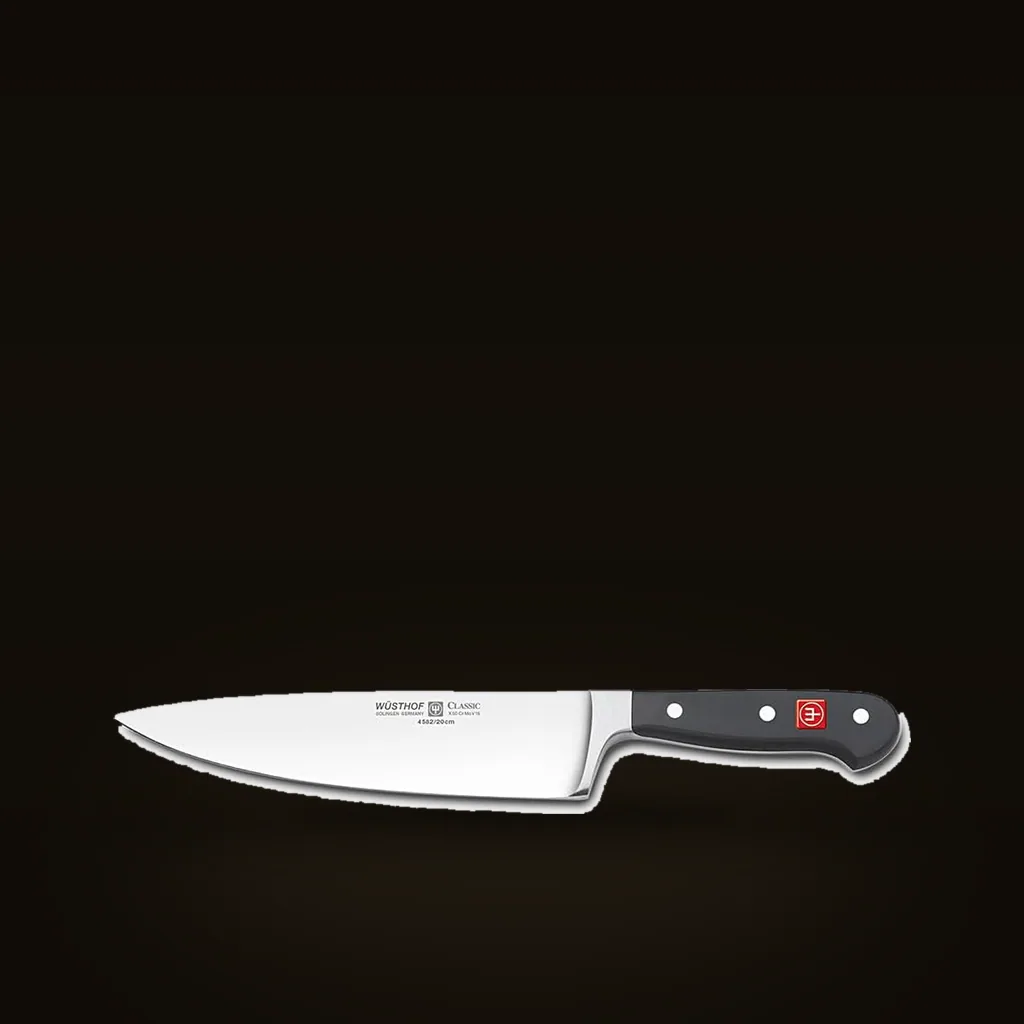
Most "premium" kitchen gear is overpriced; a handful genuinely earns it. Our top pick is the Wusthof Classic 8-Inch Chef's Knife ($150-$170) — the tool you touch every meal, forged to hold an edge for years. Below, four more worth the spend, from espresso to blending, with the honest catch on each.
Disclosure · As an Amazon Associate, BlackBox Supplies earns from qualifying purchases — at no extra cost to you. See our full disclosure.
The short list
These are the few pieces of premium kitchen gear where paying up actually pays off — because you'll use them constantly, they outlast the cheap version by years, or they do something a budget tool physically can't. Everything here is drawn from current manufacturer spec sheets and verified-buyer reviews. Prices move, so check the live listing before you buy.
| Pick | Best for | Price | Key spec |
|---|---|---|---|
| Wusthof Classic 8-Inch Chef's Knife (WUSTHOF) — TOP PICKCheck price on Amazon → | Everyday all-purpose cutting | $150-$170 | Forged high-carbon steel (X50CrMoV15), full tang, 14-degree edge per side |
| Breville Barista Express Espresso Machine (BES870XL)Check price on Amazon → | Cafe-grade espresso at home | $650-$750 | Built-in conical burr grinder, 15-bar pump, PID temperature control |
| Vitamix 5200 Professional-Grade Blender (64 oz)Check price on Amazon → | Smoothies, soups, buy-it-for-life blending | $400-$500 | 2.0-peak-HP motor, 64 oz container, 7-Year Limited Warranty |
| Breville Joule Turbo Sous Vide Machine (BSV600PSS)Check price on Amazon → | Foolproof restaurant-perfect proteins | $180-$220 | 1100W circulator, app-guided cooks, Turbo heat-up |
| Fellow Stagg EKG Electric Gooseneck Kettle (0.9L)Check price on Amazon → | Pour-over coffee and tea precision | $150-$170 | 1200W, to-the-degree temp control, gooseneck spout |
Top pick: Wusthof Classic 8-Inch Chef's Knife
A chef's knife is the one tool you reach for at nearly every meal, which makes it the highest use-per-dollar upgrade in any kitchen. The Wusthof Classic ($150-$170) is precision-forged from a single blank of high-carbon stainless steel (X50CrMoV15) with a full tang running the length of the handle — that construction is why a forged blade holds a keen edge and stays balanced far longer than a budget knife stamped from a sheet of steel.
The 14-degree-per-side edge is finer than the roughly 20-degree grind on many older Western knives, so it bites into onions and tomatoes with less force. Cross-checking verified-buyer reviews and spec sheets points to the same conclusion: buy it once, hone it regularly, and it outlives most of your other kitchen gear. Made in Solingen, Germany.
- Best for: the everyday all-purpose cutting that makes up the vast majority of kitchen knife work.
- The catch: high-carbon steel needs care. Hand-wash and dry it, keep it out of the dishwasher, and hone it often. It's a lifetime tool only if you treat it like one.
Best for espresso: Breville Barista Express (BES870XL)
The Breville Barista Express Espresso Machine (BES870XL, $650-$750) is the machine that turns a daily coffee-shop habit into a one-time purchase. It packs an integrated conical burr grinder, a 15-bar Italian pump, and PID digital temperature control into one body, so you go from whole beans to a pulled shot in about a minute. The PID matters more than the bar rating: it holds brew water in the roughly 195-205F band that actually extracts espresso well, where cheaper machines swing wildly.
The built-in grinder with dose control is the real value. Grinding fresh at the moment of the shot is the single biggest lever on espresso quality, and a standalone grinder of this caliber would cost hundreds on its own. Low-pressure pre-infusion gently ramps pressure at the start to help avoid channeling through the puck.
- Best for: anyone spending $5-plus a day on lattes who wants the machine to pay for itself.
- The catch: there's a real learning curve, plus regular cleaning, descaling, and dialing-in. This is a hobby appliance, not a pod machine — expect to waste a few shots learning to pull a good one.
Best for blending: Vitamix 5200 (64 oz)
The Vitamix 5200 Professional-Grade Blender (64 oz, $400-$500) is the classic 'cry once' kitchen buy. Its 2.0-peak-horsepower motor and aircraft-grade stainless blades spin fast enough to pulverize ice, fibrous greens, and nuts into genuinely silky texture — the result cheaper blenders can't fake, because they lack the motor torque to keep the blades moving through a thick load. Run it long enough and blade friction alone heats a batch to steaming hot soup, no stove needed.
The 64 oz self-cleaning container handles family-size batches, and the variable speed dial gives you control from a coarse salsa to a running-smooth puree. Vitamix backs it with a 7-Year Limited Warranty on parts and performance — and that warranty term is the whole worth-the-money argument versus replacing a $60 blender every couple of years, because it is the manufacturer's own statement of how long it expects the machine to last.
- Best for: daily smoothie drinkers, soup makers, and anyone who blends often enough to wear out lesser machines.
- The catch: it's loud, tall enough that it may not fit under a low cabinet, and the classic 5200 is a manual dial — no presets or automatic programs beyond a soap-and-water self-clean blend.
Best for proteins: Breville Joule Turbo Sous Vide (BSV600PSS)
Sous vide is the most reliable way to nail a steak, chicken breast, or salmon fillet, and the reason is pure physics: the food sits in water held at an exact temperature, and it physically cannot cook past that temperature — so it comes out edge-to-edge perfect and cannot overcook while you walk away. The Breville Joule Turbo Sous Vide Machine (BSV600PSS, $180-$220) is a 1100W immersion circulator that clamps to any pot, with a Turbo mode to reach temperature faster.
It runs on WiFi/Bluetooth app control with guided cooks, which is genuinely useful for the times and temperatures beginners haven't memorized. At a compact roughly 5-inch body with a magnetic base, it stores in a drawer instead of hogging counter space — a real advantage over the bulkier gear on this list.
- Best for: cooks who want restaurant-consistent proteins with near-zero babysitting.
- The catch: it leans on the app and your phone for full functionality — there's no complete control panel on the device itself — and sous vide adds time and needs a quick sear afterward for a proper crust.
Best for pour-over: Fellow Stagg EKG Electric Gooseneck Kettle (0.9L)
The Fellow Stagg EKG Electric Gooseneck Kettle (0.9L, $150-$170) is the design-object kettle that coffee and tea roundups keep naming, and the function backs the looks. Its 1200W element heats quickly, and to-the-degree temperature control lets you hit the right band for what you're brewing — roughly 195-205F for coffee, lower for delicate green teas that turn bitter in boiling water. The precision gooseneck spout is the point: it delivers a slow, controlled stream so you can saturate coffee grounds evenly instead of dumping and channeling.
An LCD display shows the exact temperature and a built-in brew stopwatch tracks your pour. At 0.9L it's sized for one to a few cups rather than a full pot. Verified-buyer reviews and editorial picks consistently rank it at the top for pour-over.
- Best for: pour-over coffee and loose-leaf tea drinkers who want repeatable, precise brews.
- The catch: it's expensive for a kettle and the 0.9L capacity is small. If you just want to boil water fast for a big pot, a $30 kettle does that — you're paying for temperature precision and the controlled pour, not raw speed.
The bottom line
Five buys, one rule: pay premium only where you'll feel it every week. The Wusthof Classic knife and the Fellow Stagg EKG kettle are the easiest yeses because you use them constantly for well under $200. The Breville Barista Express is the biggest spend but the clearest math if you're a daily espresso drinker. The Vitamix 5200 and Breville Joule earn their price the moment they replace something you'd otherwise do worse, slower, or not at all.
Every price and spec here is drawn from current manufacturer spec sheets and verified-buyer reviews, and prices move — check the live listing before you buy. Browse the full list at /useful.
Common questions
Is a $150 chef's knife really worth it over a $30 one?
For most cooks, yes — but only because you use it constantly. A forged, full-tang, high-carbon blade like the Wusthof Classic holds its edge far longer and balances better than a stamped budget knife, so it needs sharpening less and cuts with less effort. Spread over years of daily use, the cost-per-use is tiny. If you cook only a few times a month, a mid-price knife is plenty.
Does the Breville Barista Express actually pay for itself?
If you buy espresso drinks daily, the math is fast. At $650-$750 it offsets roughly four to five months of a $5-a-day cafe habit, then keeps saving. The catch is the learning curve and upkeep — you're buying a hobby appliance, not a one-button pod machine. If you drink espresso only occasionally, it won't pay off.
Can you overcook meat in a sous vide like the Breville Joule?
Not in the usual sense. Because the food sits in water held at an exact temperature and can't exceed it, a steak set to 130F stays at 130F edge-to-edge no matter how long — that's the whole point. Over many hours the texture will soften, but you won't get the gray, overdone band a hot pan produces. You do still need to sear it afterward for a crust.
Is the Vitamix 5200 worth it over a cheaper blender?
If you blend often, yes. Its 2.0-peak-HP motor pushes through frozen fruit, greens, and nuts that stall cheaper machines, producing a genuinely smoother texture, and the 7-year warranty plus a well-documented decade-plus lifespan lowers the true cost per year. If you make only the occasional protein shake, a budget blender is fine.
Why pay $150 for the Fellow Stagg kettle when a $30 one boils water too?
You're not paying for speed — you're paying for to-the-degree temperature control and the gooseneck spout. Coffee extracts best around 195-205F and green tea turns bitter at a full boil, so precise temperature genuinely changes the cup, and the slow, aimed pour lets you saturate grounds evenly for better pour-over. If you only make black tea or French press, a basic kettle is enough.
Which of these should I buy first?
Start with what you use daily. For almost everyone that's the chef's knife — it improves nearly every meal for the lowest premium price on this list. Coffee drinkers should look at the Fellow kettle or Breville espresso machine next; frequent cooks, the Vitamix or Joule. Buy for the habit you already have, not the one you hope to build.
Sources & further reading
- NYT Wirecutter — The Best Chef's Knife
- NYT Wirecutter — The Best Blender
- New York Magazine, The Strategist — The Best Electric Kettles
- Serious Eats, The Food Lab — Complete Guide to Sous Vide Steak
- Breville — Barista Express (BES870XL) Product Specifications
Research-driven — our picks come from verified manufacturer specs and long-term owner feedback. How we work: our methodology.
The gear actually worth buying — one email a week.
The car, power, cooling, and work-utility gear worth owning — with the honest catch on each. One genuinely useful email a week. No spam, no fake reviews, unsubscribe anytime.
- No spam
- One email a week
- Unsubscribe anytime