The Best Home Upgrades for Everyday Quality of Life (2026)
Six premium upgrades that quietly fix the daily friction in a home — cleaner air, self-cleaning floors, pain-free sitting, and deeper sleep. Real specs, honest catches, and the top pick for each problem.
The short answer
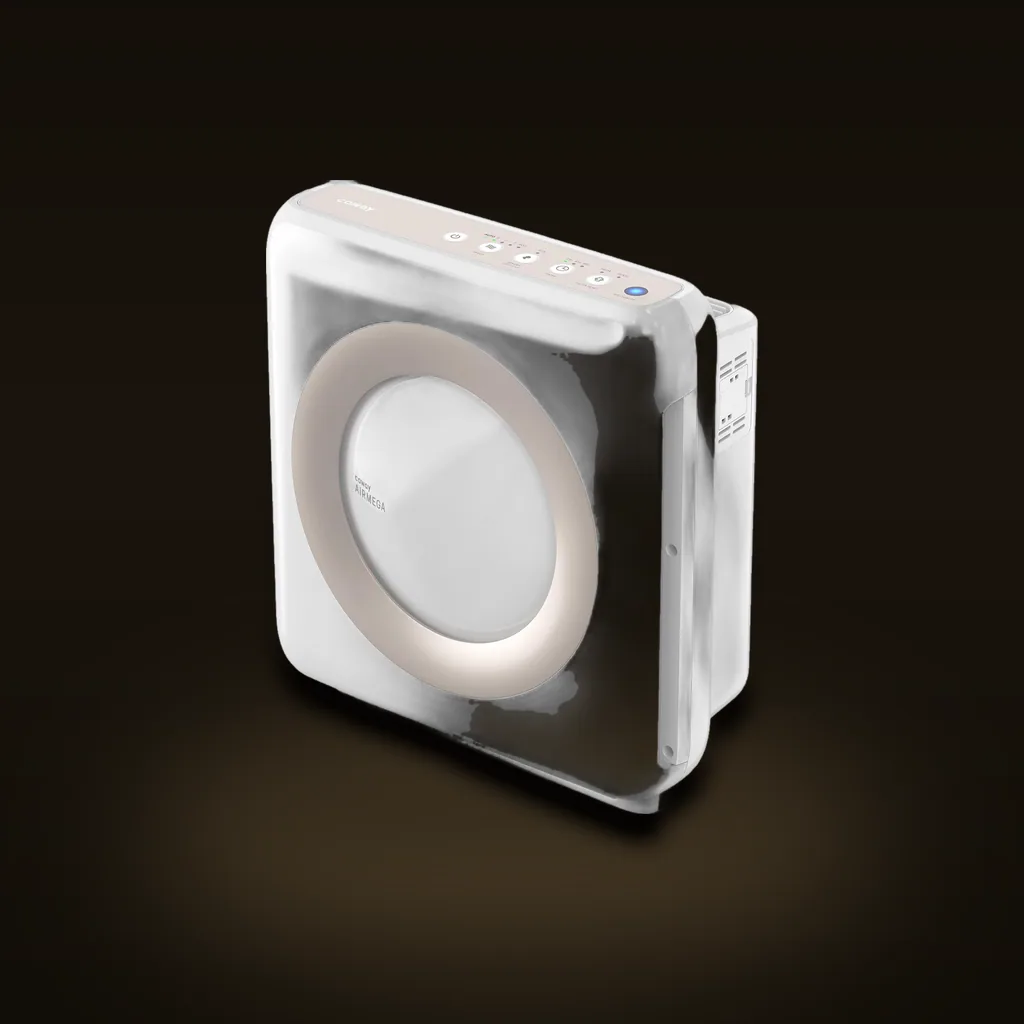
For most homes, the highest-impact upgrade is a True HEPA air purifier — the Coway Airmega AP-1512HH ($160-$230) cleans the air you breathe all day for pennies. Below it, five more premium picks fix the daily friction of dirty floors, aching hips, dry air, and restless sleep.
Disclosure · As an Amazon Associate, BlackBox Supplies earns from qualifying purchases — at no extra cost to you. See our full disclosure.
The six upgrades at a glance
This is a roundup of premium home and comfort gear — no cheap gadgets, nothing under $50 — organized around the four problems that wear on you daily: the air you breathe, the floors you clean, the chair you sit in, and the sleep you get. We cross-checked verified-buyer reviews, spec sheets and the category physics to pick one clear winner for each.
The Coway Airmega is our overall top pick because it delivers the broadest daily benefit for the lowest running cost. The rest are the best-in-lane answer to a specific problem.
| Pick | Best for | Price | Key spec |
|---|---|---|---|
| Coway Airmega AP-1512HH (Top pick)Check price on Amazon → | Cleaner air, all day | $160-$230 | True HEPA + activated carbon, ~361 sq ft, ~24 dB on low |
| Roborock Q Revo Robot Vacuum and Mop | Deleting the floor-cleaning chore | $450-$700 | 5,500 Pa suction + dual mop, self-emptying/washing dock |
| Purple Ultimate Seat Cushion | All-day desk & tailbone comfort | $99-$149 | 2.5" GelFlex Grid, temperature-neutral, non-slip base |
| Coop Home Goods Original Adjustable PillowCheck price on Amazon → | Fixing morning neck pain | $60-$75 | Add/remove memory-foam fill, machine washable |
| YnM Weighted Blanket (15 lb)Check price on Amazon → | Restless, anxious sleepers | $50-$70 | 15 lb (~10% body weight), glass-bead fill |
| LEVOIT LV600S Humidifier | Dry winter air | $80-$110 | 6 L, warm + cool mist, 753 sq ft, auto humidity sensor |
Cleaner air — Coway Airmega AP-1512HH Mighty True HEPA Air Purifier
The air in a closed room is a soup of pollen, pet dander, cooking grease, and fine dust you never see. A True HEPA filter is rated to trap 99.97% of particles down to 0.3 microns — the size that slips deepest into your lungs — and the Airmega pairs that with an activated-carbon layer that adsorbs the odors and cooking smells HEPA alone can't touch, because those are gases, not particles.
Its ~361 sq ft rating isn't marketing fluff: air-purifier coverage assumes the unit cycles all the air in the room several times an hour, so a right-sized unit in a bedroom or living room is quietly re-filtering everything you breathe. On low it runs at about 24 dB — quieter than a whisper — so it disappears into the background overnight, and the front LED reads out air quality in real time so you can watch it react when you sear a steak.
Best for: bedrooms and living rooms up to about 360 sq ft, allergy and pet households, and anyone in wildfire-smoke country who wants clean air running 24/7 at a low electricity cost.
The catch: filters are consumables. You vacuum the washable pre-filter and replace the carbon and HEPA on a schedule (budget for a fresh set roughly once a year), so the true cost is sticker price plus filters. And 361 sq ft is the ceiling — an open-plan great-room needs a larger unit or a second purifier.
Effortless floors — Roborock Q Revo Robot Vacuum and Mop with Self-Emptying/Washing Dock
The Q Revo is the pick when you'd rather delete the chore than do it better. It vacuums at 5,500 Pa — strong suction for the class — and drops dual spinning mop pads that lift automatically when it rolls onto carpet, so it won't drag a wet pad across your rugs. LiDAR mapping lets it run room-by-room on a schedule instead of bumping around blind.
The real upgrade is the dock. It self-empties the dustbin into a sealed bag, self-washes and auto-dries the mop pads so they don't sour, and refills the robot's water tank between runs. In practice you interact with it about once every several weeks instead of every few days — routine floor care essentially falls off your to-do list.
Best for: homes with a mix of hard floors and low-pile carpet, ongoing pet-hair maintenance, and anyone who wants floors handled hands-off on a daily schedule.
The catch: a robot mop wipes, it doesn't scrub — it's superb for dust, footprints, and fresh light spills, but dried-on stains still want a manual pass. The all-in-one dock is bulky and wants a spot near an outlet, and you still pre-tidy stray cords and socks so it doesn't swallow them. It's also the priciest upgrade here.
All-day sitting — Purple Ultimate Seat Cushion (2.5" GelFlex Grid)
If your tailbone aches after a long work or gaming session, the problem is usually pressure concentration — an ordinary foam cushion compresses under your sit bones and, over months, packs down into a hard slab (foam takes a permanent 'compression set'). Purple's 2.5-inch GelFlex Grid works differently: the elastomer columns buckle exactly where pressure is highest and stay supportive everywhere else, spreading your weight instead of bottoming out.
Because it's a gel grid and not memory foam, it's temperature-neutral — it doesn't trap and radiate body heat the way foam does during a long sit — and the non-slip base keeps it planted on an office or gaming chair.
Best for: desk workers and gamers doing multi-hour sessions, tailbone and sit-bone pressure, and anyone who overheats on a foam cushion.
The catch: at 2.5 inches it's genuinely tall and a bit heavy, so it raises your seat height — re-check that your desk, armrests, and footing still line up, or you'll trade a sore tailbone for a sore shoulder. And at $99-$149 it's a premium price for a cushion.
Deeper sleep — pillow, humidifier, and weighted blanket
Sleep is the highest-leverage upgrade of all, and three premium picks each target a different reason you wake up less than rested.
The pillow — Coop Home Goods Original Adjustable Pillow ($60-$75). Most people sleep on the wrong-height pillow. The right loft is the one that keeps your neck neutral, in line with your spine — higher for side sleepers to fill the shoulder gap, lower for stomach sleepers. The Coop is filled with cross-cut memory foam you physically add or remove (it ships with an extra fill bag), so you tune the height to your body instead of guessing, and the whole thing is machine washable. Best for: anyone waking with neck pain, and side sleepers who've never found the right height. The catch: the shredded foam has a mild off-gas smell for a day or two, and dialing in the perfect fill takes a few nights of trial and error.
The air — LEVOIT LV600S Smart Warm & Cool Mist Ultrasonic Humidifier ($80-$110). Dry winter air — anything below roughly 30% relative humidity — is what cracks your skin, irritates sinuses, and shocks you with static. The healthy indoor band is about 30-50%, and the LV600S holds a large room there automatically: a built-in humidity sensor and Auto mode dose the 6 L tank up or down, running up to ~50 hours between top-fills across a rated 753 sq ft. Best for: dry bedrooms in winter, sinus and dry-skin relief, and large rooms. The catch: it's ultrasonic, so with hard tap water it can throw fine white mineral dust — use distilled water to avoid it — and like every humidifier it needs regular cleaning, because a neglected tank grows mold. Don't overshoot 50% either; too much moisture invites dust mites.
The blanket — YnM Weighted Blanket, 15 lb ($50-$70). The even, gentle weight of a weighted blanket delivers deep-pressure stimulation, which helps a racing mind settle and restless sleepers stay put. The rule of thumb is about 10% of your body weight, so the 15 lb version suits roughly a 140-150 lb adult; YnM uses fine glass beads in a 7-layer build to keep the fill from migrating and bunching. Best for: anxious or restless sleepers who feel calmer tucked in. The catch: weight is personal — size to about 10% of your own body weight — some people sleep warm under it, and weighted blankets aren't recommended for toddlers or anyone with respiratory or circulatory conditions.
How to choose which upgrade to buy first
Start with the friction you feel every single day, not the lowest price. The upgrade that removes a daily annoyance — sneezing in your own bedroom, a chore you dread, a sore tailbone at 4 p.m. — pays back its cost in a way a cheaper gadget you forget about never will.
Match the machine to the room's physics. Air purifiers and humidifiers are rated in square feet for a reason: undersize them and they can't cycle or moisten the air fast enough to matter, so measure your room first. A robot vacuum's suction (in pascals) handles daily debris, but its mop is a wipe, not a deep scrub. And none of these change temperature — a purifier cleans air, it doesn't cool it.
Budget for the whole cost, not the sticker. Purifiers need replacement filters, humidifiers need cleaning and ideally distilled water, and a robot vac's consumables (bags, brushes, pads) add up over time. The upfront price is only the first payment.
Size the body-contact items to you. A weighted blanket should be about 10% of your body weight, and an adjustable pillow only works if you actually tune the fill to your sleep position — neither is a one-size purchase.
Get those four decisions right and any of these six earns its place in your home. Browse the full list at /useful.
Common questions
Which home upgrade should I buy first?
Buy for the friction you feel daily. For most people that's cleaner air — the Coway Airmega AP-1512HH runs 24/7 for a low electricity cost and quietly improves every hour you're home. If a dreaded chore is your pain point instead, the Roborock Q Revo deletes floor cleaning outright.
Do air purifiers actually remove smells, or just dust?
Both, but through two different layers. The True HEPA filter captures particles — dust, pollen, dander, smoke — at 99.97% down to 0.3 microns. Odors, cooking smells, and VOCs are gases that pass straight through HEPA; it's the activated-carbon layer that adsorbs those. The Airmega has both. Match its ~361 sq ft rating to your room so it can cycle the air often enough to work.
Is a robot vacuum enough, or do I still need a regular vacuum?
For daily maintenance on a schedule, a Q Revo-class robot is genuinely enough for most homes and everyday pet hair. But its mopping is a light wipe, not a scrub, and it won't deep-clean stairs, tight edges, or dried-on stains. Keep a regular vacuum or a manual mop for the occasional deep clean.
What humidity should I keep my home at?
Roughly 30-50% relative humidity. Below 30% dries skin and sinuses; above about 50-60% invites mold and dust mites. A humidifier with an auto humidity sensor, like the LEVOIT LV600S, holds that band for you. With an ultrasonic unit, use distilled water to avoid white mineral dust, and clean the tank regularly.
How heavy should a weighted blanket be?
About 10% of your body weight. The 15 lb YnM suits roughly a 140-150 lb adult; heavier or lighter sleepers should size up or down accordingly. Weighted blankets aren't recommended for toddlers or for anyone with respiratory or circulatory conditions.
Will the Purple seat cushion make my chair too tall?
It can. At 2.5 inches it noticeably raises your seat height, so after adding it, re-check that your desk height, armrests, and feet still line up. Fixing tailbone pressure isn't worth creating a shoulder or wrist problem from a seat that's now too high.
Sources & further reading
- U.S. EPA — Guide to Air Cleaners in the Home (HEPA efficiency, why room size and air-change rate matter)
- U.S. EPA — A Brief Guide to Mold, Moisture and Your Home (keep indoor humidity 30-50%)
- NYT Wirecutter — The Best Air Purifier (Coway Mighty AP-1512HH long-standing pick)
- Sleep Foundation — Weighted Blanket Benefits and how to size to ~10% body weight
- RTINGS — The Best Robot Vacuums (independent suction and mopping testing)
Research-driven — our picks come from verified manufacturer specs and long-term owner feedback. How we work: our methodology.
The gear actually worth buying — one email a week.
The car, power, cooling, and work-utility gear worth owning — with the honest catch on each. One genuinely useful email a week. No spam, no fake reviews, unsubscribe anytime.
- No spam
- One email a week
- Unsubscribe anytime